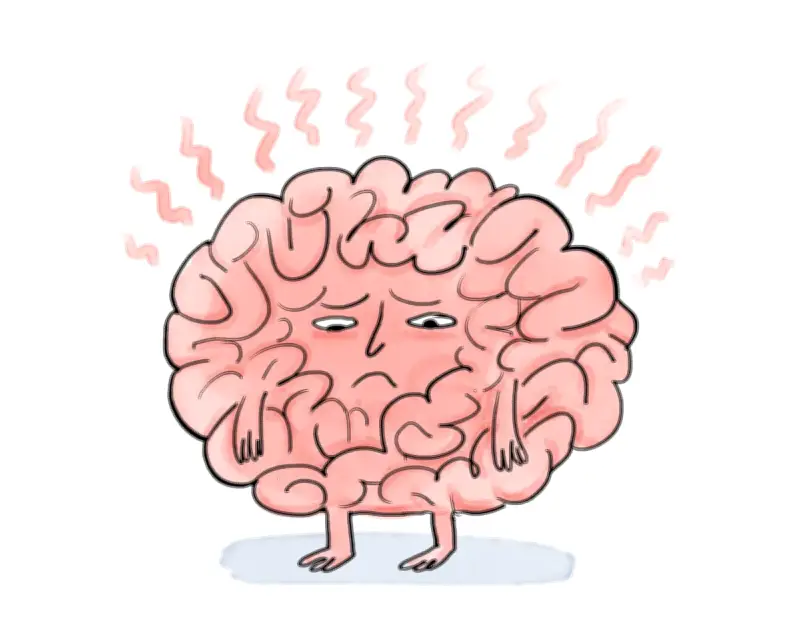
Inflammation is increasingly recognised as a factor in mental health conditions such as depression, but the evidence does not yet show that reducing inflammation alone can treat them, according to a review of research.
What the research finds
The review, published in the journal Molecular Psychiatry, examined studies on the link between inflammation and mental health. It found that people with depression often have higher levels of inflammatory markers in their blood, such as C-reactive protein and cytokines.
However, the authors caution that this association does not prove causation. Inflammation may be a consequence of depression, or both may be driven by other factors such as stress, poor diet, or lack of sleep.

Implications for treatment
Some studies have suggested that anti-inflammatory drugs, such as aspirin or statins, could help treat depression, but the review concludes that the evidence is not yet strong enough to recommend them as a standard treatment.
Instead, the researchers suggest that lifestyle interventions known to reduce inflammation—such as exercise, a healthy diet, and stress management—may be beneficial for mental health, but more research is needed to confirm their effectiveness.
The review highlights the need for further studies to understand the complex relationship between the immune system and the brain, and to identify which patients might benefit from anti-inflammatory treatments.