
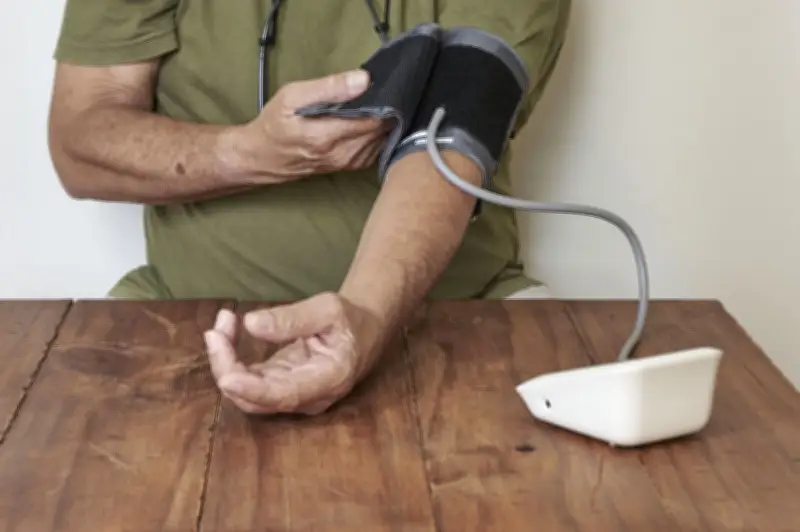
Brits living with high blood pressure may be able to claim a benefit from the Department for Work and Pensions (DWP) worth up to £194.60 a week if they meet certain eligibility criteria. High blood pressure, also known as hypertension, is very common, particularly in older adults, and "can lead to serious problems like heart attacks or strokes", the NHS website explains. "There are usually no symptoms, so you may not realise you have it," it adds.
The condition is often referred to as a "silent killer" because people frequently do not know they have it until it leads to other serious health problems. Research by the University of Oxford, released in September, found that most people in England living with high blood pressure are not aware they have it, which puts them at increased risk of suffering strokes, heart attacks, and premature death. In severe cases, however, it can cause symptoms including headaches, blurred vision, and chest pain, and can have considerable impacts on a person's ability to look after themselves.
How PIP Can Help
If the wider impacts of the condition or its treatment are affecting daily life or mobility, support may be available through Personal Independence Payment (PIP). PIP is a benefit that helps with extra living costs for those who have a long-term physical or mental health condition or disability, and who have difficulty doing certain everyday tasks or getting around because of the condition, the GOV.UK website explains. The difficulties must also be expected to last for at least 12 months from when they started.
PIP is not means tested, meaning it can be claimed regardless of income or assets. It comes in two parts: daily living and mobility. The daily living part is based on whether a person can do a range of household tasks like washing and cooking, while the mobility part is based on mobility and travel requirements.
Payment Rates and Totals
For the daily living part, the lower rate is £76.70 per week, while the enhanced rate is £114.60 per week. For the mobility part, the lower rate is £30.30 per week, and the enhanced rate is £80. This means a claimant would receive £194.60 per week in total if they meet eligibility for the higher rate in both England and Wales.
The enhanced rate for both parts comes to £778.40 every four weeks. Projected over 12 months at 2026/27 levels, it comes to £10,119.20 per year. However, rates are reviewed and often uprated annually, so the amount could be more over 12 months if both enhanced rates were granted now.
Claiming Across the UK
Northern Ireland has PIP, and though it is a devolved matter, the rules largely run in parallel with those in the rest of the UK. PIP has been replaced with the Adult Disability Payment (ADP) in Scotland, though it also has most of the same eligibility criteria. A person can be approved for PIP due to the impact of a wide range of health conditions, including hypertension.
As of July 31, 2026, there were 1,684 cases where hypertension was listed as the primary disabling condition for people with PIP entitlement awarded both the daily living component and the mobility component at the enhanced rate. Only 125 of those cases had had entitlement for between one and two years. There were thousands of other cases of people getting support at the standard rate.
It is estimated that around a third of adults in the UK have high blood pressure, meaning millions of people in the country have it. The proportion of people who have it and who have made a successful claim is therefore very small.
Eligibility and Assessment
A diagnosis does not automatically unlock the support, and a successful claim will depend on it being established that the effect on daily life and mobility makes a person eligible. This assessment is made by the DWP, informed by independent medical advice.
The benefit is available to people aged 16 and over and under State Pension age. Claimants will continue getting it beyond that point if they have an approved claim, but generally cannot make a new claim after reaching State Pension age. Follow-up reviews of eligibility by the DWP will take place, and claimants are required to inform the DWP if their condition improves. More information about eligibility and how the benefit works is available on the GOV.UK website.




