
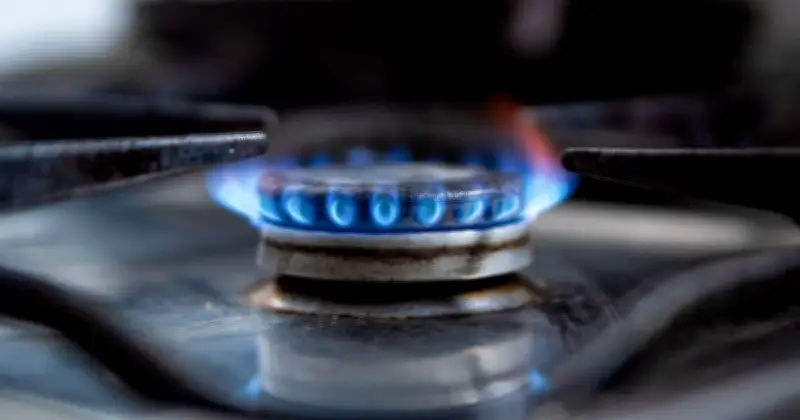
Households using gas hobs are being urged to properly ventilate their kitchens as colder December conditions lead more people to keep windows closed, increasing the risk of indoor air pollution.
According to Clean Air Hub UK, cooking with gas “releases air pollutants that harm human health and the environment.” The organisation warns that gas cookers are a major source of indoor air pollution and the main source of nitrogen dioxide pollution in the home.
Health Risks of Gas Cooking
Gas use in a typical kitchen can produce indoor nitrogen dioxide (NO2) pollution that exceeds World Health Organisation air quality guidelines, UK Health and Safety Executive limits for indoor air pollution, and legal UK outdoor air pollution standards. Gas cooking is linked to asthma in children and adults, decrements in pulmonary function, respiratory illness in adults, as well as dementia and cognitive decline in adults.
Gas hobs can produce carbon monoxide, carbon dioxide, and nitrogen dioxide, which can linger in the home. Gas cooking appliances can also leak pollutants when not in use, including methane (a potent greenhouse gas) and benzene (a known human carcinogen).
Effects and Safer Practices
Exposure to nitrogen dioxide causes various harmful effects on the lungs, including inflammation of the airways, reduced lung function, and increased asthma attacks and symptoms such as coughing and wheezing, especially in children. There is growing evidence that pollutants from gas cooking can negatively impact adults, including the brain, respiratory, and nervous systems.
Research suggests that the impact of gas cooking on the burden of childhood asthma is comparable to that of second-hand smoke. Gas cooking appliances and the concentration of nitrogen dioxide during the first three months of life have also been linked to impaired memory and verbal development and a higher risk of ADHD symptoms in toddlers.
For those still cooking with gas, Clean Air Hub UK advises ventilating the kitchen when cooking, preferably with a functioning range hood vented to the outside, by mechanical ventilation, or by opening windows. It also recommends considering switching to an electric appliance when possible, servicing gas appliances once a year, and installing carbon monoxide detectors in kitchens and nearby rooms.
Use as much ventilation as possible during and at least 10 minutes after using a gas appliance, including opening windows to create a through-draught to help disperse the pollution. If the appliance includes a fan, ensure it is clean, well-maintained, and has an outdoor vent. Minimise exposure to gas cooking emissions using plug-in appliances, such as an electric kettle, microwave, rice cooker, or air fryer.




