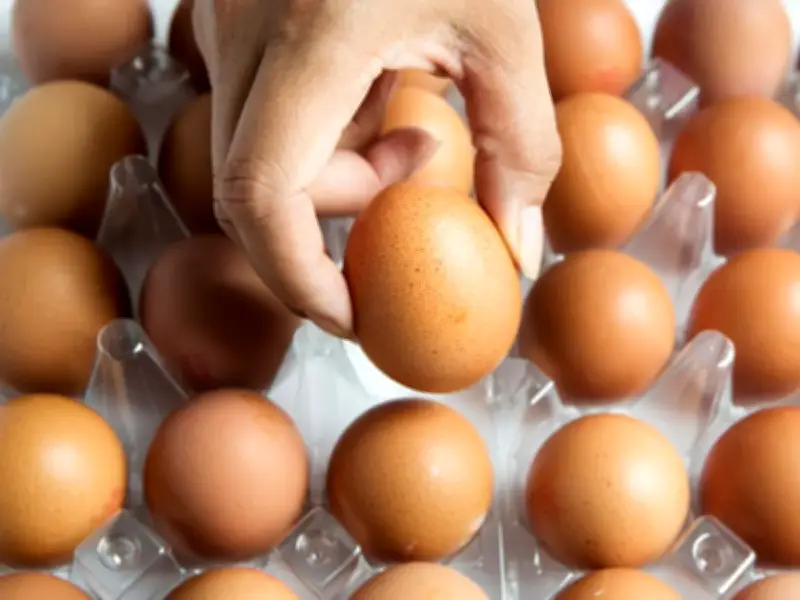
The Food Standards Agency (FSA) has issued a statement following a major outbreak of salmonella, with one person dead and hundreds ill. The UK Health Security Agency (UKHSA) has confirmed the outbreak “may be linked to eggs imported from outside of the UK”.
At least 207 cases have been confirmed between August 11 last year and August 1 this year – 199 in England, six in Scotland, one in Wales and one in Northern Ireland. More than a third of those affected were admitted to hospital, and two people developed potentially life-threatening blood stream infections.
Advice on Handling and Cooking Eggs
The FSA said there is no evidence that UK-produced eggs are impacted. They are working closely with the UKHSA to investigate the outbreak. Jacquelyn McCormick, Head of Incidents at the FSA, said: “We are working closely with the UK Health Security Agency and other partners to investigate an outbreak of Salmonella Enteritidis.

“The exact cause has not yet been identified, however investigations so far have identified links to eggs imported from outside the UK, mainly used by food service and catering establishments such as restaurants or cafes, as a potential source. There is no evidence that UK-produced eggs are affected.
“While investigations continue, our advice around eating eggs remains the same. Eggs which are thoroughly cooked and handled hygienically should not present a food safety risk.
“Infants, young children, pregnant people and older adults should only eat runny or raw eggs if they have a British Lion mark or are produced under the Laid in Britain egg assurance scheme. This advice does not apply to those who are severely immunocompromised and require medically supervised diets.
“We continue to advise people who are handling eggs, eggshells or egg packaging to always wash their hands thoroughly with warm water and soap and dry them properly afterwards.”
Symptoms and When to Seek Help
Salmonellosis is often caused by eating or handling contaminated food and can be spread rarely from person-to-person. Salmonella generally causes a mild illness, although vulnerable groups with weakened immune systems may experience more severe illness.
Symptoms typically start within a few hours or days of eating food which caused the infection, however some symptoms do not start for a few weeks. According to the NHS, symptoms include feeling sick or being sick, diarrhoea, stomach pain, high temperature, and feeling generally unwell.
Anyone who is concerned about symptoms should contact their GP or out of hours service in the first instance.