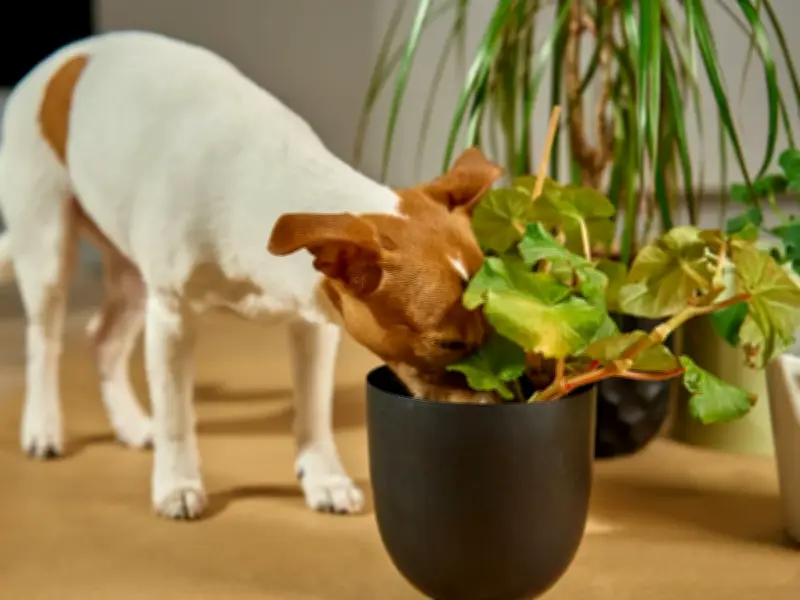
Veterinary experts are urging pet owners to reconsider bringing popular houseplants into their homes this autumn and winter, as some can make dogs seriously ill. With shorter daylight hours, households are spending more time indoors, increasing the chance for curious pets to investigate plants.
Agria Pet Insurance has identified which popular houseplants can be dangerous for dogs and shared emergency advice. The warning comes as many people bring more plants and seasonal flora indoors for decoration, especially at Christmas, sometimes receiving them as gifts.
Most dangerous plants for dogs
The sago palm is highlighted as one of the most dangerous houseplants for dogs. If ingested, it can cause sickness, diarrhoea, weakness, and liver damage, and in severe cases can be life-threatening.
Amaryllis (Hippeastrum), a popular festive plant, is also very toxic to dogs. Signs include an upset stomach, hyperactivity, lethargy, and shock, and it could potentially result in a coma.
The Araceae family and other toxic plants
Four common houseplants belong to the Araceae family, all of which can cause similar problems if chewed or ingested: peace lily, dumb cane, philodendron, and ZZ plant. When bitten, they release sharp insoluble oxalate crystals that damage cells in the mouth on contact. Enzymes released at the same time can trigger inflammatory reactions.
Symptoms to watch for include burning or sore mouth, heavy drooling, difficulty swallowing, loss of appetite, vomiting, irritation, and breathing difficulties.
Other common houseplants that can affect a dog's health if chewed or eaten include:
- Aloe vera: sickness, diarrhoea, tiredness, stomach cramps, tremors, and a change in urine colour
- English ivy: skin irritation, upset stomach, drooling
- Snake plant: sickness and diarrhoea
While the impact from these plants is generally milder for pets, Agria advises owners to seek veterinary advice if dogs ingest any of them.
How to make your home safer for your dog
Check the names of all plants you own to establish whether they are safe for pets. Keep potentially harmful plants out of reach, and collect and dispose of any fallen leaves before dogs can pick them up.
Supervise pets around any new plants, particularly puppies and dogs prone to chewing and exploring with their mouths. Seek veterinary advice promptly if you suspect your dog might have eaten a toxic plant. For highly poisonous varieties, such as the sago palm, it's safest not to keep them in the home at all.
If a pet eats a toxic houseplant, expert veterinary advice is to gently remove any plant material left in the pet's mouth, try to identify the plant, take a photo or a sample to show the vet, and do not try to make the pet sick. Look out for symptoms such as repeated vomiting, weakness, trouble breathing, or collapse.
Lars Mortensen, Head Veterinarian at Agria App, said: "Dogs can be curious creatures, with many exploring with their mouths. For some pet owners, houseplants aren't something they think of as a danger to their pet, but unfortunately, some popular ones can be just that."
"All pet owners need to research the type of plant that they're bringing into their homes to ensure their pets' safety. Plants such as spider plants, money trees, or a Boston fern can be safe for dogs. However, we would always recommend contacting your vet if your pet has ingested anything and proceeds to show symptoms such as drooling, vomiting, diarrhoea, or lethargy."