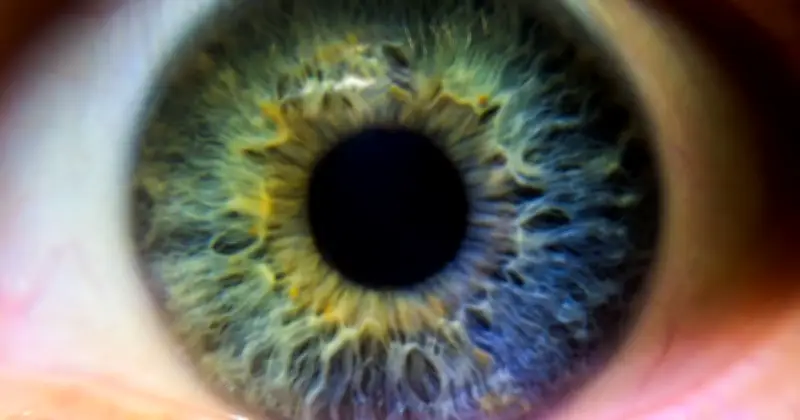
The College of Optometrists is predicting a sharp rise in serious eye conditions over the next 10 years, with age-related macular degeneration cases expected to increase by 24%, glaucoma by 16% and vision-impairing cataracts by 17%.
The alert comes as research reveals 43% of adults report eye problems, up from 35% last year. One driver is the rise in Type 2 diabetes because, over time, high blood sugar damages tiny veins at the back of the eye.
Diabetes and ageing population
GP Dr Nisa Aslam says: “Anyone with diabetes is advised to have regular eye checks to pick up the early signs of a problem. However, it’s estimated that 1.3 million people could have the condition but not realise their health and vision are at risk.
“Signs you may have a problem include blurred vision, trouble seeing colours, difficulty seeing things in dark or low light and floaters, which are spots or lines in your vision.”
Britain’s ageing population is another factor because our vision deteriorates as we get older, with short-sightedness, blurred vision caused by changes in the eye’s shape – known as refractive errors – and cataracts all becoming more common.
Diet and lifestyle choices
The research, commissioned by MacuShield, found 63% of those surveyed noticed their vision declining with age and 71% thought this was inevitable. Public health nutritionist Dr Emma Derbyshire says: “This is where so many people are going wrong because you can actually do a lot to support your eyes as they age, by having the right nutrition. Lifestyle choices, such as keeping active and not smoking can also make a big difference.”
The research found three in five people believe a healthy diet can protect their eyesight, but two in five are not sure what they should be eating to support their ocular health, although more than half thought crunching carrots was a good idea.
Carrots, omega-3 and chocolate
Dr Aslam says: “The enduring belief that carrots improve vision is a testament to the propaganda skills of Winston Churchill’s wartime government. Yes, carrots are a good source of vitamin A, which is important to vision, and yes, a deficiency can lead to a loss of night vision. But these grains of truth were woven into an impressive communications campaign to explain the success of Britain’s Second World War pilots and mask the fact that Bletchley Park code-breakers had cracked the Nazi’s Enigma machine.”
Dr Derbyshire says: “Docosahexaenoic acid – DHA – one of the long-chain omega-3 fatty acids, is beneficial for our eyes, particularly as the cell membranes of the retina contain a high concentration of DHA.” But the new data shows only one in three people is aware of the importance of omega-3 and the National Diet and Nutrition Survey shows most people don’t eat the recommended two portions of oily fish, such as mackerel and sardines, needed to ensure adequate intakes of omega-3.
Clinical nutritionist Suzie Sawyer warns: “DHA is not only important for eye health but many other mechanisms in the body. An intake of 250mg of DHA daily can help to maintain normal vision, but with so few Brits aware of this nutrient, it could be the case that many aren’t hitting this quota.”
The MacuShield research also found that 10% of adults believe eating chocolate could support eye health – and so long as you stick to dark chocolate there is some truth to this suggestion. Optometrist Francesca Marchetti says: “Cocoa and dark chocolate contain antioxidant polyphenols which help reduce blood pressure and improve blood flow to the eyes and brain. Antioxidants are important for eye health and studies show dark chocolate may improve visual contrast sensitivity, which is the ability to see differences between objects and their backgrounds.”
A recent trial showed eating dark chocolate may lead to short-term beneficial effects in the retina around improved blood flow. Francesca adds: “This was only a short term effect and as chocolate is quite high in sugar and fat it’s not a strategy I’d recommend for long-term eye health, but a little of what you like won’t hurt.”
Macular carotenoids and supplements
The plant pigments lutein, zeaxanthin and meso-zeaxanthin are so good for sight they are known as macular carotenoids. Francesca says: “These nutrients are found in high concentrations at the macula, which is a part of the eye responsible for clear central vision. Yet the new data shows only one in five people is aware of the importance of macular carotenoids for eye health.”
A systematic review and meta-analysis concluded that daily intakes of at least 10mg are needed to improve macular pigment optical density, a recognised measure of eye health. But the average European diet has only around 3mg and very few foods contain meso-zeaxanthin, so our body has to convert it from lutein. MacuShield Original+ provides 10mg of lutein, 10mg of meso-zeaxanthin and 2mg of zeaxanthin, along with vitamin B2, which helps to maintain normal vision.
Francesca says: “Macular pigment optical density has also been shown to filter blue light and reduce inflammation and oxidative stress in the eye, which suggests these nutrients could be particularly beneficial to people who clock up a lot of screen time.”
Green leafy vegetables are a good source of both lutein and zeaxanthin and zeaxanthin is also found in yellow and orange fruits and vegetables, but nutritionist Suzie advises: “These nutrients are better to be eaten with a little fat to aid absorption, so be sure to add an oil-based dressing to salads, or a little butter to cooked green vegetables, to maximise bioavailability and uptake.” Dr Derbyshire adds: “To increase the bioavailability of lutein, lightly boil, steam or microwave vegetables, as excessively cooking these vegetables could actually reduce the amount of lutein absorbed by the body.”
Exercise and stress
Nutritionist Suzie says: “Data from the National Diet and Nutrition Survey shows that fewer than one in five adults is eating the recommended five portions of fruit and vegetables, and many don’t eat enough oily fish, so there will be a lot of people who aren’t getting adequate intakes of eye-friendly nutrients such as the macular carotenoids and omega-3.” If you want to help protect your vision – and 84% of people worry about the impact of deteriorating sight – Suzie advises taking a supplement that is specifically designed to support vision, such as MacuShield Original+ Omega-3.
Exercise is not only good for your health, some experts believe it’s good for your vision, too. They argue that anything that improves cardiovascular health and blood flow to the eye could help to head off problems, and studies in older adults show that reduced activity and impaired vision often go hand in hand. “It certainly won’t hurt and it could well help,” says optometrist Francesca. The 20-20-20 rule is also important, particularly if you spend a lot of time looking at a screen. “Every 20 minutes, take a break to look away for 20 seconds, ideally at something 20 metres away. It’s such a small thing, but it can make a huge difference to the feel of your eyes.”
It’s telling that nine out of 10 people believe stress takes a toll on their sight – and they’re right. A German study reported “continuous stress and elevated cortisol levels negatively impact the eye and brain” and suggested that meditation and other relaxation techniques could help to head off problems. Dr Aslam adds: “Stress can trigger eye dryness, and it can also increase tension in the muscles around your eyes and reduce tear production. Simple five-minute breathing exercises, a short walk, yoga or listening to music can help to reduce stress.”