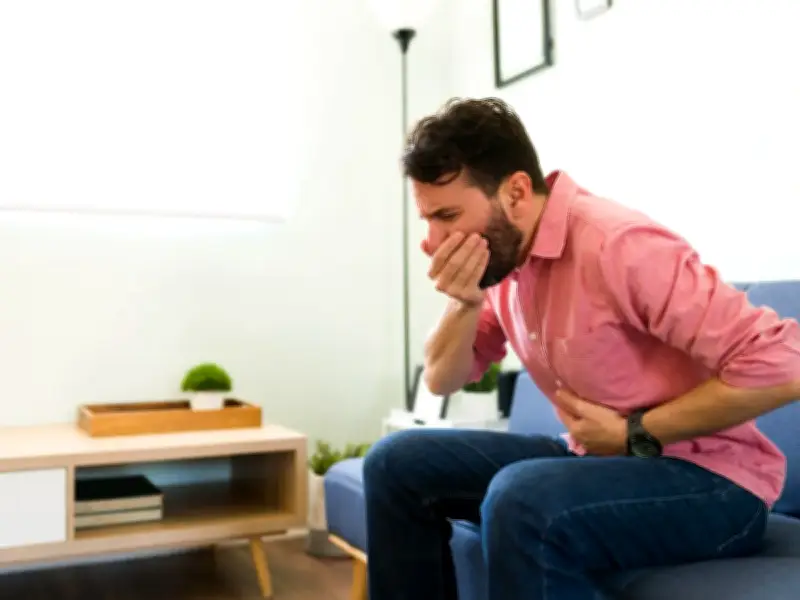
A drug-resistant sexually transmitted form of the diarrhoea disease shigellosis is spreading rapidly across the UK, according to scientists tracking the bug. A recently published paper states that the illness is “on the rise”.
The same researchers also claim that many of the bugs tested appear to be resistant to medication, meaning the disease is very hard to treat.
Symptoms and spread
As well as severe diarrhoea, symptoms for shigellosis include stomach cramps, fever, nausea and pain passing stool. It has been known to be fatal in extremely rare cases, although this is rare and normally with patients who suffer from pre-existing medical conditions.
In a paper published by Infectious Diseases expert Julia Marshall, the study described how the spread of the sexually transmitted version of the bug was happening “more rapidly” and “more intensely” than other versions of the disease, with rates of transmission highest between men who have sex with men.
How it is passed on
While normally the bug can be avoided by doing things like washing hands and upkeeping “food hygiene”, the paper also warned that this new STD version is harder to fight against as it is passed through poo.
According to the NHS: “Sex that may involve contact with faeces (poo) can cause shigella to be passed on. This includes anal sex, oral sex which involves licking the anus (rimming), fisting, touching a condom or sex toy that’s been used for anal sex, or having oral sex after anal sex”.
Warnings and advice
In a foreboding message, the paper warns: “In the coming years, it is likely that the spread of sexually transmissible drug-resistant shigellosis will increase.”
The paper questions what is causing the worrying rise, warning that people having sex while travelling the globe could be boosting numbers. The study recommends that in order to successfully protect “public health”, the role of “local and international travel in spreading” the bug should be looked into further.
According to the NHS, you should contact your GP if you have symptoms of the shigella bug, or if you have diarrhoea that contains blood. They also say to contact your local sexual health service if you have symptoms of shigella and you think it was passed on during sex.