The UK Health Security Agency (UKHSA) has issued the first cold-health alert of the winter for the North West and West Midlands, in effect from 9am on Thursday until midday on Saturday. A blast of Arctic air is sweeping the UK, with temperatures expected to be at -5C, if not lower. Sleet and snow will be possible in some far northern locations with strong wind gusts causing bitter conditions.
How cold air affects the lungs
Dr Matt Swallow, clinical lead at Asthma + Lung UK, explains that cold, dry air can irritate and inflame the airways. “Normally when you breathe in through your nose, it warms up the air and slightly humidifies it. However, when the weather is cold you breathe in cold, dry air that can cause irritation and inflammation in the lungs,” he says.
That irritation can cause the airways to narrow or constrict and can cause symptoms such as coughing, wheezing, breathlessness, chest tightness or increased mucus production. Winter also brings an increased circulation of respiratory viruses like influenza, respiratory syncytial virus (RSV), Covid-19 and common cold viruses.
“Flu, influenza, in particular appears to survive and remain infectious for longer in cold conditions,” says Dr Swallow. These respiratory viruses can trigger flare-ups of underlying lung conditions.
Who is most at risk
People with pre-existing lung conditions such as asthma or chronic obstructive pulmonary disease (COPD) are much more likely to experience an increase in symptoms such as wheezing, chest tightness and shortness of breath. Older adults, smokers, those who are very young, people with weakened immune systems, or those with conditions like heart disease or diabetes, can also be more at risk.
Protecting your lungs in cold weather
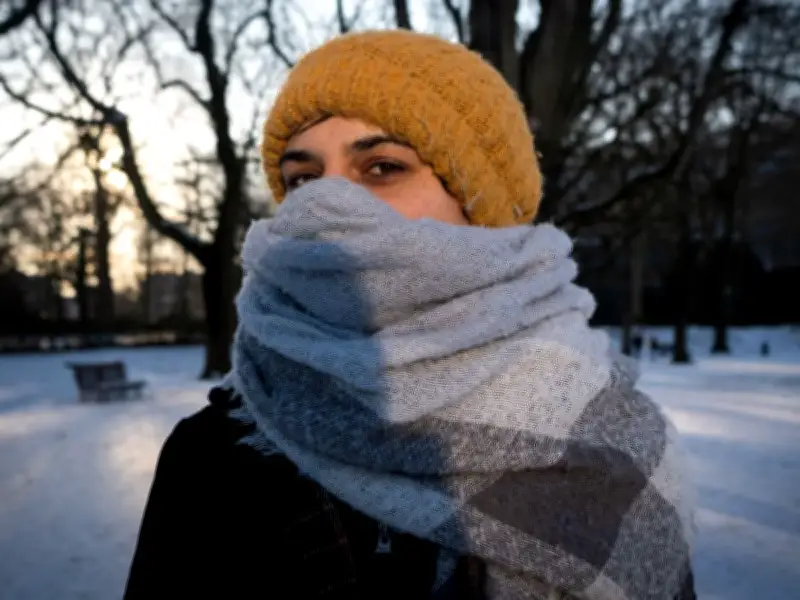
Dr Swallow advises wearing a scarf over the mouth and nose when it is cold, as it acts like a heat exchanger and helps to warm and humidify the air before it reaches the lungs. For most people it is still safe to exercise outdoors, but the key advice is to warm up gradually and cover the mouth and nose with a scarf if comfortable. He advises avoiding intense exercise in really cold conditions.
Getting vaccinated is one of the most effective ways to reduce the likelihood of having severe respiratory illness in the winter. “The eligibility for different vaccinations does vary, but just make sure you access the vaccinations that you are invited for and are eligible for,” says Dr Swallow.
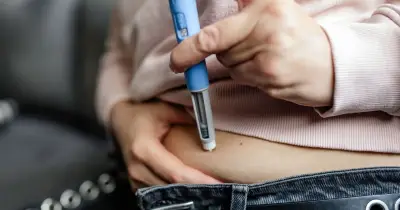
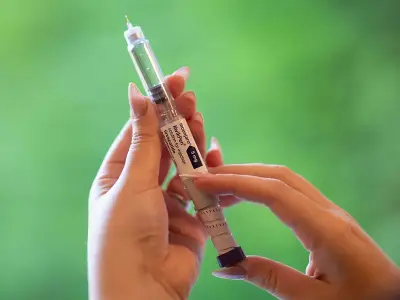
Inhalers have a positive effect on reducing inflammation over time but do take time to work, so it is important to take medications regularly as prescribed. Dr Swallow advises people to follow the treatment advice in their personalised asthma action plan or COPD self-management plan, and to carry reliever medication everywhere.
When to seek urgent help
Any change in symptoms or worsening of symptoms should prompt a visit to a healthcare professional. Warning signs include increased breathlessness, new wheezing, increased sputum volume, a colour change in the sputum, having a fever, reduced ability to do normal activities, or a change from baseline.
If someone is really struggling to breathe, struggles to talk in full sentences, is getting tired and exhausted because of their breathing, or feels drowsy or very unwell, these are indicators for urgent help and you need to call 999 for an ambulance. “Early treatment can often prevent things worsening and can prevent hospital admissions and more serious illness,” says Dr Swallow.
Discussing the cold-health alert, Dr Anya Gopfert, consultant in public health at UKHSA, said: “This is the first cold-health alert of the winter, but we can expect more as we move further into the season. Cold weather can have a serious impact on the health of some people, including those aged 65 and over and those with pre-existing health conditions, so it is vital to check in on friends, family and neighbours who are most vulnerable. We’re also reminding people to take simple steps to stay warm and look after their health as temperatures begin to fall. Keeping homes heated where possible and dressing warmly can help people stay safe and well during colder weather.”