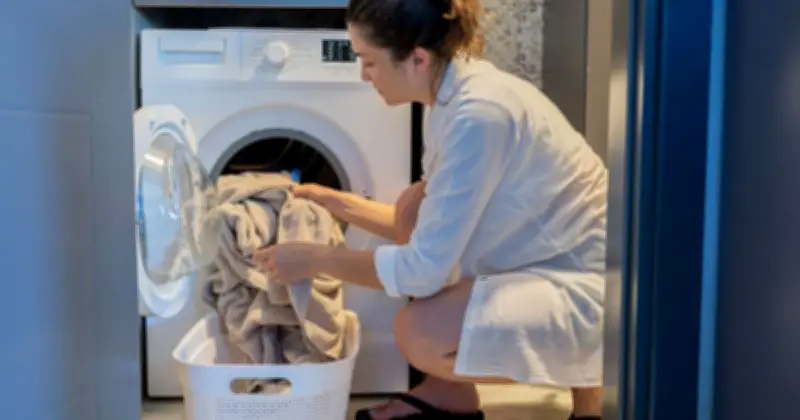
As the colder months approach, households without outdoor space face the annual challenge of drying laundry indoors without creating dampness and mould. A dehumidifier can offer a cheaper alternative to a tumble dryer, helping clothes dry faster by removing moisture from the air as it evaporates from the fabric.
How a dehumidifier helps
For smaller households that do less laundry, or those without room for a tumble dryer, a dehumidifier can speed up the drying process. It is particularly useful when drying clothes indoors, where damp air has less opportunity to escape. Consumer group Which? said: "If you have damp or mould issues, poorly vented bathrooms, and don’t want to exacerbate things by drying clothes indoors, then kill all these birds with one stone and go for a dehumidifier."
Cost comparison
Dehumidifiers are generally cheaper to buy than tumble dryers. Which?'s Best Buy models start at around £150, while condenser and vented dryers typically start at around £220-£250. Running costs also differ: a 2,000W tumble dryer could cost around 53p an hour to run, compared with around 13p an hour for a 500W dehumidifier.
Heat pump tumble dryers are more energy efficient but considerably more expensive to buy, with prices starting at around £420. An 800W model could cost just 21p an hour to run. However, Which? noted that for large loads of laundry that would require multiple uses of a heated clothes airer, tumble drying is still likely to be the cheaper option.
Two main types
There are two main types of dehumidifier. Refrigerant models cool the air, causing moisture to condense into water, which is collected in a tank. Desiccant models use an absorbent material to pull moisture from the air, and tend to work more effectively in colder temperatures.