
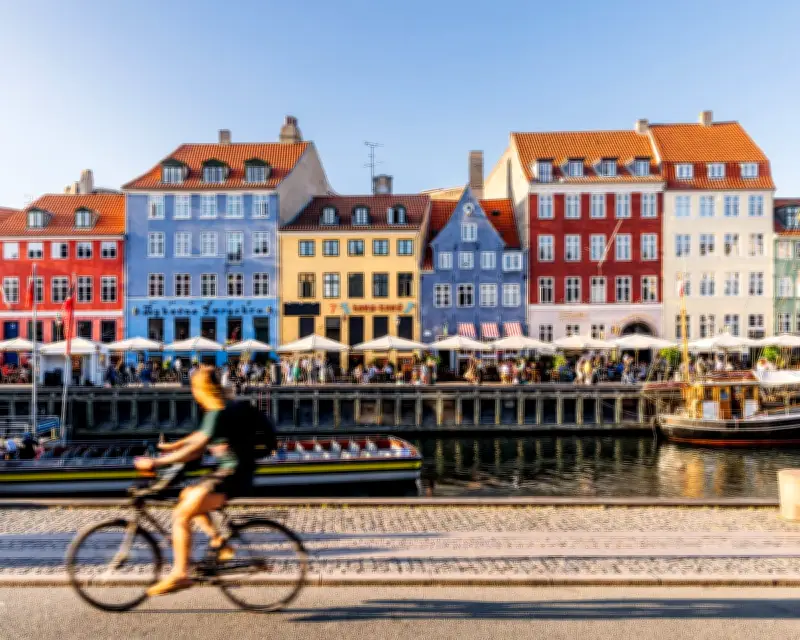
Copenhagen's food scene has evolved dramatically over the past two decades, driven by the principles of the New Nordic Kitchen manifesto and the influence of Noma. The city now boasts 30 Michelin stars and a reputation for seasonal, sustainable cuisine.
From Canned Food to Culinary Capital
In the 1970s and 1980s, Danish cuisine relied heavily on canned goods, frozen vegetables, pork, potatoes, smørrebrød, and hot dogs from pølservogne. The turning point came in 1996 when Copenhagen was named European Capital of Culture, followed by the opening of Noma in 2003 by chefs René Redzepi and Claus Meyer. Noma rejected Mediterranean influences in favor of local, foraged Nordic ingredients.
The New Nordic Kitchen Manifesto
In 2004, Redzepi and Meyer convened chefs to create the New Nordic Kitchen manifesto, emphasizing purity, freshness, simplicity, and ethics. The manifesto promoted local ingredients and Nordic producers, influencing chefs globally and elevating Copenhagen's dining scene.
Noma's Legacy and Challenges
Noma normalized seasonality and foraging in fine dining, but Redzepi faced allegations of bullying and resigned in March 2024. Despite this, Noma alumni now lead many Copenhagen restaurants, including Propaganda (Youra Kim), Kødbyens Fiskebar (Anders Selmer), and Bæst (Christian Puglisi).
Modern Copenhagen Dining
Today, Copenhagen restaurants focus on quality ingredients, cutlery, and service. Bookings are essential weeks in advance. While dining out is expensive, bakeries offer affordable options. The city's relaxed, bike-friendly atmosphere complements its hyper-local, climate-conscious menus.
Travel Tips for Visitors
Accommodation ranges from the stylish Kong Arthur Hotel (from £202 per night) to budget-friendly Next House (from £138). Activities include cycling the Harbour Circle Route, swimming at free floating pools like Islands Brygge Harbour Bath, and foraging in Amager Strand using the VildeMad app. The CopenPay initiative rewards climate-friendly actions with perks. Shopping highlights include vintage stores in Nørrebro and the independent grocer Alma. Must-visit attractions include Tivoli Gardens, the art exhibitions at Arken and Cisternerne, and the Coastal Route train line to Louisiana Museum or Helsingør.




