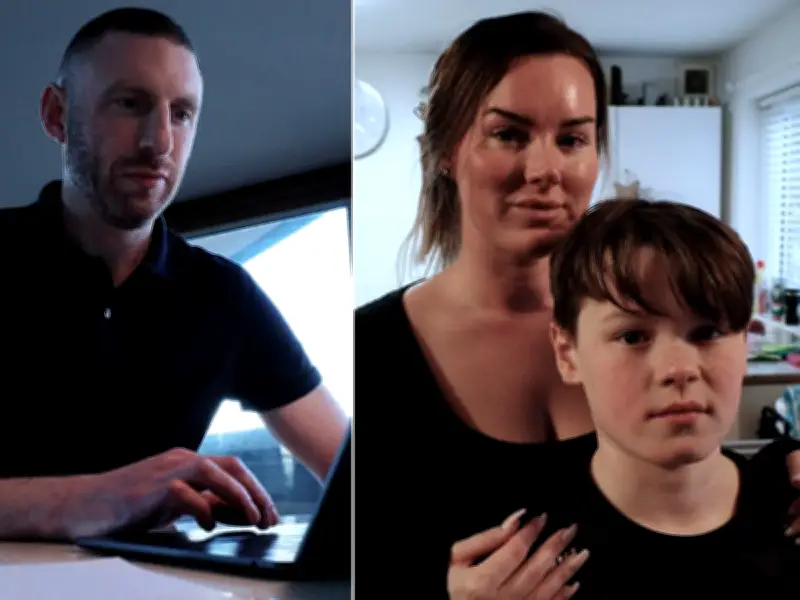
Channel 4's documentary The Great ADHD Myth? has sparked widespread backlash, with viewers branding it “shameful and dangerous” and regulator Ofcom reportedly receiving over 1,000 complaints since it aired on Tuesday night. Full complaint figures are expected next week.
Survey reveals widespread criticism
According to a survey conducted by charity ADHD UK, which drew 2,032 responses, 94% of respondents believed the programme was unfair, while 80% felt it would discourage people with symptoms from seeking an ADHD assessment. The survey also found that 91% of respondents said their trust in Channel 4 had decreased, and 84% felt it was irresponsible for a broadcaster to film a 10-year-old stopping his ADHD medication for television.
Many viewers who responded to the ADHD UK questionnaire reported that family members were now questioning their ADHD diagnosis. One respondent said: “Family members using it against me - pressure to stop medication.” Another, aged 63, said their family was now questioning their diagnosis.

Emotional impact on viewers
Viewers described feeling “sad and invalidated” after watching the documentary. One viewer said: “It made me feel sad and invalidated, because ADHD is a very real part of my life and the programme made me feel like my experiences could be dismissed as a myth.” Another added: “I have come away feeling anxious, sad, invalidated and questioning myself all over again after years of research and struggle.”
Several respondents said they would now hide their ADHD diagnosis. One female viewer said: “Just started on meds and getting more confident about being honest with people. Was hoping to tell my employer. Heard people laughing about ADHD in the staff room after watching the documentary and now feel too embarrassed.” Another adult respondent said: “I can confidently say I will not ever be revealing I've got ADHD to any future employer for this reason, just in case.”
Documentary's experiment and criticism
The programme, fronted by NHS psychiatrist Dr Max Pemberton, aimed to argue that ADHD was a “social construct” rather than a neurodevelopmental condition. It featured an experiment where a 10-year-old boy named Mason was taken off his medication for six weeks. At the end of the documentary, it was revealed that shortly after filming ended, his mother put him back on medication due to a dramatic deterioration in his schoolwork. One viewer complained: “Interesting that they literally hid the results of the 'experiment' in the end credits, directly after Dr Max Pemberton said he thinks ADHD is not a medical condition.”
Dr Pemberton explained his intention was to explore why ADHD was being “wildly over-diagnosed,” a theory he set out in an article for The Spectator 18 months ago. He said: “There's no doubt that the people seeking these diagnoses are genuinely struggling; that isn't in question. What the film asks is whether ADHD is really the best explanation for that struggle - my hope is that we come away with permission to ask better questions about what modern life is doing to all of us.”
Channel 4 defends programme
Defending the documentary, Channel 4 said it had “a remit to stimulate public debate and challenge the status quo.” A statement added: “There is considerable public debate in this area and testing conventional thinking and exploring different ideas, as is the case with The ADHD Myth? is a legitimate part of Channel 4's remit. This documentary does not deny the lived experience of those diagnosed with ADHD, but does present the view of an extensive range of senior medical experts - many of whom work or have worked with the NHS or have held presidential roles at professional membership bodies - who seek to question the conventional understanding of ADHD and if it is a neurodevelopmental condition. They also ask whether modern living has contributed to a rise in diagnoses, and whether there may be better alternatives for some children than medication.”