A British doctor who tested positive for Ebola while working in the Democratic Republic of the Congo (DRC) has returned to the UK for specialist treatment at a London hospital, the Department of Health and Social Care has said.
The doctor is being cared for in an isolation unit at the Royal Free Hospital, according to the Government department.
Medical evacuation and background
The medical doctor was brought to the UK on a medical evacuation flight, in a joint effort between the UK and DRC governments and their international health partners.
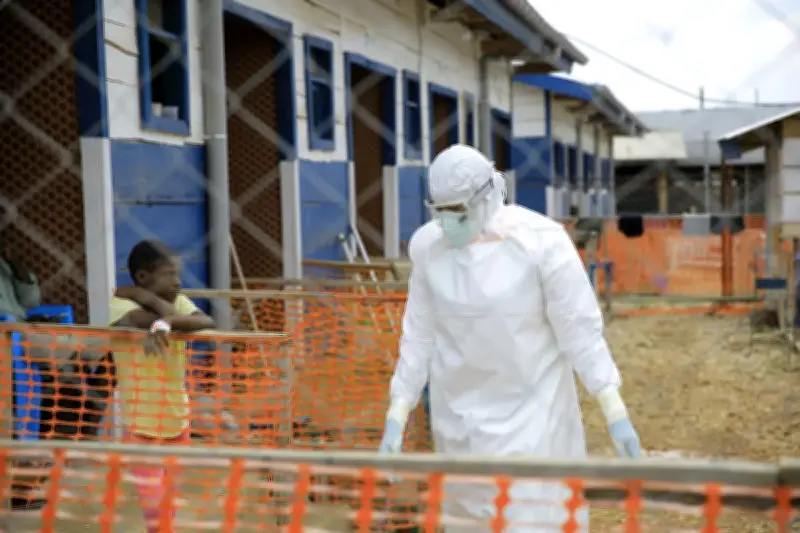
They were thought to be working on an Ebola outbreak in DRC, central Africa, which figures published on the UN website show has led to more than 5,100 deaths.
Ebola has a high fatality rate, with past outbreaks causing death in 25%-90% of infected people. People with the disease tend to fall ill two to 21 days after contact with an orthoebolavirus.
Early symptoms include fever, aches, pains and fatigue, but they can then progress to diarrhoea, vomiting and unexplained bleeding.
Expert reassurances and hospital facilities
Dr Renu Bindra, deputy director of the All Hazards Public Health Response team at the UK Health Security Agency (UKHSA), said: “UKHSA and the NHS have well-established and robust infection prevention and control protocols to limit the risk of onward transmission, and the risk to the wider public remains low.”
Professor Emma Thomson, director of the MRC-University of Glasgow Centre for Virus Research, said: “The UK is extremely well prepared to care for patients with Ebola.”
Dr Damien Tully, an expert in infectious disease from the London School of Hygiene & Tropical Medicine, said: “The infection of a British healthcare worker with Ebola is deeply concerning, but it is not entirely unexpected.”
There have only been four confirmed cases of the virus in the UK previously – one, in 1976, resulting from a laboratory needle incident, and three involving health workers who were responding to an outbreak in west Africa between 2014 and 2015.
The Royal Free Hospital has a high-level isolation unit run by a dedicated team of doctors, nurses and laboratory staff. The team has previously treated adult patients with Lassa fever, Ebola and Crimean Congo haemorrhagic fever.
Access to the unit is restricted. It includes a special tent with controlled ventilation that still allows care to be provided by NHS staff. All the air leaving the unit is cleaned so there is no risk to anyone inside or outside of the hospital.