The British Heart Foundation has published eight easy food swaps designed to help lower cholesterol. Cholesterol is a natural fatty substance produced in the liver, though it can also be found in some foods. While the body needs some cholesterol to stay healthy, too much can narrow the arteries and cause fatty material to build up, a condition known as atherosclerosis. Left untreated, this could lead to a medical emergency such as a heart attack or a stroke.
As with many health conditions, the risk of high cholesterol increases with age. One of the most effective ways to lower cholesterol is to reduce intake of saturated fats, which are found in foods such as fatty meats, full-fat dairy, palm and coconut oil, as well as treats like biscuits, cakes, pastries and chocolate. Swapping these for foods rich in unsaturated fats and eating more fibre can make a significant difference to cholesterol levels.
The eight swaps recommended by the BHF
The British Heart Foundation's official guidelines state: "Unsaturated fats in foods like vegetable oils, nuts, seeds, avocado and oily fish are healthy fats that can help maintain healthy blood cholesterol levels. Try these swaps to help you reduce your saturated fat intake."
The eight recommended swaps are:
- Swapping butter for vegetable oil spreads like sunflower, olive or rapeseed oil spreads
- Switching whole milk to skimmed milk
- Using natural yoghurt instead of sour cream or double cream
- Replacing regular mince with leaner, lower-fat options
- Swapping red or processed meat for fish, turkey or chicken without the skin, or plant-based proteins such as lentils, soya or Quorn
- Switching crisps for unsalted nuts or seeds
- Using reduced-fat cheese instead of regular cheese
- Ordering fewer takeaways
Fibre and exercise also help
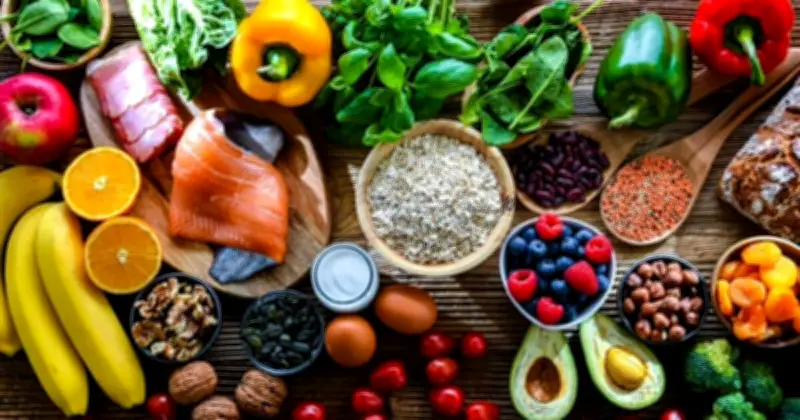
Eating foods high in fibre can also help lower cholesterol. Fibre reduces the amount of cholesterol absorbed into the bloodstream through the digestive system. Fibre intake can be increased by including wholegrains, fruit, vegetables, beans and lentils in the diet.
Eating at least five portions of fruit and vegetables a day, snacking on nuts and seeds, and replacing sugary cereals with wholegrain options or oats can all help cholesterol levels. Exercise also helps the body move bad cholesterol to the liver, where it can be removed from the system, and can help boost mood. This can be done by trying yoga or Pilates, taking the stairs instead of the lift, or doing a brisk walk instead of a slow one. The British Heart Foundation says two-minute bursts of jumping jacks several times a day can also help.