More than two million people across the UK depend on inhalers to manage respiratory conditions such as asthma and chronic obstructive pulmonary disease (COPD). As temperatures drop sharply, health professionals are urging those with respiratory conditions to take extra precautions.
The UK Health Security Agency (UKHSA) has issued its first yellow cold weather alert of the year. Jason Murphy, Head of Pharmacy at Chemist4U, has warned that the sudden drop in temperatures poses serious health risks, particularly for older people and those with pre-existing respiratory or cardiovascular conditions, who face an increased likelihood of heart attacks, strokes, and worsening breathing difficulties.
Cold weather can trigger asthma flare-ups
Jason said: "The UK Health Security Agency (UKHSA) issuing its first yellow cold weather alert marks the first real cold snap of the year. This can catch people off guard and can have a real impact on people's health, particularly if you are older or living with a respiratory or cardiovascular condition."
"During periods of extreme cold weather, heart attacks and strokes can become more likely as the cold causes blood vessels to narrow, increasing blood pressure and placing strain on the cardiovascular system. Respiratory infections and pneumonia are more likely during cold weather."
"The cold dry air can also aggravate existing breathing problems and lead to issues such as asthma flare ups. With temperatures set to significantly drop in the next 48 hours, it is important that people are aware of the steps you can take to protect yourself in the cold weather."
Keep medication close and stored properly
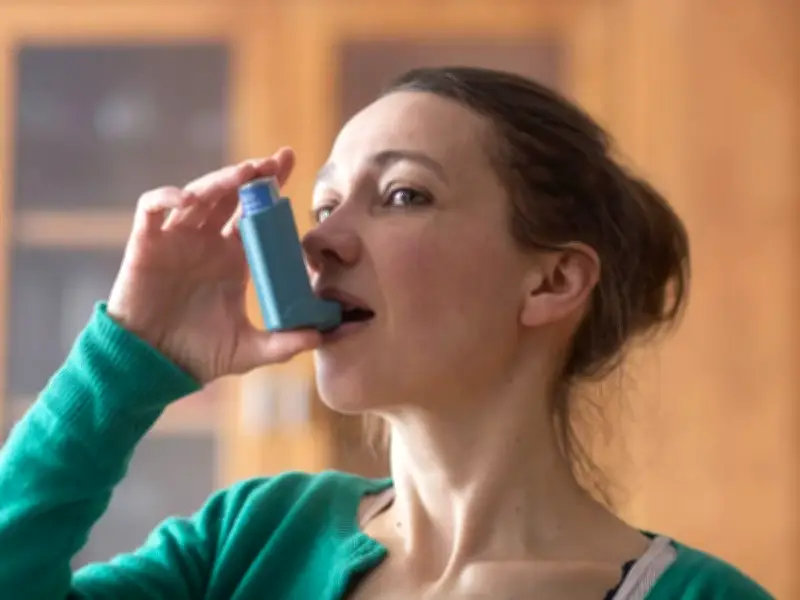
For those with breathing difficulties and respiratory conditions, cold air can pose a particular challenge. If you have been prescribed an inhaler, ensure it is kept close to hand at all times, Jason advises. Medicines must be stored under the correct conditions to remain effective. Check the packaging of any medication and ensure it is not left somewhere that becomes extremely cold overnight, such as inside a car.
If you are uncertain about the storage requirements for your medication, consult the patient leaflet or speak directly to your pharmacist. Salbutamol inhalers should be stored at room temperature (below 30°C / 25°C). It is also recommended to keep it away from frost and in a dry location, as set out in the Asthma + Lung UK Inhaler Care Guide.
Protect yourself from cold air and winter hazards
If you suffer from a respiratory condition or asthma, you may wish to cover your nose and mouth with a scarf when outdoors. Cold, dry air can be particularly uncomfortable and painful, so this will help you breathe warmer air when you need to venture outside, Jason explained. Using albuterol in cold and dry air is effective and is frequently recommended as a rescue or pre-treatment option. The Allergy and Asthma Network says: "Use a short-acting albuterol inhaler at the first sign of symptoms to keep asthma from worsening."
Jason said: "It may sound simple, but ensuring you stay warm both out and at home is crucial. Layer clothing rather than relying on one heavy coat, and remember that gloves, thick socks, and woolly hats can protect the areas that lose heat rapidly. At home, make sure you heat the rooms you use regularly; avoid sitting still in one place for long periods of time."
With the onset of colder weather, colds, flu and other respiratory illnesses tend to circulate far more frequently. Should you notice any symptoms, particularly if you are elderly or vulnerable, it is important to seek guidance from a healthcare professional. Jason advises that if these symptoms worsen and you experience chest pain, shortness of breath, or find an existing condition increasingly difficult to manage, you should call 999 immediately.
Jason said: "You may associate dehydration with a heatwave, but people may end up drinking less water when it is cold as they don't feel as thirsty." He suggests drinking water consistently throughout the day to ward off dehydration-related complaints such as headaches, fatigue, nausea and dizziness.
With icy conditions potentially making pavements treacherous, the likelihood of slips and falls rises considerably, particularly for older adults and those with limited mobility. Jason advises wearing footwear with a solid grip, taking your time rather than rushing, and making use of handrails wherever they are available.
When at home, take care when using hot water bottles to keep warm, Jason warns. Check them regularly for cracks, splits, or signs of wear before use, and avoid placing them directly against your skin, particularly while sleeping, as prolonged contact can result in burns.
Jason said: "This week may mark the first time you have put your heating on in a while and during cold weather. People naturally use their boilers more regularly and ventilate homes far less." He urges people to ensure their carbon monoxide alarm is functioning properly and to never disregard an alarm, as carbon monoxide is both invisible and odourless. If you don't have an alarm, make sure you get one installed in rooms containing fuel-burning appliances.
Jason added: "During the cold weather, it is important to take steps to protect yourself, with the risk of mild to severe health conditions increasing. Alongside this, make sure if you're checking in on a more vulnerable person, such as an elderly relative or neighbour, that you don't just ask whether they are cold."
"Pay particular attention to whether they seem tired, confused, are shivering or struggling with their speech. Someone becoming extremely cold can suffer from hypothermia, which is a medical emergency, and if you notice anyone experiencing these symptoms, you should seek urgent medical advice."