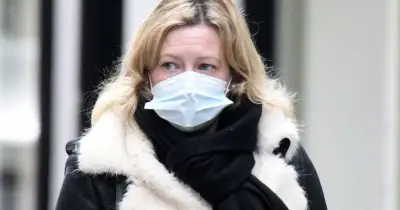
A new Covid strain dubbed "American Covid" is driving a sharp rise in UK cases, with hospital admissions spiking by 400 per cent and almost 5,000 patients now in hospital beds, according to the latest figures from health chiefs.
The surge is largely driven by the XFG variant, nicknamed "Stratus," which was first detected in the US and now accounts for more than half of all positive hospital tests across the country.
Cases skyrocket by 230 per cent
UK Health Security Agency (UKHSA) experts revealed Covid case numbers rose by 230 per cent in just four weeks, jumping from 1,374 to 4,589 as winter illnesses begin to take hold.
While scientists say the virus is generally less severe than during peak lockdown years, it continues to cause severe illness and deaths, especially among pensioners over 75 and those with weakened immune systems.
What is 'American Covid'?
XFG, also known as Stratus, is the most common Covid variant in North America, which has led to it being dubbed "American Covid," reports the Mirror. The strain now accounts for more than half of positive Covid tests in the UK, according to the latest figures.
UKHSA's Dr Alex Allen, a consultant epidemiologist, said: "The strains currently going around, including those known as XFG, are closely related to strains that have been with us for over a year, so this isn't something new."
Symptoms and steps to take
Like Covid, a blocked or runny nose, headache, high temperature, or shivering are signs to look out for. Hallmark symptoms of the new variant also include a persistent dry cough, fatigue or general tiredness, and a high temperature of 38C or above. It may present with more than half a dozen other signs, ranging from a scratchy, sore throat to bouts of diarrhea.
UKHSA says Covid symptoms have changed over time, with many people now experiencing cold-like symptoms. Those who fear they may have contracted the virus have been advised to take measures to avoid spreading it further. Brits have been asked to avoid contact with other people for at least five days, with anyone younger than 18 asked to wait at least three days. Anyone who tests positive should avoid meeting with anyone who has a weakened immune system for at least 10 days after the day the results came back. If a child has mild symptoms such as a runny nose, sore throat, or mild cough, and feels well enough, they can go to school or childcare.
Pandemic risk and vaccine advice
Experts said earlier this year that this particular strain shows we now have to 'coexist' with Covid, much like the common cold. Health officials are urging eligible people to get their Covid and flu vaccines ahead of the winter months, when respiratory viruses can circulate at high levels.
Alex Allen, consultant epidemiologist at the UKHSA, said: "While Covid-19 activity has shown some recent increases, cases remain at low levels in the UK. We're also not seeing any evidence that these are making people more ill or spreading faster than before, and this year's autumn vaccine has been specifically designed to protect against them."