North East Ambulance Service (NEAS) crews are using a "ten-second triage" system to rapidly prioritise life-saving care, following new figures showing a 25% jump in road traffic collisions in October. The approach was demonstrated at an event in Washington simulating a bus crash, where senior staff highlighted the dangers of poor weather and darker nights.
How ten-second triage works
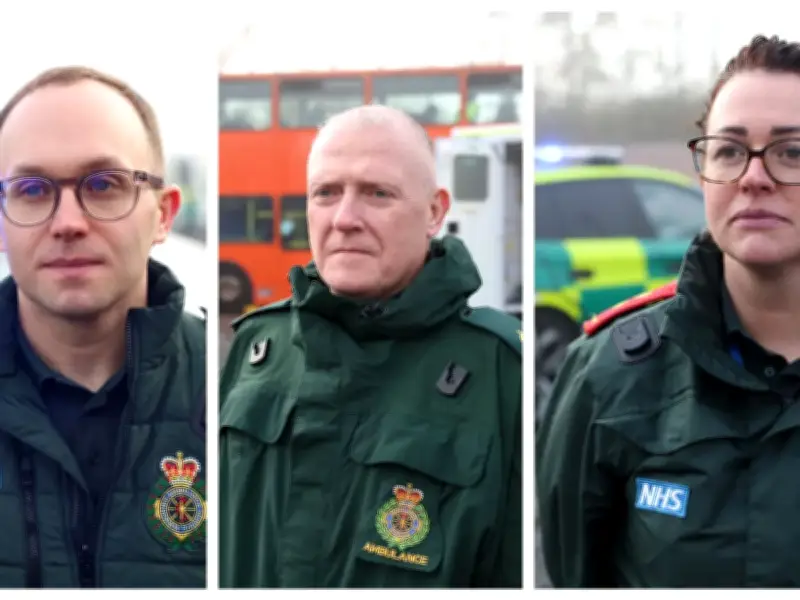
Deputy head of emergency preparedness, response and resilience (EPRR) Andy Sessford explained that all emergency services staff are trained to quickly assess an incident scene. "For our winter safety campaign this is a really important opportunity to showcase how prepared we are as an ambulance service and how quickly assessment [of an incident scene] takes place when crews arrive," he said. "It shows how we use 'ten-second triage', which allows us to quickly work to prioritise."
First responders follow a simple flow-chart upon arrival. If someone is walking, they are usually "priority three" (P3). The next check is for severe bleeding, which would make someone a P1, while responders also rapidly check whether a casualty is talking, has a penetrating injury, or is struggling to breathe.
Roles on the scene
Paramedic Rebekah Hunter, a clinical team leader, often travels with ambulance crews to manage the broader response. "My role involves helping to co-ordinate the right response. I will arrive [on scene] and I will be seeing if we need further resources based on the updates I can provide from the scene," she said. "It's about making sure that our colleagues have all the support that they need - both during and after an incident. Welfare for our crews is massively important for us. They attend complex traumatic incidents in the course of their normal days - and so my role can involve checking in with crews."
Specialist critical care paramedic Thomas Mortillaro described his dual role, split between responding in a rapid response car and working on the "critical care desk" at the operations centre. He noted that video calls can be used to assess rapidly changing situations. "Part of my role is that we can do video back from a scene, and what I'm doing there is being able to look and assess where something might be changing," he said.
Winter safety appeal
All three senior NEAS staff urged the public to take care on the roads during winter. Andy said: "What's vital to be aware of is that change in weather conditions. The clocks go back, and that leads to more driving in the dark. People need to be aware of that and to be aware of the need to make sure your vehicle is roadworthy, and that you are driving to the conditions that your are experiencing."
Rebekah added: "Our crews are always here when people need them - but we want to help prevent incidents from happening wherever we can." The appeal comes after crews were called to more than 300 serious incidents in October, up from 260 last year and 240 in 2024.