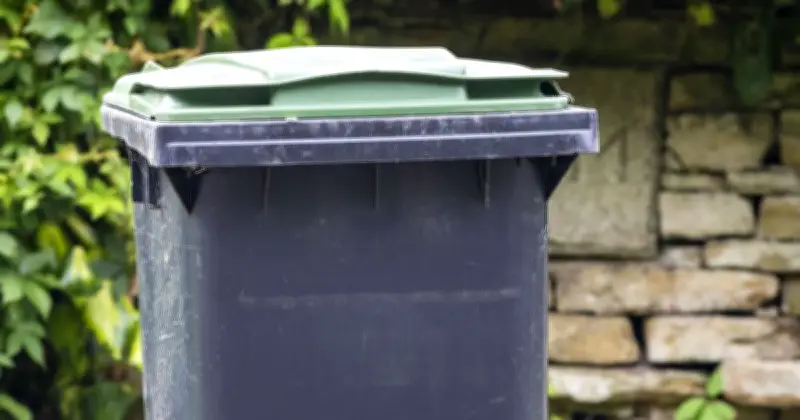
Distilled white vinegar, a 35p kitchen staple, can keep bins free of flies and maggots by disrupting flies' ability to find food and killing maggots on contact, according to pest control experts.
Flies become most active in Britain between May and September, and this summer's record temperatures, consecutive heatwaves, and official drought in two-thirds of England and all of Wales have led to more flies and maggots around house bins.
Why Vinegar Works
James Copley, chief executive officer at Copley Pest Solutions, told Good Housekeeping: “Distilled white vinegar has a strong smell that disrupts a fly’s ability to find food, so using it to clean residue left behind by food will make the area less appealing to flies.”

568ml of white distilled vinegar can be bought at Tesco for as little as 35p, making it an affordable and effective solution. The pest control expert cautioned that not every type of vinegar works: “It’s important for homeowners to know that some vinegars actually have the opposite effect. Sweet and fermented smells attract flies and a lot of other pests, so if you use apple cider vinegar or red wine vinegar, you’ll find yourself with more flies.”
How to Apply the Solution
Applying vinegar to bins is straightforward: spritz a solution of equal parts vinegar and water around the rim and lid, then wipe with a microfibre cloth to ensure even application and remove food residue.
Food recycling expert Mill shared another method: “Water doesn’t have to be boiling (212°F) to kill maggots — it just needs to have a minimum temperature of 140°F. Adding vinegar to the mix has the added benefit of deodorizing your trash, making it less likely for the maggots to return.”
For this method, combine one part white vinegar with three parts hot water, pour into the bin, and let it sit for 30 minutes with the lid closed. After the maggots are dead, dispose of the liquid, rinse the bin, then spray or rinse again with the solution to disinfect and freshen.
Deep Cleaning and Maintenance
Vinegar's potent smell overpowers trash odours, making the bin unsuitable for female flies to lay eggs and killing maggots on contact by dehydration. Wiping off leftover food particles from the lid, rim, and spills reduces attraction to flies.
James suggests giving the whole bin a deep clean with vinegar, using a cloth and the mixture to clean inside and outside, including the area around the lid and the underside. Addressing spills and food residue immediately is also advised, as even the smallest bits can attract flies.
Reapplying the vinegar solution regularly is crucial. Good Housekeeping recommends spritzing every couple of days, especially on rainy days for outdoor bins, and daily during scorching days. Regularly emptying bins in summer, combined with these steps, can greatly reduce the chances of attracting flies and maggots.