
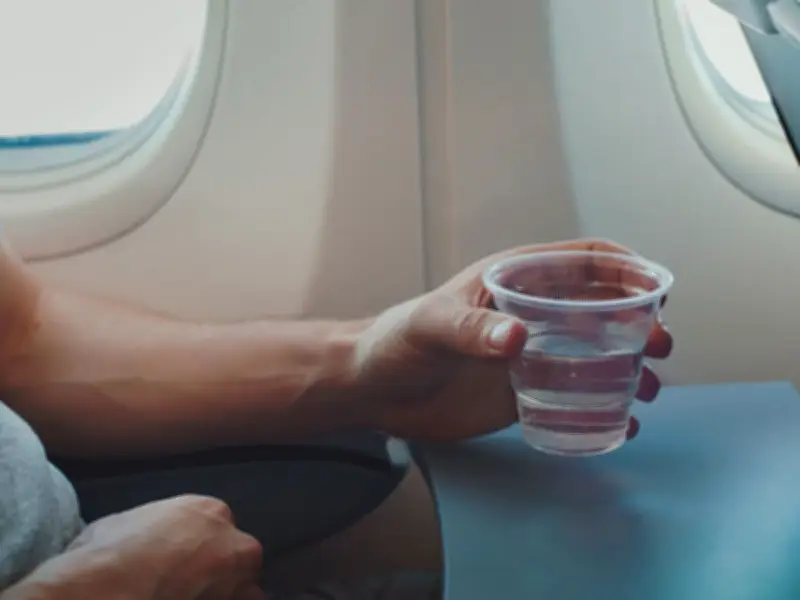
Passengers are being urged to follow a simple 250ml rule to avoid the dehydrating effects of flying. Plane cabins often have humidity as low as 10–20%, a deliberate measure by airlines to prevent condensation that can cause rust and structural damage over time. This dry environment can leave travelers feeling tired, with dry throat or headache upon arrival.
Why Planes Are So Dry
Many assume cabin air is recirculated, but the low humidity is intentional. Keeping the cabin dry protects the aircraft from corrosion. However, sitting in such conditions for hours leads to dehydration, and many passengers show signs by the time they land.
The 250ml Rule Explained
Nick Hird, founder of hydration powder company Vidrate, recommends drinking 250ml of water for every hour in the air. He says: "To prevent the effects of flying from having too much of an impact, you should pre-load your hydration in the 24 to 48 hours before travel. Many people arrive at the airport already dehydrated, meaning the impact of the flight hits them harder."
He advises keeping a large bottle of water handy while packing and during the journey. Adding an electrolyte sachet to water before or during the flight can help maintain hydration levels.
Scientific Backing
A scientific study on dehydration during flights concluded that 250ml of liquid per hour helps balance fluids. Passengers should note that alcohol, caffeine, and sugary foods have dehydrating effects and may require additional water intake.
Dangers of Overhydration
Nick warns against drinking large volumes quickly: "Avoid drinking a large volume of water in a short space of time, as this can actually be harmful because it causes sodium levels in your system to dilute rapidly, which can induce nausea and even vomiting." Small, regular sips are better than gulping.
Signs of Dehydration
The NHS advises looking for symptoms like peeing less than usual, dizziness, and fatigue. Travelers showing signs should consult a pharmacist for advice.




