
A judge is expected to sentence OxyContin maker Purdue Pharma to forfeit $225m to the US Department of Justice on Tuesday, paving the way for the company to finalise a settlement of thousands of lawsuits over its role in the opioid crisis.
The penalty was agreed in 2020 to resolve federal civil and criminal investigations. If the judge signs off, other penalties will not be collected in return for Purdue settling the other lawsuits. The broader settlement, approved by another judge in November and potentially effective from 1 May, requires members of the Sackler family to pay up to $7bn to state, local and Native American tribal governments, individual victims and others.
Purdue pleaded guilty to three federal criminal charges in November 2020. It admitted it lacked an effective programme to prevent its powerful prescription painkillers from being diverted to the black market, despite telling the Drug Enforcement Administration it had one. It also admitted paying doctors through a speakers programme to prescribe the drugs, and paying an electronic medical records company to send information encouraging more opioid prescriptions.
While Purdue produced only a fraction of opioid pills that flooded the market, its aggressive sales of OxyContin are seen as a touchstone of the crisis. Richard Sackler, a former top executive, called for a “blizzard of prescriptions” at a 1996 sales event. The government agreed not to collect $5.3bn in criminal forfeitures and fines and $2.8bn in civil liabilities, with portions considered part of the broader settlement. The Sackler family will contribute up to $7bn over 15 years, mostly to fight the opioid crisis.
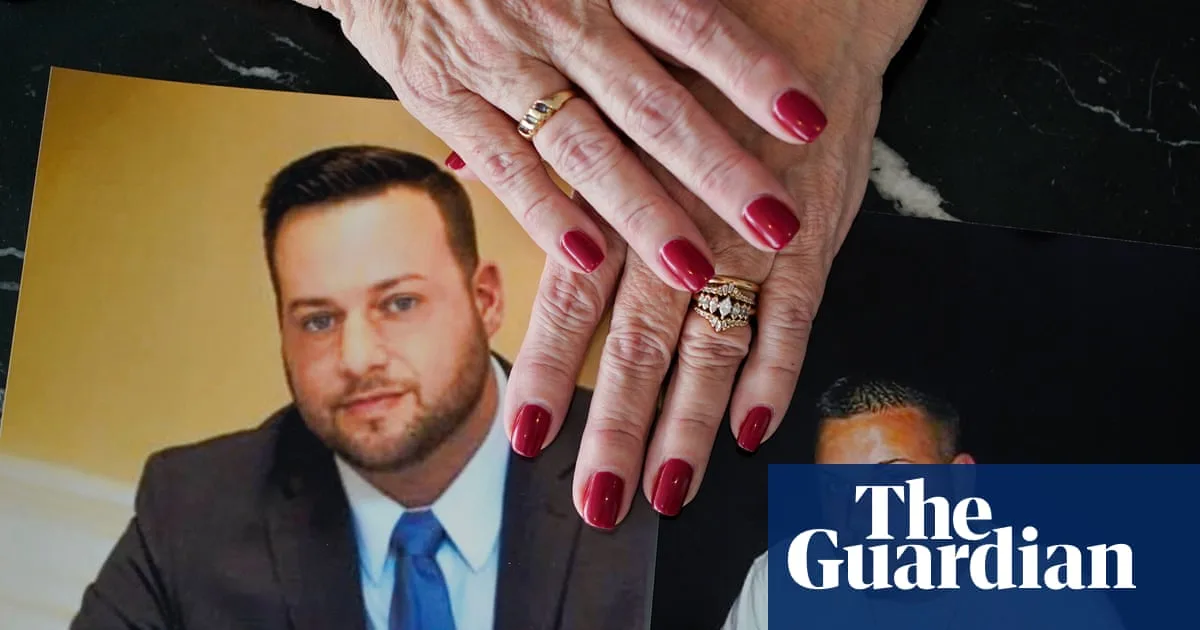
Under the deal, the Sackler family will be shielded from opioid lawsuits, and Purdue will be replaced by a new company, Knoa Pharma, operating for public benefit. The restructuring is among the most complicated ever, with more than $1bn paid to lawyers and professionals. More than 54,000 personal injury claimants voted to accept the settlement, but some victims and relatives have argued it falls short of justice for a crisis linked to 900,000 US deaths since 1999. Susan Ousterman, whose son Tyler Cordiero died aged 24 in 2020, organised others who lost loved ones to deliver their objections.




