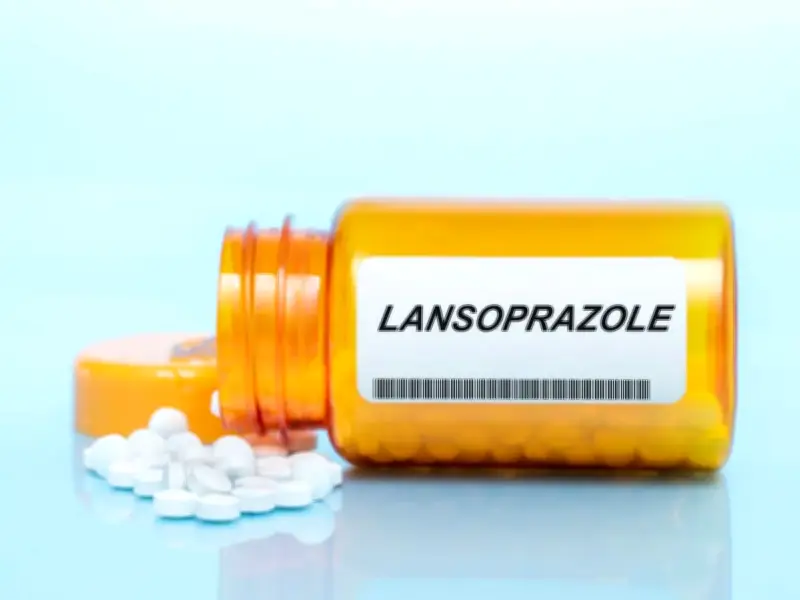
A pharmacist known on social media has highlighted three warning signs for people taking Lansoprazole, a proton pump inhibitor (PPI) used to treat acid reflux and related conditions. Raj Patel, who posts as Pharmacist Health Raj on TikTok, shared the advice in a video to his followers.
Three side effects to watch
Patel said: "The biggest mistake many make with Lansoprazole is underestimating these three side-effects." He cautioned that skimming over the side-effect information when starting a new medication could be risky, especially with long-term use.
The first sign is joint pain, which he said might indicate a severe calcium absorption issue rather than just age or exercise. The second is unusual stomach discomfort or diarrhoea, which could signal a Clostridium difficile infection. The third is frequent respiratory or lung infections, potentially pointing to a weakened immune system due to low magnesium levels.
What Lansoprazole treats
Lansoprazole lowers the amount of acid the stomach produces. It is prescribed for indigestion, heartburn, acid reflux, gastro-oesophageal reflux disease (GORD), and stomach ulcers. It is also used for Zollinger-Ellison syndrome, a rare condition caused by a tumour in the pancreas or gut. The medication is typically taken as a tablet once a day, and patients usually feel better within 2-3 days, though full control of acid symptoms may take up to four weeks.
PPIs are widely used in the UK, with upwards of 10 million people taking them on prescription.
Common and serious side effects
The NHS lists common side effects such as headache, feeling sick, and diarrhoea, which are usually mild and resolve when the medicine is stopped. Patients are advised to avoid alcohol while taking Lansoprazole, as it can increase stomach acid production and worsen symptoms. Other side effects include stomach pain, constipation, excess wind, an itchy rash, dizziness, tiredness, and a dry mouth or throat.
Long-term use of Lansoprazole can impair calcium absorption and is associated with a modest increase in the risk of bone fractures. Studies have shown a correlation between PPIs and osteoporosis and fractures. Research also links PPIs to an increased risk of developing or experiencing a recurrent Clostridioides difficile infection. Clostridium difficile is a bacterium found in healthy people, but it can cause infection when medication kills other bowel bacteria, allowing it to reproduce in large numbers.
Taking Lansoprazole for more than three months can lead to low magnesium levels in the blood, causing tiredness, confusion, and dizziness, as PPIs can impair magnesium absorption in the intestine.
Stopping Lansoprazole
The NHS advises that patients can usually stop taking Lansoprazole without reducing the dose first, but those who have taken it for a long time should speak to their doctor before stopping. Stopping suddenly could cause the stomach to produce more acid and bring symptoms back, so reducing the dose gradually is recommended.