
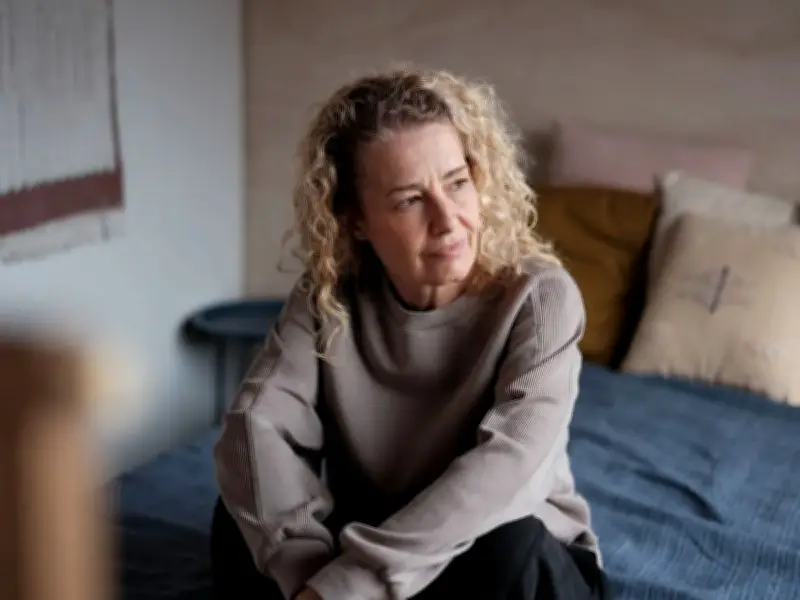
Sertraline users have been urged to seek immediate medical help if they feel more anxious, restless, or unlike themselves after starting the antidepressant, according to a pharmacist.
Raj Patel, known as Pharmacist Health Raj on social media, said certain changes "cannot be ignored" and stressed that in the most severe circumstances, seeking immediate assistance is vital. He advised: "If you feel more anxious, restless, or unlike yourself after starting sertraline, please don't ignore it."
Pharmacist's warning on early symptoms
Patel noted that the first few weeks can be confusing and that some symptoms may settle while others need help. He said patients may notice nausea, sleep changes, more anxiety, or a restless, agitated feeling. "Some of these changes may ease as your body adjusts, but if you feel very agitated, you cannot manage your day, or your mood is getting worse, please contact your pharmacist or your prescriber straight away," he said.
He added that anyone with thoughts of harming themselves or who feels unable to stay safe should ring NHS 111, call 999, or go to A&E if there is immediate danger. "Please don't change the dose or stop sertraline suddenly on your own," he said. "Tell someone you trust that you started sertraline, and keep a short note of any changes. You don't need to work this out alone."
Common and serious side effects
Sertraline is prescribed to millions of people in the UK each year for conditions such as depression, obsessive-compulsive disorder (OCD), panic disorder, post-traumatic stress disorder (PTSD), and social anxiety. It belongs to a class of antidepressants called selective serotonin reuptake inhibitors (SSRIs) and is available only on prescription.
The NHS says not everyone experiences side effects, and those that do occur often subside within a fortnight. Common side effects include headaches, nausea, vomiting, dizziness or drowsiness, dry mouth, diarrhoea, sleep problems, sexual problems such as low libido, and weight gain. The health body advises against driving, cycling, or operating machinery if feeling dizzy or drowsy after taking it.
Serious side effects are uncommon but possible. These include anaphylaxis, serotonin syndrome, mania, and feeling very low with suicidal thoughts. Anyone suspecting anaphylaxis should contact emergency services immediately.
Who can take sertraline and how
Most adults can take sertraline. Children aged 6 to 17 can take it for OCD, and it is sometimes used to treat severe depression in children aged 12 to 17. It may not be suitable for people with diabetes, epilepsy, heart disease, glaucoma, a bleeding disorder, or a history of mania.
Patients should inform their doctor of other medical conditions before taking it. Breastfeeding women should also discuss this with their doctor, as sertraline may pass to the baby in small quantities, though side effects are uncommon. Pregnant women can take it if necessary, with the doctor explaining the risks and benefits.
Sertraline is usually taken once daily at the same time, with or without food. If a dose is missed, patients should skip it and take the next dose the following day, avoiding double doses. Patients are advised to check the packet or leaflet and seek advice from a pharmacist or doctor if uncertain.




