
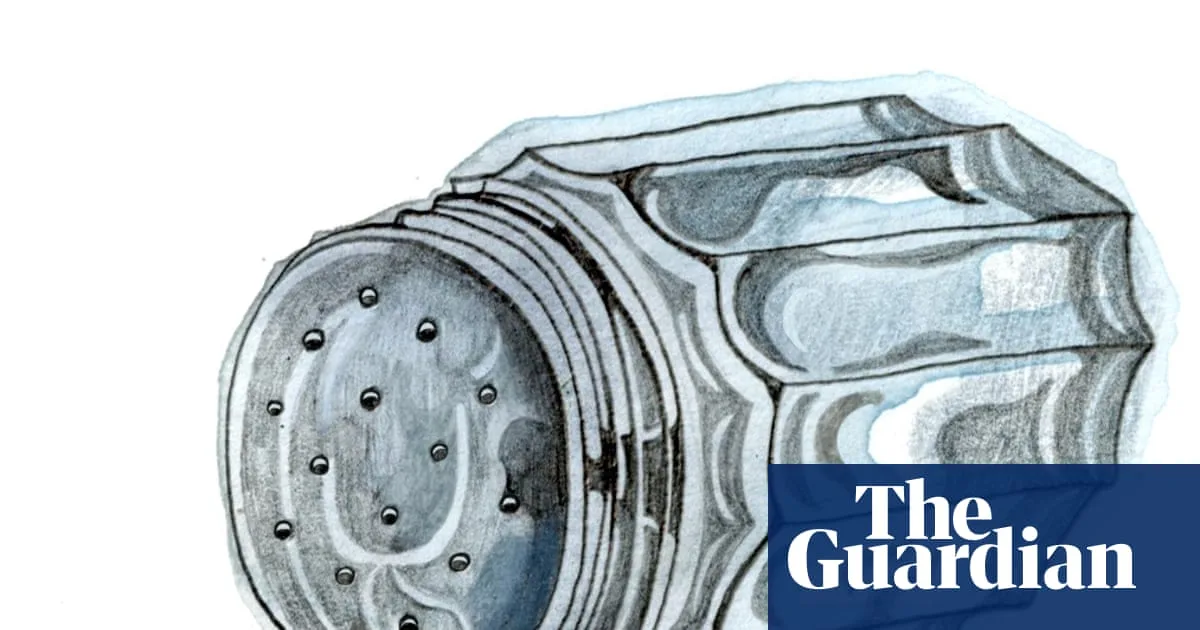
A new quiz challenges children to explore the science behind everyday phenomena, including why salt makes ice less slippery and what causes bubbles to pop. The five multiple-choice questions, created by young minds, aim to test knowledge and inspire curiosity.
The quiz is part of the 'Everything Under the Sun' series, hosted by author and podcaster Molly Oldfield. Her podcast answers children's questions, and the quiz draws from her books, including the recently released 'Everything Under the Sun: All Around the World'.
Children are encouraged to submit their own brainteasers for future quizzes, fostering a community of young learners. The initiative blends education with entertainment, making science accessible and fun.
Molly Oldfield's work has been praised for engaging children with complex topics through simple, relatable questions. The quiz format adds an interactive element, allowing kids to test their understanding and learn more about the world around them.




