

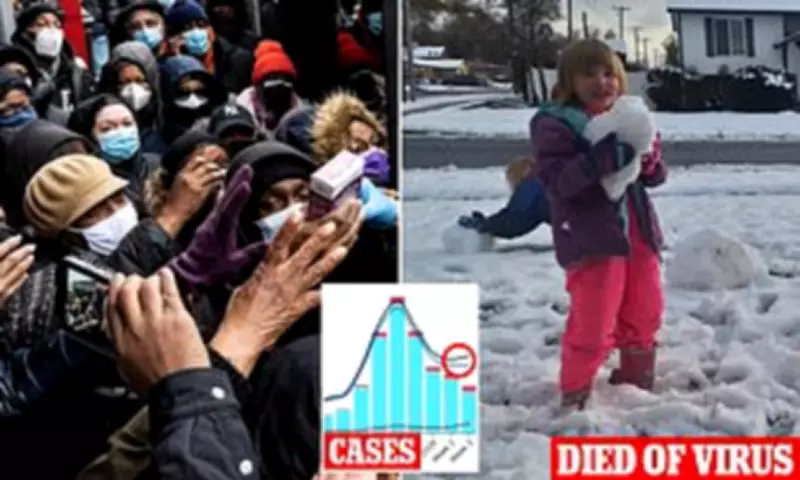
Health experts have issued a stark warning that this season's so-called 'super flu' is showing alarming signs of resurgence, having only recently slowed last month. The latest data released by the Centers for Disease Control and Prevention (CDC) reveals a concerning uptick in influenza activity across the United States.
CDC Data Highlights Rising Flu Trends
According to the CDC, 18 percent of tests for influenza returned positive during the week of January 24, marking a slight increase from 17.7 percent the previous week. Concurrently, the rate of outpatient respiratory illnesses has risen from 4.4 to 4.7 percent, indicating a broader spread of viral infections. These figures suggest that the flu season, far from concluding, is experiencing a secondary peak.
Dominance of the H3N2 'Super Flu' Strain
The surge in cases is largely attributed to the H3N2 subclade K, colloquially dubbed the 'super flu.' This variant has been linked to more severe and longer-lasting symptoms compared to previous strains. Shockingly, the CDC reports that 90 percent of H3N2 samples collected since September belong to this subclade, underscoring its prevalence and potential for widespread impact.

Pediatric Deaths and State-Level Outbreaks
Tragically, the latest figures show an additional eight children have died from flu-related complications in the past week, bringing the total pediatric influenza-related deaths to 52 for the season. Despite overall declines in viral activity nationwide, six states are currently reporting 'very high' levels of influenza viral activity: Missouri, Louisiana, Colorado, Texas, South Carolina, and Oregon.
South Carolina, in particular, is grappling with the super flu alongside a historic measles outbreak that has infected 847 people since October 2025, including 20 individuals who were fully vaccinated against measles. This dual health crisis highlights the ongoing challenges faced by public health systems.
Expert Insights on the Resurgence
Dr. Caitlin Rivers, an epidemiologist and associate professor at the Johns Hopkins Bloomberg School of Public Health, told CNN, 'We are seeing a second peak, a second rebound from flu. It's concentrated in school-age children.' She added, 'Children and kids are always the first to register new trends. So I do think that the increase will hit adults as well, but for now, it’s really concentrated in kids.'
Dr. Rivers noted that these trends mirror last year's flu season, where the virus experienced a secondary peak in late February after an initial decline. This pattern suggests that the current uptick may not be an anomaly but part of a recurring seasonal dynamic.
Impact on Schools and Healthcare Facilities
The resurgence has prompted significant disruptions, including school closures and the reinstatement of pandemic-era restrictions. For instance, the Keota Community School District in Iowa closed its elementary and junior/senior high schools for a day due to a high volume of illness among students and staff. Similarly, Villa Duchesne Catholic School in St. Louis, Missouri, shut down for multiple days in December for emergency flu testing and investigation.
In a more extreme case, Iowa’s Moulton-Udell school district canceled classes and sports activities after nearly 30 percent of students and staff fell ill, with officials describing the two-day shutdown as a necessary response to an 'extremely high' rate of sickness. Healthcare facilities have also taken precautions; Detroit Medical Center restricted visitor access in December to protect patients and staff, following similar measures in New Jersey and New York hospitals.
Hospitalization and Mortality Trends
Despite the slight increase in infections, the latest CDC data shows some positive trends in hospitalizations and mortality rates. The weekly hospitalization rate for the week of January 24 was 26.4 per 100,000, down from 43.5 per 100,000 the previous week. Total hospitalizations decreased from 17,963 to 15,080 during the same period. Additionally, the mortality rate dropped from 1.8 to 1.5 percent from January 17 to January 24.

Prevention and Vaccination Challenges
Health officials emphasize that the annual flu vaccine remains the best method for preventing influenza, with effectiveness ranging from 30 to 75 percent depending on the variant. However, CDC figures reveal that less than half of Americans have received the flu shot this season, posing a significant barrier to curbing the spread of the virus.
Infectious disease experts warn that despite the holiday season—a primary driver of winter respiratory illnesses—being over, the super flu continues to pose a threat, particularly to vulnerable populations such as children. They urge the public to remain vigilant and adhere to preventive measures to mitigate the impact of this persistent health challenge.





