

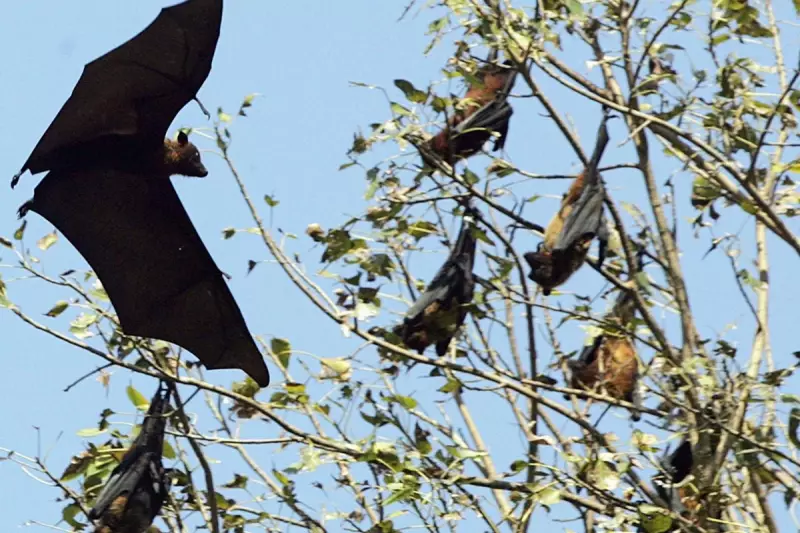
Indian health authorities are engaged in a rapid response operation to contain a dangerous outbreak of the Nipah virus in the eastern state of West Bengal. This urgent action follows the confirmation of five cases and the placement of nearly one hundred individuals under home quarantine orders.
Confirmed Cases and Hospital Admissions
The outbreak came to light earlier this week when three new infections were reported by officials. These latest cases involve a doctor, a nurse, and a member of the health staff, according to reports from the Press Trust of India news agency. They join two previously confirmed cases, both nurses—one male and one female—who had tested positive while working at a private hospital in Barasat, located near the state capital of Kolkata.
The patients with the most recent infections have been admitted to the infectious diseases hospital in Beleghata, eastern Kolkata. Meanwhile, the two initial cases remain in intensive care at a private medical facility. A senior official from the West Bengal health department provided an update, stating, "the condition of the male nurse is improving but the woman patient remains very critical. Both of them are being treated in the ICCU (Intensive Coronary Care Unit)".

Quarantine Measures and Public Health Response
In a decisive move to prevent further spread, government officials have mandated home quarantine for approximately one hundred people. This measure was implemented after the first case was identified on Monday, highlighting the swift public health response to the emerging threat.
Understanding the Nipah Virus Threat
The Nipah virus represents a significant global health concern, classified by the World Health Organization (WHO) as a priority pathogen due to its potential to cause epidemics. This zoonotic virus, which transmits between animals and humans, currently has no approved vaccine for prevention and no specific treatment to cure infections.
The virus is highly contagious and can spread through contact with bodily fluids such as saliva, urine, and blood. It was first identified in 1998 during an outbreak among pig farmers in Malaysia and Singapore. Transmission typically occurs through contact with infected bats or pigs, though human-to-human transmission has also been documented in previous outbreaks.
Expert Insights on Transmission Risks
Medical experts in India, which has faced annual battles with Nipah virus contagion in recent years, have emphasised the zoonotic nature of this viral infection. Rajeev Jayadevan, former president of the Indian Medical Association in Cochin, explained that human infections are rare and usually result from accidental spillover events at the human-bat interface.
"This is more likely in rural and forest-adjacent areas where agricultural practices increase contact between humans and fruit bats searching for food," he noted, referring to consumption of fruits potentially contaminated by bats. Certain species of bats, particularly flying foxes, are known reservoirs for the virus.
Historical Context and Future Concerns
India has experienced the deadly impact of Nipah virus before, most notably in Kerala where dozens of deaths have been linked to the pathogen since it first appeared in the southern state in 2018. Scientists believe the virus has existed among bat populations for millennia and express concern that a mutated, highly transmissible strain could potentially emerge from these animal reservoirs.
The current outbreak in West Bengal underscores the ongoing challenge of managing emerging infectious diseases at the intersection of human and animal health, particularly in regions where environmental factors increase the risk of zoonotic transmission.






