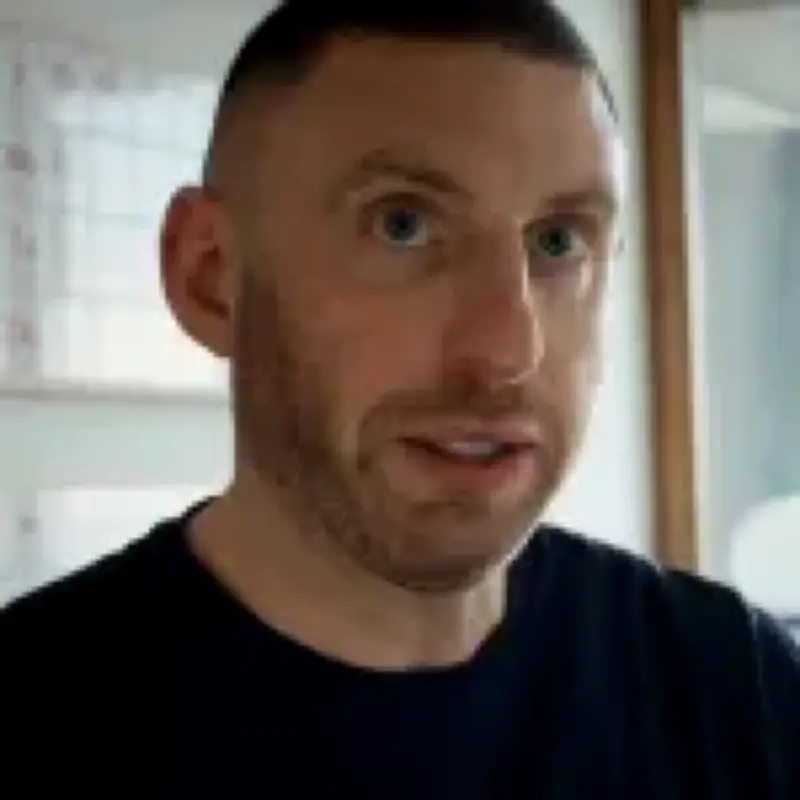
Channel 4's documentary The Great ADHD Myth? has drawn more than 9,000 Ofcom complaints after questioning whether ADHD is a genuine neurodevelopmental disorder or a 'social construct'.
The programme aired on August 18 and generated 9,656 complaints from that date to Monday, August 24, according to Ofcom's weekly audience report.
Documentary's premise and NHS data
The documentary investigates whether children diagnosed with ADHD should be given psychiatric drugs, such as amphetamines, to treat the condition.

According to NHS data, as of May 2025, an estimated 2,498,000 people in England had ADHD (including those without a diagnosis), of whom 741,000 are children and young people aged five to 24. Channel 4 cites additional NHS data showing a 200% increase in the number of people referred for an ADHD diagnosis between 2020 and 2025.
Dr Max Pemberton's investigation
The programme centres around Dr Max Pemberton, a full-time NHS psychiatrist, and his investigation into the 'maybe-myth' of ADHD.
'As a psychiatrist, I've watched ADHD go from a diagnosis that was only occasionally made and after careful assessment, to one that is increasingly demanded and dispensed, and I wanted to understand why,' Dr Pemberton said.
'There's no doubt that the people seeking these diagnoses are genuinely struggling; that isn't in question. What the film asks is whether ADHD is really the best explanation for that struggle and my hope is that we come away with permission to ask better questions about what modern life is doing to all of us.'
Reaction and criticism
The programme has been condemned by the ADHD community and leading figures in the field. The charity ADHD UK encouraged viewers to 'send Ofcom a complaint'.
The Guardian's four-star review dubbed it 'the most controversial show of the year', while The Irish Independent declared it was 'brazenly one-sided' and 'grossly irresponsible TV'. A contributor to The Great ADHD Myth? withdrew her support after the programme aired, describing it as a misrepresentation of her views.
Katya Rubia, a professor of cognitive neuroscience at the Institute of Psychiatry, Psychology and Neuroscience at King's College London, said: 'Biased programmes like this one that push their view of ADHD as a mythical entity are irresponsible and will have detrimental effects.
'In particular at a time in our society where mental health conditions are escalating and where there is an urgent need for early diagnosis and early treatment to prevent further damage down the line.'
Metro contacted Channel 4 for comment on this story. The Great ADHD Myth? is available to stream on Channel 4.