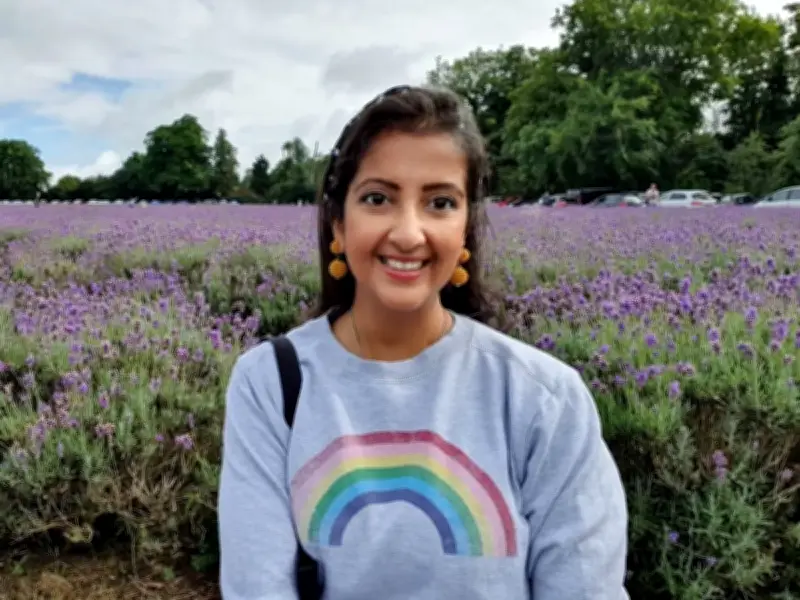
Kreena Dhiman was just 33 when she noticed one of her nipples had turned inwards. Despite being fit, healthy and busy building her career, she knew something wasn't right. When she raised concerns, she was told she was too young for it to be anything serious. She was later diagnosed with stage 3 breast cancer.
Diagnosis and Treatment
In August 2013, Kreena was diagnosed with stage 3 hormone-sensitive breast cancer. Unlike many women who discover a lump, her first warning sign was a nipple that had turned inwards. Her diagnosis came through the NHS, but private medical insurance through her employer meant she could have her mastectomy two weeks earlier than her NHS date.
“When you’ve just been told you have cancer, every day of waiting feels endless,” she said. “Having my surgery two weeks sooner meant I could start treatment and focus on getting better. I was lucky to have that cover through work. But it shouldn’t come down to luck.”
Kreena underwent a mastectomy, chemotherapy and radiotherapy. Before beginning treatment, she underwent emergency IVF in the hope of preserving her chance of becoming a mother. In 2016, she suffered acute heart failure caused by chemotherapy. She recovered, and she and her husband Satty have since welcomed four children through surrogacy.
Rising Cancer Rates in Younger People
Now 47 and living in Crawley, West Sussex, Kreena is sharing her story in the hope that other young women won't have to go through the same experience. Her warning comes as new research suggests cancer rates are increasing faster among younger people than older age groups. An analysis by World Cancer Research Fund found significant increases in seven types of cancer diagnosed before the age of 50 in England.
Breast cancer remains the most common cancer among under-50s, with rates increasing from 42 to 47.5 cases per 100,000 people between 2001 and 2023. Latest figures show there are around 10,000 cases in people under 50 every year. In England, routine NHS breast screening is generally offered to women aged 50 to 71, meaning women in their thirties are not routinely invited unless they qualify for additional surveillance.
Calls for Better Awareness and Support
Kreena believes younger people need more information about their individual risk, as well as reassurance that their concerns will be taken seriously. “Young people need to know what's normal for their bodies, what their risk looks like, and where to go if something changes,” she said. “And they need to be able to get checked without being told they're too young.”
Kelly McCabe, CEO of cancer care provider Perci Health, said: “Most of the younger people we speak to have never thought about their own cancer risk. They assume it's something for later life, so when they notice a change they put it off, or they turn to Google and try to work it out on their own.
“Understanding your risk is the first step. Your age, your family history, your genetics and your ethnicity all play a part. When people get clear, clinically checked information and a proper risk assessment, they know what action to take, and whether screening is right for them.
“Support to advocate for yourself at the GP when you have a concerning symptom to ensure you are put on the right clinical path is also essential, particularly for younger people who often have their concerns dismissed. Early diagnosis makes a real difference to outcomes. The sooner someone acts on a change, the more options they have.”
There are also calls for employers to do more to help people access preventative healthcare. Research by workplace health and wellbeing provider Westfield Health found that fewer than one in 50 workers (1.8%) say their employer provides cancer support, such as help with early diagnosis.
Vicky Walker, Chief People Officer at Westfield Health, said: “Workplaces are one of the few places where people spend a large part of their time. That gives employers a unique opportunity to make preventative healthcare more accessible, and help people take action sooner, sometimes before any symptoms appear.
“This isn't about replacing the NHS, but about complementing it: raising awareness, improving access, and making it easier for people to act early. Catching problems sooner also helps people stay well and stay in work.”
For Kreena, who has gone on to build the family she feared she might never have, the message is simple: being young doesn't mean cancer can't happen to you. She hopes that by sharing her experience, more people will feel confident speaking up when something doesn't feel right.
Breast Cancer Symptoms to Look Out For
According to the NHS, possible signs of breast cancer include:
- A lump or swelling in the breast, chest or armpit
- A change in the size or shape of a breast
- Changes to the skin, including dimpling or puckering
- A nipple turning inwards
- Unusual nipple discharge or a rash around the nipple
Anyone who notices an unusual change should contact their GP, regardless of their age.