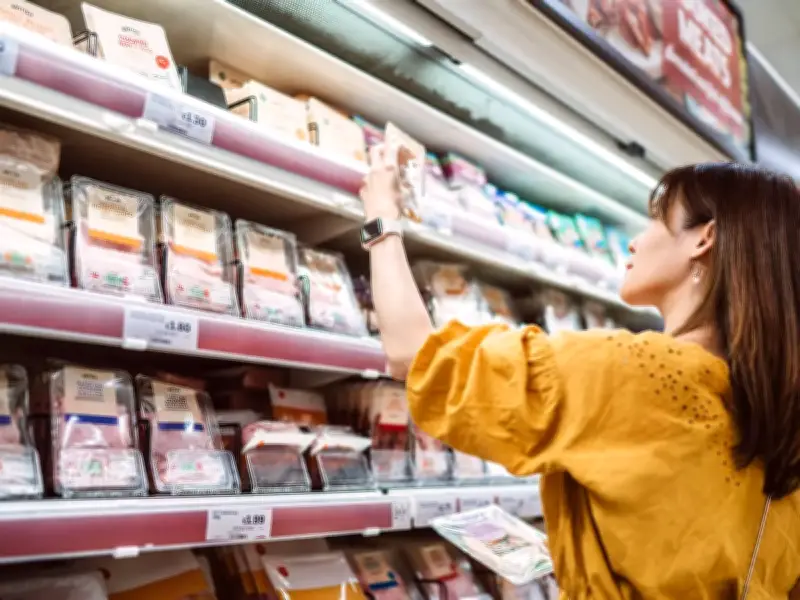
Reducing your intake of processed meats is one of the most effective dietary changes to lower your risk of high cholesterol, according to nutrition experts. These foods are high in saturated fat, which directly increases levels of low-density lipoprotein (LDL), the "bad" cholesterol linked to heart attack and stroke.
Understanding Good and Bad Cholesterol
Cholesterol is essential for many bodily functions, including producing hormones, building cells, aiding digestion, and making vitamin D from sunlight. Every cell in your body needs it to survive. However, not all cholesterol is the same.
Two types of lipoproteins transport cholesterol: low-density lipoprotein (LDL), or "bad" cholesterol, and high-density lipoprotein (HDL), or "good" cholesterol. Excess LDL can build up in blood vessel walls as plaque, triggering heart attacks or strokes. HDL helps remove LDL from arteries, reducing these risks.
Why Processed Meats Are a Concern
Carly Hart, a US-based registered dietitian, told Eating Well: "Processed meats are typically fattier cuts of meat and are high in saturated fat. High saturated fat-containing foods are notorious for causing high cholesterol and increasing levels of low-density lipoprotein (LDL) cholesterol, specifically."
Veronica Rouse, owner of The Heart Dietitian, also told Eating Well: "Even the 'healthier'-sounding options - like turkey bacon or low-fat deli cuts - aren't [necessarily] free of saturated fat, they're just a bit leaner than regular versions but still contribute to your total saturated fat intake for the day."
Processed meats also contain significantly higher sodium levels than unprocessed meats, which raises the risk of high blood pressure. Cancer Research UK states: "We know for definite that processed meat is a cause of cancer. We are as sure of this link as we are for other proven causes of cancer, like tobacco and alcohol."
What Counts as Processed Meat?
The World Health Organisation (WHO) defines processed meat as "meat that has been transformed through salting, curing, fermentation, smoking, or other processes to enhance flavour or improve preservation." Examples include hot dogs, ham, sausages, corned beef, biltong or beef jerky, canned meat, and meat-based preparations and sauces.
Both processed meat and alcohol are classified as Group 1 carcinogens by the WHO, meaning there is convincing evidence they cause cancer in humans. Cancer dietitian Nichole Andrews states that processed meats are one of just two foods that cause cancer, the other being alcohol.
Other Ways to Lower Cholesterol
Nutritionist Rob Hobson shares eight practical tips for reducing bad cholesterol: eat more soluble fibre daily, eat healthy fats, eat more plant-based protein, include plant sterols and stanols, cut down on ultra-processed foods and sugary snacks, cook more at home, try simple food swaps, and follow the 80/20 rule.
Hobson says: "Lowering cholesterol doesn't have to be complicated - simple food swaps can make a big impact. From boosting soluble fibre to embracing heart-healthy fats, these small changes add up over time."