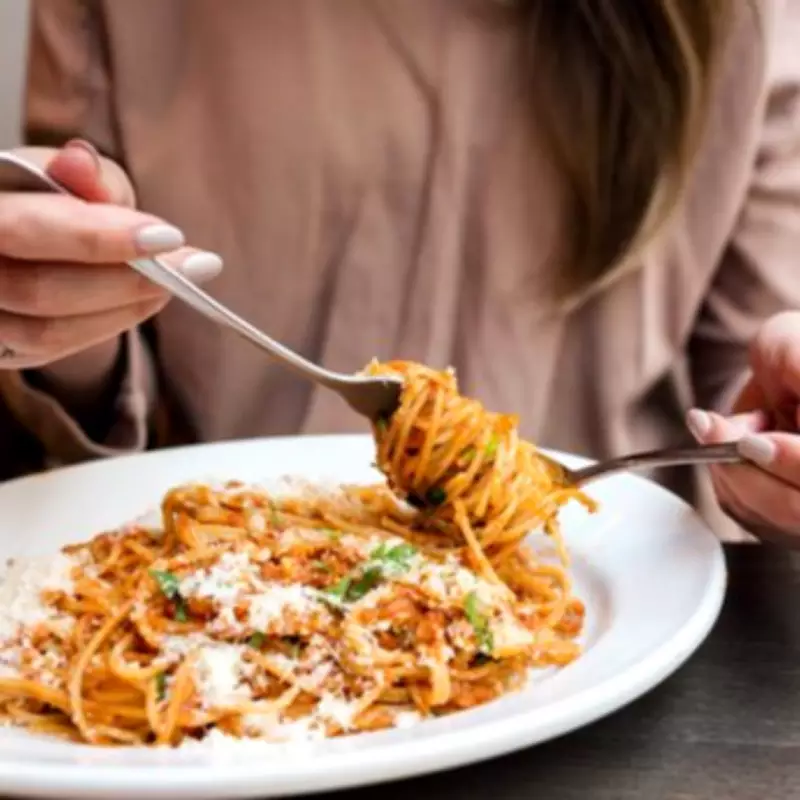
Transform Your Homemade Pasta with a Chef's Cost-Free Secret
Pasta serves as a versatile and effortless meal for countless occasions, yet many home cooks struggle to replicate the exquisite flavours and textures found in authentic Italian restaurants. Fortunately, a straightforward technique cherished by professional chefs can bridge this gap without requiring any additional expenditure.
The Common Pitfall: Dry, Clumpy Pasta
When pasta is combined with sauce, it often loses moisture, resulting in a dry, stodgy, and clumpy mound that fails to deliver on taste and presentation. This issue stems from the lack of proper emulsification between the pasta and its accompanying sauce.
The Culinary Solution: Harnessing Pasta Water
Food writer Katy O'Hara, in collaboration with Simply Recipes and as reported by the Express, advocates for a simple yet transformative method: utilising starchy pasta water. As pasta boils, it releases starch into the cooking water. This starchy liquid acts as a natural emulsifier when added to sauces.

Katy explains: "Think of how you make a vinaigrette. You need an emulsifier like mustard or mayonnaise to bind oil and vinegar. For pasta, the starch in the water helps blend fats, such as oil or butter, with the sauce components, creating a smooth, cohesive mixture."
Step-by-Step Implementation
To achieve restaurant-quality results, follow these precise steps:
- Before draining the pasta, reserve approximately one quarter cup (60ml) of the cooking water.
- After draining, return the pasta to the saucepan and incorporate your chosen sauce.
- For roughly one pound (450 grams) of pasta, add the full reserved water gradually, stirring until the sauce becomes glossy and evenly coats each piece.
- If cooking less than 450 grams, add one tablespoon of pasta water at a time until reaching the desired consistency.
Additional Expert Recommendations
Beyond pasta water, Katy outlines several crucial considerations for perfecting homemade pasta dishes:
- Pasta Shape Selection: Match the shape to your sauce—long, thin pasta for light sauces; wide, flat pasta for thick cream sauces; and short, textured shapes for chunky meat or vegetable sauces.
- Seasoning: Always salt the cooking water generously to enhance the pasta's inherent flavour.
- Cooking Precision: Aim for al dente texture, meaning the pasta retains a slight bite. Follow package instructions but verify by tasting; a faint white line in the centre indicates ideal doneness.
By integrating these techniques, home cooks can consistently produce moist, flavourful, and visually appealing pasta dishes that rival those served in top-tier Italian establishments.