

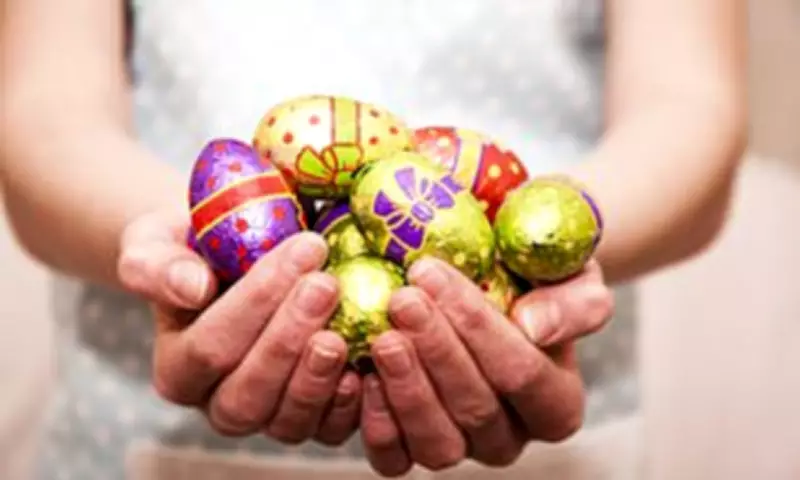
Nutritionist Reveals 7 Guilt-Free Ways to Enjoy Easter Chocolate
While indulging in chocolate treats over Easter is a cherished tradition for many, the aftermath of overconsumption can often lead to feelings of guilt and discomfort. In response to this common dilemma, nutritionist Christelle Page has unveiled seven intelligent strategies to savour Easter chocolates without the associated remorse.
Speaking exclusively to the Daily Mail, Page, a respected member of the Nutritionist Resource, emphasised the importance of a balanced approach. 'Easter and chocolate are inseparable for countless individuals, yet this enjoyment can swiftly escalate into overindulgence, followed by regret,' she explained. 'As a nutrition professional, I would never advocate complete abstinence from chocolate during Easter. The core issue frequently lies in an all-or-nothing mentality surrounding these treats.'
'Once people perceive they have 'blown it,' they are more inclined to continue eating mindlessly, ultimately feeling worse both physically and emotionally,' Page added. 'The encouraging news is that there are clever methods to relish your Easter chocolate guilt-free, without undermining your wellness efforts. It often hinges less on whether you consume chocolate and more on how you approach it.'

1. Time Your Treats Right
According to Page, timing plays a pivotal role in mindful chocolate consumption. 'If you plan to enjoy chocolate, it is generally preferable to consume it immediately after a meal rather than on an empty stomach or as a standalone snack,' she advised. 'Having chocolate following a meal rich in protein, fibre, and healthy fats can help decelerate the rate at which sugar enters the bloodstream. This mitigates the sharp spike-and-crash effect that often leaves individuals feeling fatigued, hungry again rapidly, or craving additional sugar later.'
2. Eat Chocolate with Nuts
Page highlighted that it is not merely timing but also the foods paired with chocolate that matter. 'To help avert the blood sugar rollercoaster when eating chocolate between meals, consider pairing it with a small handful of nuts or a spoonful of nut butter. Alternatively, opt for a chocolate variety containing nuts or a nut-based filling,' the nutritionist elaborated. 'You could even melt some chocolate and incorporate nuts to create an effortless homemade bark.'
Nuts supply protein, fibre, and healthy fats, which assist in slowing sugar absorption, enhancing satiety, and maintaining steadier energy levels. This makes it less probable that a single piece of chocolate escalates into consuming half an Easter egg.
3. Choose Dark Chocolate
When selecting an Easter egg, one crafted from dark chocolate is frequently the optimal choice. Page remarked, 'Selecting a higher-quality chocolate can yield a significant difference. Dark chocolate with a cocoa content of 70 per cent or above typically contains less sugar than milk or white chocolate and often proves more satisfying due to its richer, more intense flavour.'
Dark chocolate also harbours natural antioxidants alongside minerals such as magnesium, iron, copper, manganese, and zinc. These nutrients and compounds may collectively support normal energy metabolism, mood, immune function, and the body's inherent antioxidant defences. Some research further suggests that dark chocolate flavanols could offer benefits for heart and brain health. While this does not transform Easter chocolate into a health food, it positions darker chocolate as a more nutritious alternative to highly sugary options.
4. Go for a Walk Straight Afterwards
It may come as little surprise that Page also underscored the importance of post-indulgence exercise. 'Embarking on a 10 to 15-minute walk after consuming chocolate or a sweeter meal can be a straightforward yet effective method to help your body utilise glucose more efficiently and promote steadier blood sugar levels,' she said. 'It can also assist in drawing a definitive line under the treat, rather than allowing one chocolatey moment to evolve into an entire afternoon of grazing.'

5. Don't Keep Chocolate in Easy Reach
Page continued, 'If you are surrounded by abundant Easter chocolate at home, relying solely on willpower becomes considerably more challenging. A beneficial strategy involves being selective about what enters your household initially, or storing some chocolate out of sight instead of leaving it on the kitchen counter.'
The more visible and readily accessible food is, the more likely people are to consume it automatically rather than making a conscious choice.
6. Portion It Out Instead of Picking at It
Portion size is equally crucial, Page explained. 'One of the simplest ways to overeat chocolate is to consume it directly from a large egg, gift box, or sharing bag without truly noticing the quantity ingested. Breaking off a portion, placing it on a plate or into small containers, and then storing the remainder creates a natural pause.'
'That pause allows your brain time to register what you have eaten and determine whether you genuinely desire more, rather than continuing simply because it is available.' The same principle applies to individually wrapped mini eggs or small chocolates. Deciding in advance how many you intend to have can help restore a sense of control.
7. Drop the Guilt
Lastly, the nutritionist clarified that mindset is paramount. 'This is arguably the most critical tip of all. Guilt frequently drives the very behaviour individuals strive to avoid. If you convince yourself that you have failed, you are more likely to continue picking, overeat, and then pledge to 'start again' on Monday.'
'In reality, one Easter egg or a few chocolates do not compromise your health or progress. What holds far greater significance is your consistent behaviour over time.' Page concluded, 'Even the healthiest people occasionally overindulge, but they do not berate themselves for it. They simply revert to their normal eating patterns. Enjoy it, move forward, and return to your usual routine at the next meal.'





