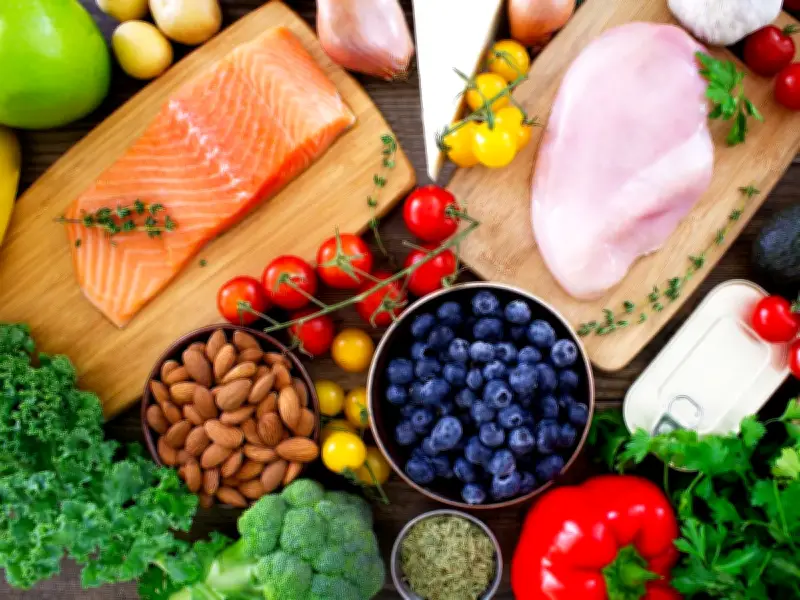
Eating better can increase your chances of living to 100, according to a doctor who founded a longevity clinic. Dr. Darshan Shah, founder of Next Health, shared that certain foods can contribute to longevity because diet affects important ageing processes like inflammation, cellular regeneration, and how your body handles insulin.
Incorporating nutrient-dense vegetables rich in fibre, combined with healthy fats and high-quality proteins from sources such as beans, poultry, and seafood, provides your cells with the strong support system they need to function optimally, according to the doctor. He told the food website Delish: "This, in turn, minimises the risk of chronic diseases like heart disease, diabetes, and cancers that often shorten lives. So yes, what you eat can absolutely contribute to a long, vibrant life."
Fatty Fish and Leafy Greens
Salmon and tuna are fatty fish choices that deliver heart-healthy protein along with important nutrients such as DHA, B12, and iodine, which can be harder to find on a strictly plant-based diet.
Spinach, kale, and Swiss chard are leafy greens that provide vitamins and antioxidants. These nutrients can help reduce inflammation, support heart health, and protect against high blood pressure, obesity, and heart disease. They also contain compounds that support brain function and may help slow cognitive decline that often happens with age.
Beans, Blueberries, and Nuts
Beans and legumes are rich in protein, fibre, vitamins, and minerals. They provide a gentle, gradual increase in blood sugar rather than a dramatic spike, which maintains steady energy and keeps you feeling full for longer. Beans are also a fibre source that slows digestion, nourishes beneficial gut bacteria, and helps lower cholesterol.
Blueberries stand out as a source of antioxidants and essential nutrients. Studies demonstrate they can lower the risk of long-term health conditions, boost fibre intake, and strengthen the heart, digestive system, brain function, and immune system. Nuts are packed with healthy fats, protein, and fibre, and have been shown to help lower cholesterol and blood pressure, plus reduce the chances of developing diabetes.
Wholegrains and Natural Yoghurt
Wholegrains have long been linked to increased longevity and are a staple in many of the world's healthiest communities with the longest lifespans. They boost digestive health, support cholesterol management, and stabilise blood sugar levels. Incorporating more whole grains is easy by switching to wholegrain bread, brown rice, and wholegrain pasta.
Fermented foods such as yoghurt contain probiotics that nurture a thriving gut microbiome. Research indicates that regular yoghurt consumers experience significantly lower mortality rates, particularly from cardiovascular disease, and each extra daily serving of yoghurt is associated with improved longevity outcomes.