

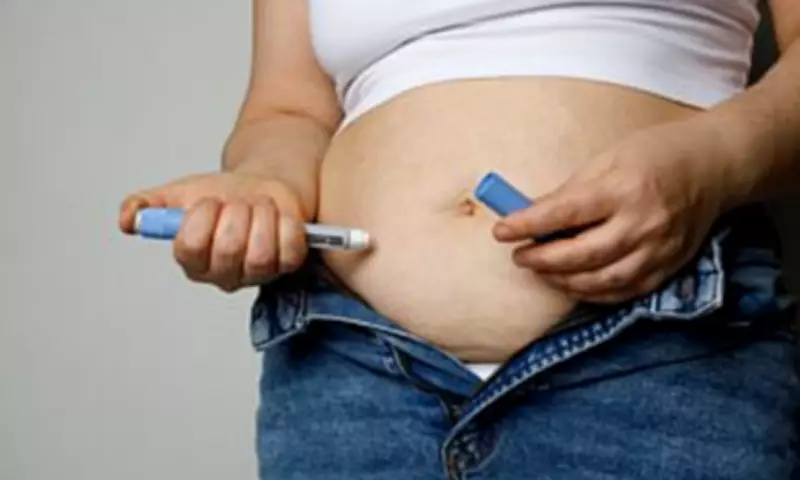
Leading scientists across Europe have issued a stark warning that the surging popularity of weight-loss injections, including Wegovy and Ozempic, risks diverting attention from the fundamental causes behind escalating obesity rates. A comprehensive new position paper published in The Lancet Regional Health Europe contends that while GLP-1 weight-loss medications represent a significant medical breakthrough for treating obesity, they do not confront the epidemic's root drivers.
Prevention Must Take Priority Over Treatment
Endorsed by more than 700 researchers within the OBEClust initiative, a pan-European obesity research collaboration, the paper asserts that prevention and treatment must work in tandem. However, it emphasises they are not equal priorities. The document argues that far greater and more sustained investment into preventing obesity is essential to achieve long-term, population-wide health improvements.
Obesity now impacts over one billion people globally and continues to rise throughout Europe. This increase is fuelled by unhealthy food environments, urban design that discourages physical activity, and widening social inequalities. In the United Kingdom, an estimated one in fifty adults are currently using these so-called 'fat jabs', with demand skyrocketing since the National Institute for Health and Care Excellence (NICE) approved Wegovy for NHS use in 2023.

Drugs Alone Cannot Reverse the Trend
Experts caution that pharmacological treatments alone cannot reverse this pervasive trend. 'Pharmacological treatments can improve health outcomes for individuals, but they have considerable disadvantages and do not remove the root causes of obesity,' stated Dr Jeroen Lakerveld of Amsterdam UMC, one of the paper's lead authors. 'Without structural change, the inflow of new patients will remain high. Prevention is essential for achieving sustainable and equitable health improvements at the population level.'
Key Policy Priorities Outlined
The paper, supported by the OBEClust research collaboration, outlines several critical policy priorities. These include implementing tighter regulation of food systems, promoting environments that encourage physical activity, tackling socioeconomic inequalities, and better integrating prevention with treatment strategies. It also warns of the economic risks associated with heavy reliance on long-term drug treatment without addressing underlying causes, suggesting this could drive escalating costs for national health systems.
While the authors acknowledge that GLP-1 drugs such as Wegovy and Ozempic constitute an important medical advance, they caution that they must not become a substitute for comprehensive prevention efforts. Instead, they argue, the emergence of these new treatments should reinforce—not replace—the urgent case for tackling obesity at its source.
Severe Health Consequences of Obesity
In adults, being overweight or obese is strongly associated with life-limiting conditions, including Type 2 diabetes, cardiovascular disease, and at least thirteen different types of cancer. Obesity also leads to increased mortality from all causes and results in more severe outcomes for conditions like COVID-19.
Regulatory Developments and Future Access
This report emerges just days after the Medicines and Healthcare products Regulatory Agency (MHRA) approved a higher-dose version of Wegovy. The regulator authorised a 7.2mg dose of semaglutide earlier this year, potentially offering an additional treatment option for patients who do not respond sufficiently to existing doses. Novo Nordisk, the manufacturer of Wegovy, is expected to roll out updated injection devices in the UK in the coming months.
Experts note that such developments could improve patient access and convenience. However, they stress emphatically that these advancements do not alter the fundamental and pressing need to tackle the root societal and environmental causes of the obesity epidemic through robust, sustained prevention strategies.






