UK Brain Tumour Patients Turn to Crowdfunding for Overseas Treatment as NHS Options Dwindle
A stark new report has exposed a growing crisis in the UK, where patients diagnosed with brain tumours are increasingly forced to crowdfund for treatment abroad due to critical gaps in domestic healthcare provision. The analysis, compiled by The Brain Tumour Charity in collaboration with GoFundMe, reveals that one in ten brain tumour fundraisers on the platform specifically mention seeking medical intervention overseas, highlighting a desperate scramble for alternatives when NHS pathways are exhausted.
Systemic Disadvantages and Financial Hardships
The charity's findings indicate that new brain tumour treatments are "consistently disadvantaged" within a healthcare system primarily structured to address more prevalent conditions. This limited access, coupled with sluggish research pipelines in Britain, is compelling patients to undertake significant financial risks to pursue therapies they have discovered independently online. Many are left to crowdfund these alternative treatments themselves, often at astronomical costs.
For instance, a food scientist from Wellingborough, diagnosed with an aggressive brain tumour in 2017 after a sudden seizure, exhausted all NHS options—including four surgeries, radiotherapy, and chemotherapy—before turning to a cancer vaccine combined with immunotherapy available in Germany. With each round of three treatments priced at £50,000, she resorted to setting up a fundraising page to cover the costs. Her mother, Liz Paul, reflected that the treatment "bought us time—a bit more time, at least," emphasising the emotional toll of such journeys.
Personal Stories of Desperation and Hope
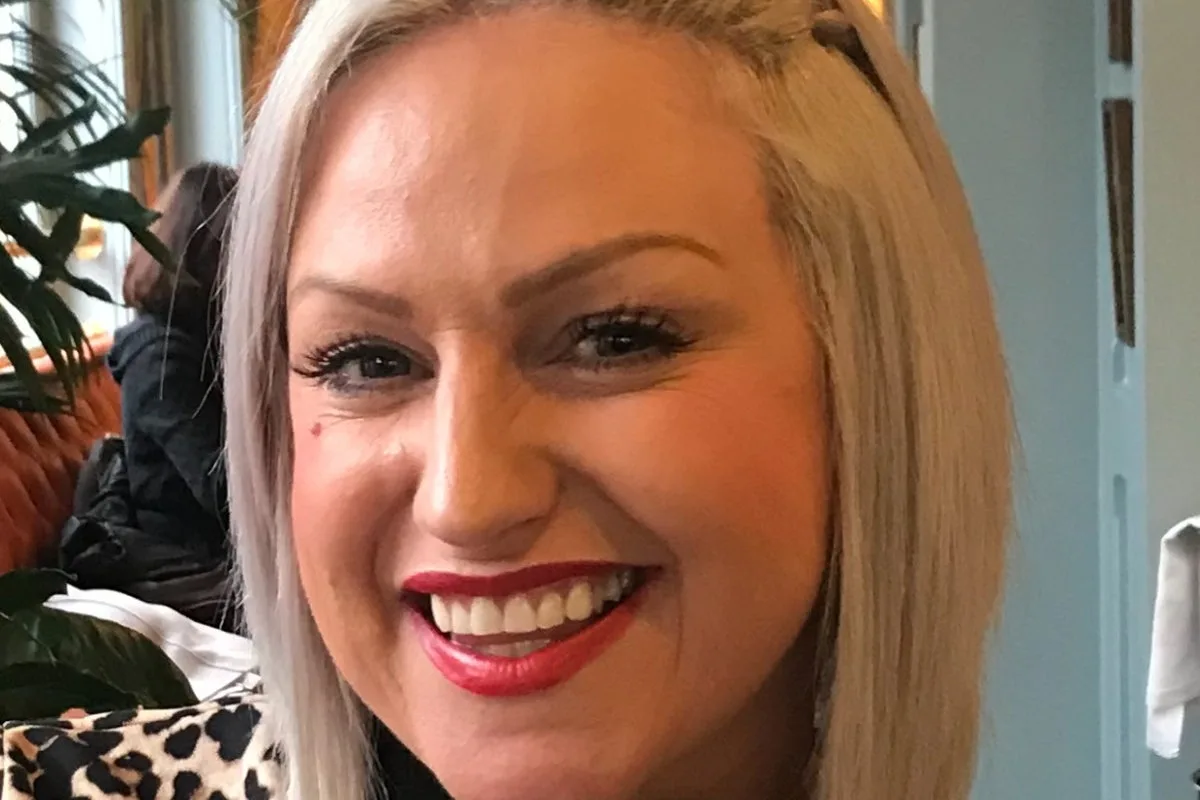
Similarly, Claire Nutter, a 48-year-old beauty therapist and mother-of-two from Burnley, Lancashire, launched a £5-a-ticket raffle in January with the chance to win her £800,000 home to fund specialist surgery and therapy in Germany, estimated at £350,000. Diagnosed in 2023, she had surgery that removed only 50% of her tumour safely, with radiotherapy ruled out due to fears of severe side effects and chemotherapy proving ineffective. Ms Nutter expressed frustration, stating, "It's upsetting to know there are treatments available in other countries which we don't have in the UK."
These cases underscore a broader trend where patients, feeling abandoned by domestic systems, take matters into their own hands. As Liz Paul noted, "You're researching all hours of the day, starting from ground zero... But you will do whatever you can for your child."
Calls for Urgent Reform and Innovation
Cameron Miller, director of strategy at The Brain Tumour Charity, highlighted the need for a "cultural and structural shift" in how innovation is approached in the UK. He argued that only through such changes can the country reach its potential as a "life science superpower," ensuring patients benefit from advancements promptly. The report outlines urgent actions required to bridge these gaps and prevent further financial and emotional hardships for families.
The Department of Health and Social Care and NHS England have been approached for comment, but as patients continue to crowdfund for survival, the call for accelerated research and accessible treatments grows louder. This situation not only reflects on healthcare disparities but also on the resilience of those fighting for every possible chance against aggressive brain tumours.






