The UK Health Security Agency has confirmed three cases of meningitis B in Dorset, prompting a targeted vaccination and antibiotic campaign for young people in the affected region. All three cases occurred between 20 March and 15 April, with those affected reportedly recovering well after receiving treatment.
Details of the Dorset Cases
Two of the confirmed cases involve students from Budmouth Academy in Dorset who are known contacts of each other. The third case is a young person attending Wey Valley Academy. Health officials have stated that no direct epidemiological link has been established between these three cases, which may indicate that this particular strain of MenB bacteria is circulating more widely among young people in the Dorset area.
Precautionary Measures Implemented
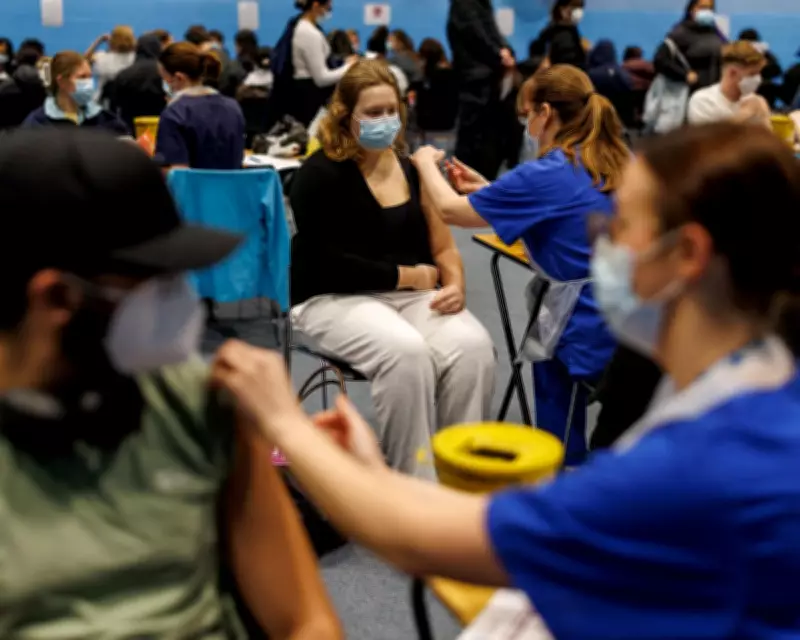
As a precautionary response, close contacts of the confirmed cases have already been offered antibiotics. The UKHSA has now expanded this intervention, offering both antibiotics and the MenB vaccination to all secondary school students across the Weymouth, Portland, and Chickerell areas of Dorset.

Dr Beth Smout, the UKHSA deputy director, emphasized the agency's proactive approach: "We are working closely with partners to follow up and offer precautionary antibiotics to close contacts of the cases. However, meningococcal disease does not spread easily, and outbreaks like we have seen recently in Kent are rare."
Understanding Meningitis B
Meningococcal disease, commonly referred to as meningitis, is an infection of the protective membranes surrounding the brain and spinal cord. Meningitis B, known as MenB, represents the most common bacterial form of this disease. In England, approximately 300 to 400 cases of meningococcal disease are diagnosed annually, though significant outbreaks remain uncommon.
No Connection to Kent Outbreak
Health authorities have explicitly stated that the Dorset cases are not linked to the recent meningitis outbreak in Kent, where two students tragically died and 21 cases were confirmed in March. Dr Smout clarified: "These cases are not linked to the Kent outbreak, and it is important to be aware that this outbreak is not on the same scale as we saw in Kent in terms of speed of transmission or severity."
The Kent outbreak was described by infectious disease experts as the fastest-growing meningitis spread they had ever observed, highlighting the distinct nature of the current situation in Dorset.
Recognizing Symptoms and Vigilance
Dr Smout urged continued public awareness regarding the signs and symptoms of meningococcal disease, which can progress rapidly. Key symptoms to watch for include fever, headache, rapid breathing, drowsiness, shivering, vomiting, and cold hands and feet. Early recognition and medical intervention are crucial for positive outcomes.
The UKHSA continues to monitor the situation closely while implementing preventive measures to contain any potential spread within the Dorset community.