

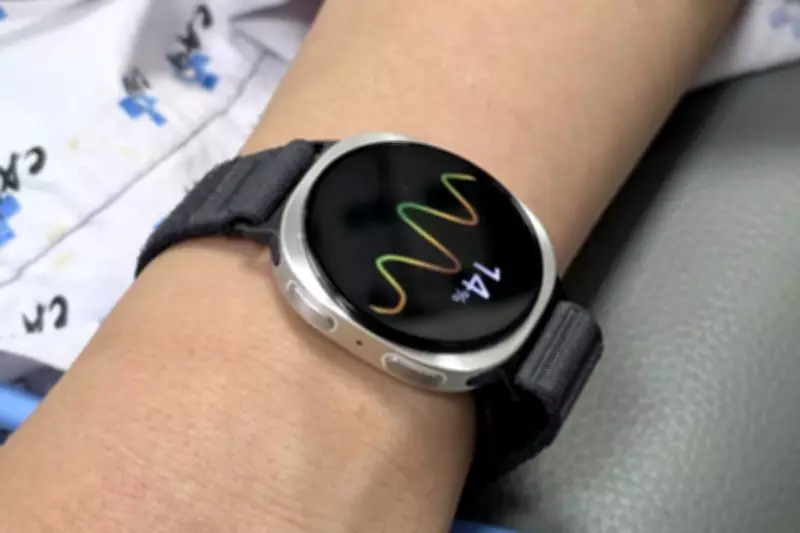
Researchers have developed the world’s first system to predict if someone is about to faint using data from their smartwatch, a breakthrough that could dramatically reduce injuries from falls.
Clinical Study Details
A clinical study involving 132 patients at Chung-Ang University Hospital in South Korea used a Samsung Galaxy Watch to create a real-time warning system. The system analyses biosignals from the wearer’s heart rate to predict impending fainting episodes, known medically as vasovagal syncope, up to five minutes in advance with more than 80 per cent accuracy.
“It’s not uncommon for syncope patients to suffer trauma from falls, and in extreme cases, some experience severe injuries such as fractures or cerebral haemorrhage,” said Professor Junhwan Cho from the Department of Cardiology at the hospital, who led the research. “An early warning from this technology could give patients advance time to get into a safe position or call for help, which would dramatically reduce the incidence of secondary injuries.”

How the Technology Works
The researchers utilised the photoplethysmography (PPG) sensor on the Samsung Galaxy Watch 6 to collect heart rate variability data from the patients. An artificial intelligence algorithm then analysed the data to determine whether a fainting episode was imminent. This marks the first time a commercial smartwatch has successfully provided an early prediction system for fainting.
“This study is an example of how wearable technology can help shift healthcare from being designed for ‘post-care’ to a model of ‘preventative care’,” said Jongmin Choi, who leads Samsung’s research and development in health. “We are committed to driving technological innovation that empowers our users to lead healthier everyday lives.”
Future Integration
The tech giant is now planning to integrate the health monitoring capabilities into its smartwatches and other wearable tech devices. The research findings were published in the latest issue of European Heart Journal – Digital Health in a study titled ‘Prediction of vasovagal syncope using artificial intelligence-enabled smartwatch photoplethysmography-derived heart rate variability’.






