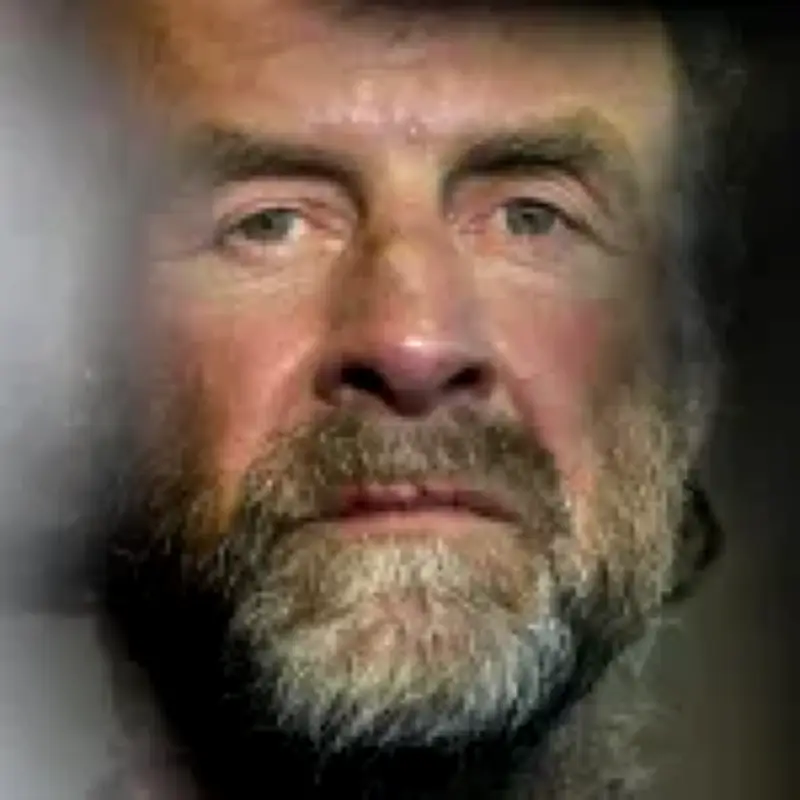
Explorer Sir Ranulph Fiennes was 'unlawfully deprived of his liberty' when he was placed in a series of care homes by his wife, a watchdog has found. The 82-year-old, described as the world's greatest living explorer, has not been seen in public for two years.
He is thought to have been moved through a series of care homes under a false name. Friends claimed his wife Louise Millington-Cotes had strict control over who could visit and instructed staff to disguise Sir Ranulph's appearance when out in public.
Concerns raised over welfare
It has emerged that one of the facilities where Sir Ranulph resided flagged concerns over his welfare with the relevant authorities and the police, The Daily Telegraph reports. The owner of the care home in Wales wrote to the Office of the Public Guardian (OPG) to alert them of the medical arrangements made by Ms Millington-Cotes, including concerns about a 'do not resuscitate' document she provided.
Friends of the explorer and author are considering legal action to challenge her guardianship, it has been reported.
Background and current whereabouts
Sir Ranulph married Ms Millington-Cotes following the death of his first wife, Virginia 'Ginny' Fiennes, in 2004 from cancer. They have a 20-year-old daughter, Elizabeth.
Sir Ranulph was reported to have spent time at a care home in London last year, where his wife asked visitors to sign non-disclosure agreements before being allowed to see him. He was later moved and spent time at care facilities in Wales and Cheshire. Only his wife and daughter are thought to know his exact location.
Legal safeguards and response
Mrs Millington-Cotes is said to have failed to ensure a deprivation of liberty safeguards (DoLS) order was in place despite being alerted to it by a care home owner. In a January email to the Care Inspectorate of Wales seeking advice, the owner wrote: 'Currently [Sir Ranulph] is being deprived of his liberty unlawfully as there is no authorised deprivation in place which reflects the current residence and restrictions in place.'
'[Sir Ranulph] is under continuous supervision and control, is not free to leave and is not able to consent to care, treatment and accommodation. As such, the provider is required to make an urgent and standard application under the deprivation of liberty safeguards as soon as practicable.'
The Telegraph reports that problems over Sir Ranulph's care occurred because of the lengths his wife went to to conceal his identity from staff, residents or visitors. The owner told the paper she said he was 'an ex-SAS man whose life might be in danger from extremists' and that staff at a previous care home had tried to kill him. She insisted on registering him under a false name and that he wear a hat, sunglasses and gloves to prevent anyone recognising his face or frostbite-damaged fingers when out for walks.
DoLS, which are part of the Mental Health Capacity Act 2005, are designed to protect the interests of people who lack mental capacity, such as those with dementia. A DoLS order must be made by two professionals not involved in an individual's care and the person in care must have a nominated representative.
Care Inspectorate Wales, the independent regulator of social care, said: 'Care Inspectorate Wales is committed to promoting the safety, wellbeing and rights of people who receive social care services across Wales. It would not be appropriate for us to comment on an individual's personal circumstances or care arrangements.'
Mrs Millington-Cotes is yet to comment.