A rapid new test used by the NHS can cut the time for an accurate brain tumour diagnosis from weeks to just hours. The test, which examines the genetic code of a tumour sample, can diagnose what type of tumour a patient has developed, allowing treatment to begin sooner and sparing patients weeks of uncertainty and stress.
Diagnosis time slashed from eight weeks to two hours
NHS England has said the genomic test, due to be piloted in specialist centres across the country, can reduce diagnosis time from eight weeks to just two hours. There are estimated to be between 100 and 150 different types of brain and central nervous system tumours, ranging from slow-growing to aggressive cancers that respond differently to treatment.
Patient impact and personal story
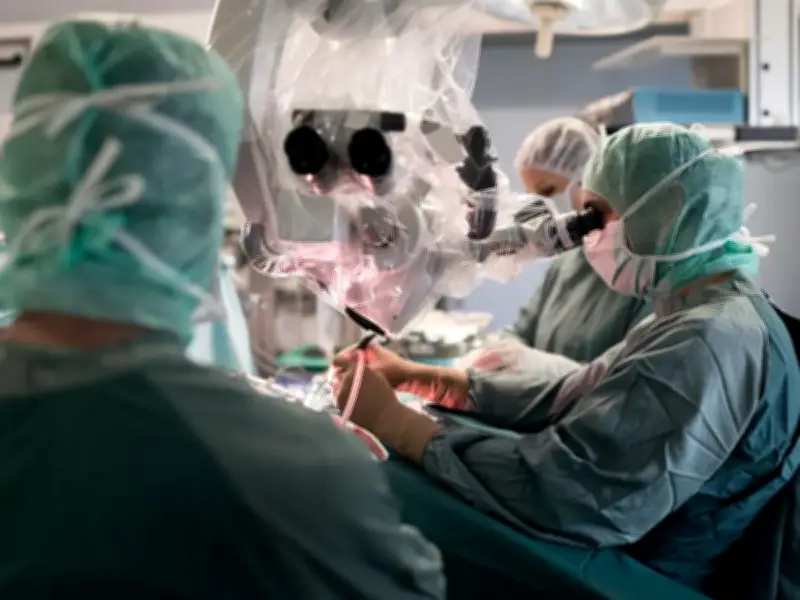
More than 12,000 people are diagnosed with a primary brain tumour each year in Britain, and brain tumours are the leading killer of children and adults under 40. Steve Palmer, 55, from Nottingham, is one of those who has benefited from the new test, which meant surgeons were able to get his result as they were operating on his tumour.
Speaking to The BBC, Palmer said: "Getting that quick diagnosis removed weeks of anxiety." He was diagnosed with a grade 4 glioblastoma following a fall at the gym. "It wasn't the result I wanted to hear but it means I can get on with the next phase of treatment and recovery, and get on with fighting whatever it is I've got to fight," he said.
NHS rollout and expert comment
NHS medical director Professor Frankie Swords said: "For people with suspected brain tumours, getting the right diagnosis quickly can feel like a race against time, while waiting weeks for answers can be agonising for them and their families. This remarkable rapid test has the potential to completely transform how we diagnose brain tumours, with results reaching patients in a matter of days rather than weeks."
"This is a huge leap forward for patients - a faster diagnosis means they can start the right treatment or access clinical trials sooner, while for some patients it could mean surgeons can make potentially life-changing decisions about their surgery while on the operating table."
The pilot scheme will include five specialist centres in Nottingham, Birmingham, London and Newcastle, and will then be extended to Bristol, Leeds, Oxford and Manchester. The pilot was previously under way in Nottingham and Birmingham.