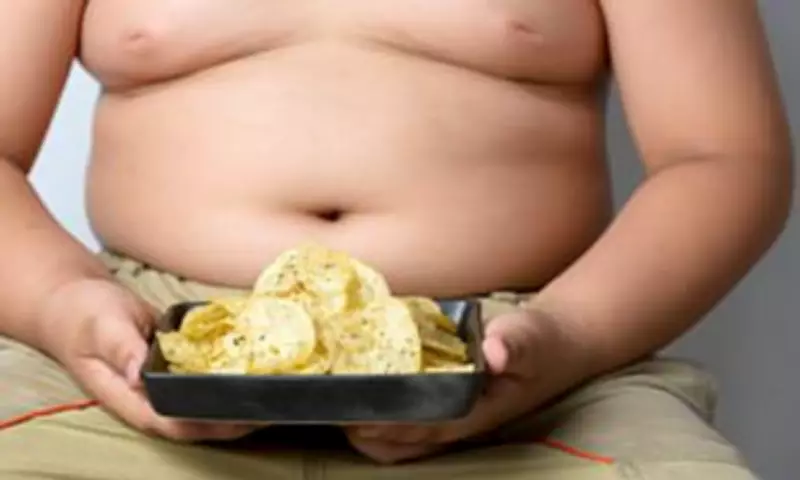
Britain is starting to 'turn the tide' on obesity, with weight loss jabs poised to reverse decades of rising rates, according to experts. A global analysis reveals that the obesity crisis is slowing down or tapering off, and may already be retreating in some countries.
Global Study Findings
Researchers led by Imperial College London examined over four decades of health data from 200 countries and territories, covering 1980 to 2024. They found that the slowdown in high-income nations first appeared in school-aged children, followed by adults. In the UK, the plateau for girls occurred around 2000, for boys slightly later but before 2005. For women and men, obesity rates are still rising but at a slower pace.
Impact of Weight Loss Jabs
The trend is attributed to increased health consciousness and public health measures targeting sugary foods and exercise. However, experts believe the upcoming NHS rollout of weight loss jabs could accelerate the decline. Trials show that the drug Mounjaro can help obese individuals lose 25 kg (4 stone) in a year, which would have a 'huge impact' nationally. An estimated 2.4 million people in the UK are taking weight loss drugs, but severe NHS rationing means most buy them privately. Health Secretary Wes Streeting has described these drugs as a 'real game-changer'.

Historical Context
Since 1980, UK obesity rates have skyrocketed: among boys, from 1.5% to 12.4%; among girls, from 1.6% to 10.1%; among men, from 5.7% to 26.7%; and among women, from 8.5% to 29.6%. However, growth has slowed in the past decade, with rates rising by about four percentage points in men and boys, and two to four points in women and girls since 2014. Professor Majid Ezzati, lead researcher from Imperial College London, noted that the UK remains in the top ten among high-income Western nations for obesity rates, but the trajectory 'has been completely flattened'.
Future Outlook
While the impact of injections like Wegovy and Mounjaro is not yet reflected in the data, experts believe they will play a crucial role. Professor Ezzati called for making these drugs affordable globally, stating they are 'a game-changer at a clinical level'. Dr. Louis Aronne of Weill Cornell Medicine added that weight loss drugs will have a bigger impact on public health than statins and are already 'turning the tide' where widely available. He expects similar effects in the UK as the NHS adopts them, predicting a 'huge impact on obesity within a year'.
Professor Jason Halford, former president of the European Association for the Study of Obesity, said weight loss jabs should 'accelerate' progress if accessible. However, the study also found rising obesity in many low- and middle-income countries, particularly in Africa, Asia, Latin America, and Pacific and Caribbean islands. The analysis included over 232 million people, with contributions from more than 1,900 researchers.
Dr. Marie Spreckley of the University of Cambridge cautioned that stabilising at high prevalence still represents a substantial burden, reinforcing the need for continued prevention and treatment strategies.