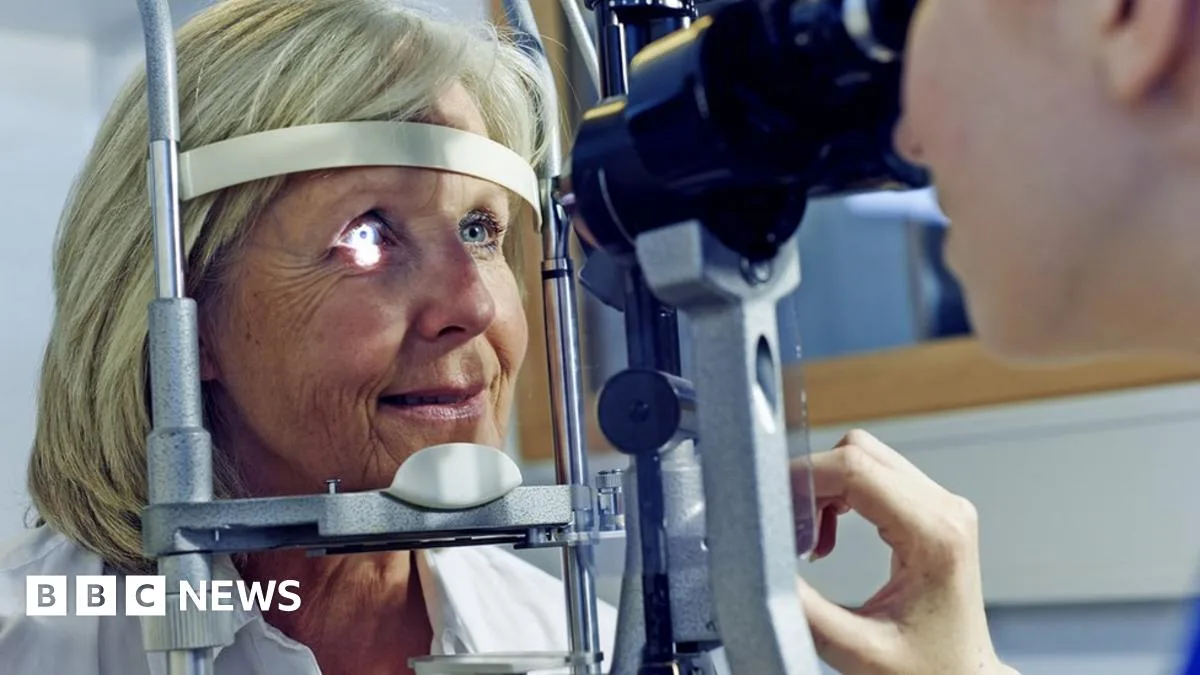
NHS Eye Care Failures: Long Wait Times Risking Vision, Study Warns
NHS Eye Care Failures Risking Vision, Study Warns

Nearly all hospital trusts in England are failing to meet NHS wait times for eye care, data suggests, with 'long wait times' leaving Brits avoiding visiting the doctor. Newly-released figures show 110 out of 111 NHS trusts that have specialist ophthalmology units in the UK failed the target waiting time of 92% of patients waiting less than 18 weeks for an eye-related appointment.

Data shows three in ten patients were waiting longer than 18 weeks to see an eye specialist at the end of February 2026. The wait times have been listed as one of the main reasons why Brits are putting off attending eye appointments or doctors, according to a study by Feel Good Contacts.

The study, which surveyed 2000 UK adults, revealed that cost concerns were the top reason cited for missing an eye test in the cost-of-living squeeze, followed by 'long appointment times'. The research revealed that more than half of Brits have put off seeing a doctor or optician for an eye problem in the past.

Wide Pickt banner — collaborative shopping lists app for Telegram, phone mockup with grocery list

With this, the most common reasons for avoiding medical help are: cost concerns, long appointment wait times, lack of time, thinking it would get better by itself and fear of seeing a doctor.

The data has shown that the Northern Care Alliance NHS Foundation Trust has the worst wait times for ophthalmology services, with only 43.8% patients being seen within 18 weeks, followed by Milton Keynes University Hospital NHS Foundation Trust at 47.2%, and St George's University Hospitals NHS Foundation Trust at 50.5%.

The only trust that passed the NHS standard was Walsall Healthcare NHS Trust, hitting 94% out of a 92% target. Behind Walsall was Warrington and Halton Teaching Hospitals - now known as Cheshire and Mersey NHS Foundation Trust - and Calderdale and Huddersfield NHS Foundation Trust, who both had 89.9% of patients being seen within 18 weeks, but still fell behind the target by 2.1%.

The study shows a number of over 40s are avoiding regular eye tests, the age at which most people start needing glasses and sight threatening conditions such as glaucoma and macular degeneration begins to rise. For the many patients seeking private treatment for eye diseases such as glaucoma, laser treatment can incur a cost of anywhere between £3,000 and £5,000.

Similarly, with cataracts, people can receive treatment on the NHS, however going private could cost patients anywhere from £1,995 up to £4,725 depending on whether the patient requires standard monofocal or multifocal lenses. Patients suffering from Age-related Macular Degeneration (AMD) often need a series of injections, starting at £650 per injection. With at least three injections required, plus a £300 consultation fee, the total cost can easily exceed £2,250.

Khuram Sarwar, dispensing optician at Feel Good Contacts, said: "33% of adults in the UK, equivalent to around 23 million, haven't had an eye test within the last two years, despite this being the essential time frame. It is concerning to see a growing number of people aged 40 to 60 neglecting to invest in their eye health. This is precisely the age when the risk of serious conditions, such as glaucoma and macular degeneration, begins to rise."

"Glaucoma, for instance, can develop without noticeable symptoms until vision loss is irreversible and significant. Comprehensive eye exams assess the optic nerve and measure eye pressure, allowing for early intervention that can preserve vision. Similarly, early signs of diabetic retinopathy or macular degeneration can be detected through detailed retinal imaging. By avoiding regular eye exams, many are unknowingly putting their long-term vision at risk. Early detection is vital, as many eye diseases develop without symptoms until permanent damage has occurred."

A spokesman for Milton Keynes NHS Foundation Trust said: "We recognise that our ophthalmology waiting time performance was not where it needed to be last year. MKUH has invested in a new clinic facility with significantly more capacity for diagnostic tests, outpatients and theatres. Our priority is to provide patients with quality, safe and timely care, and we will continue working hard to deliver further improvements."

Pickt after-article banner — collaborative shopping lists app with family illustration

Gemma Berriman, chief operating officer at Calderdale and Huddersfield NHS Foundation Trust, said: "Ophthalmology is a high-volume referral specialty. We are working hard to reduce waiting times and whilst it's pleasing to see this progress, we know there is more we can do."

Sally Kilgariff, chief operating officer for The Rotherham NHS Foundation Trust, said: "We are pleased to be recognised as one of the stronger performers nationally for ophthalmology waiting times reflecting the ongoing efforts of our teams to improve access for our patients."

Felicity Taylor-Drewe, chief operating officer at Oxford University Hospitals NHS Foundation Trust, said: "I fully understand that waiting a long time for treatment can be distressing for our patients and I am sorry for the concern this causes. We are taking a number of steps to reduce waiting times. This includes running additional outpatient clinics during the week and at weekends, reviewing pathways to cut delays, and maintaining a strong focus on our longest-waiting patients. We have also strengthened our core workforce to provide more consistent care, reducing our reliance on temporary staff and increasing the number of permanent medical staff. This is helping us improve efficiency and make better use of capacity. Overall, our waiting times are decreasing and, while we know there is more to do, these actions are helping us make progress. Patients are prioritised on clinical need, and we thank them for their continued patience and understanding as we work to reduce waiting times."

Daniel Moore, chief operating officer and deputy chief executive at North Cheshire and Mersey NHS Foundation Trust, formerly Warrington and Halton Teaching Hospitals after merging trusts, said: "We are proud to be one of the top-performing trusts in the country for ophthalmology waiting times, ranking third nationally. Last month we saw 90% of patients within 18 weeks, which is a fantastic achievement that ensures timely access for those who need sight-saving treatment. This is testament to the hard work of our ophthalmology team and we are committed to improving this even further to deliver the best outcomes for our patients."

Northern Care Alliance NHS Foundation Trust, St George's University Hospitals NHS Foundation Trust, University Hospitals Birmingham NHS Foundation Trust and Epsom and St Helier University Hospitals NHS Trust were also contacted for comment.




