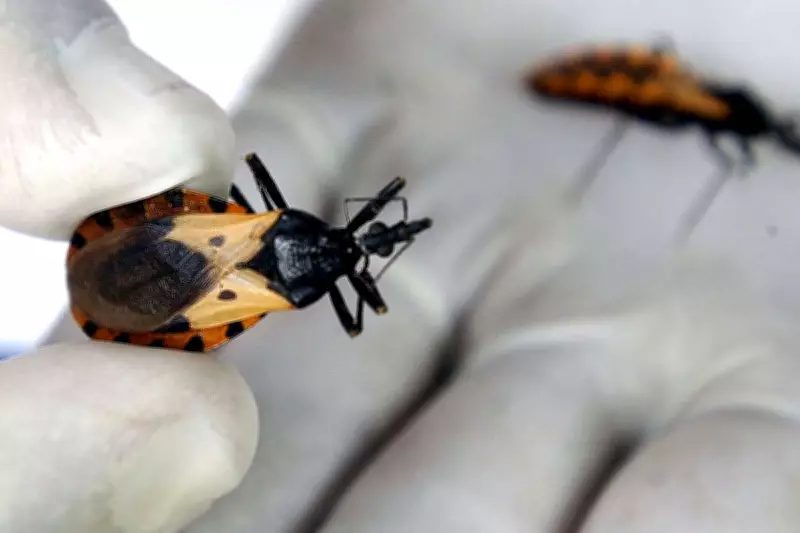
Texas Dog Owner's Heartbreak as 'Kissing Bug' Parasite Kills Pet
A heartbroken dog owner from Texas has revealed that her beloved pet was killed by a deadly disease spread by the so-called kissing bug, with experts warning that cases are increasing in both dogs and humans.
Becky Roche from Austin described how her Belgian Malinois named Ranger suddenly collapsed while playing fetch in October. The dog, who she said was usually "joined at the hip" with her, died in her arms on November 30 after being diagnosed with Chagas disease.
What is Chagas Disease?
Chagas disease is caused by parasites transmitted through the fecal matter of kissing bugs, insects from the Triatominae family that earned their nickname from feeding around victims' mouths. The parasites can damage heart muscle cells over time, leading to heart failure.

"I don't know if I'll ever get over the fact that I could not keep Ranger safe in my own backyard," Roche told local media, explaining she had taken precautions like avoiding dog parks and keeping her dog close to home.
Rising Cases and Limited Treatment
Roche's veterinarian and other experts have reported increasing Chagas cases in Austin, with the insects already widespread in San Antonio. According to PetMD, kissing bugs can be found in 29 U.S. states, with about 50 percent carrying the disease.
Dr. Ashley Saunders, a veterinary cardiologist at the Canine Chagas Collaborative, explained that dogs can be infected through bug bites or by eating the insects. "The kissing bug lives in gardens and woodland areas," she said, noting they're most active at night and have a smell attractive to dogs.
Symptoms and Transmission
General symptoms in dogs include:
- Lethargy and low energy
- Depression and loss of appetite
- Reluctance to exercise or play
More severe symptoms include difficulty breathing, swollen belly, and pale or blue gums. If parasites reach the spine or brain, dogs may show weakness and difficulty walking.
According to the World Health Organization, the parasites spread when bug fecal matter contaminates bite wounds. Most infected dogs show no symptoms, and medications commonly used against parasites are ineffective against Trypanosoma cruzi, the specific parasite causing Chagas disease.
Human Risk and Geographic Spread
The endemic area for Chagas disease stretches from the southern United States to Chile and Argentina. While humans can also be infected, antiparasitic treatment during the acute phase can cure the infection.
Roche attempted pest control for her garden but was told treatment would take weeks and might not be effective since the insects can fly from nearby woods. Her story highlights the growing threat of this parasite to both pets and people across multiple states.