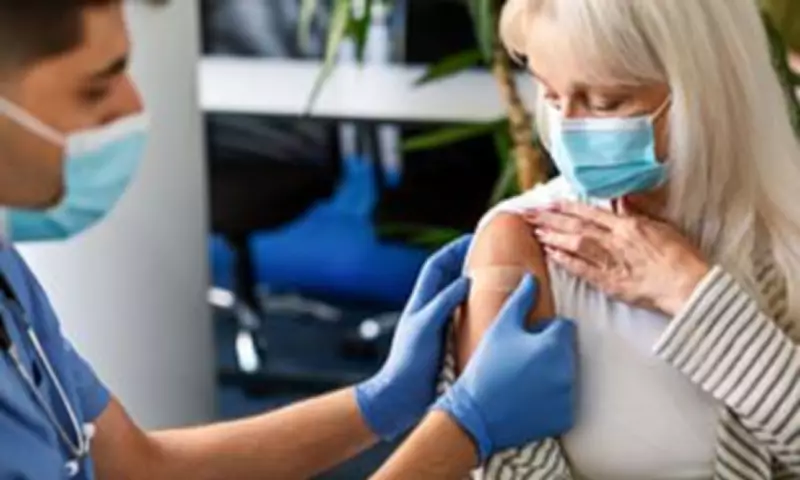
UK Covid Inquiry Praises Vaccine Success but Demands Urgent Reform for Harmed Individuals
The UK's Covid-19 vaccine programme has been hailed as a monumental success story by the official inquiry, yet the system supporting those tragically harmed by the jabs has been found severely lacking. Baroness Heather Hallett, chair of the UK Covid-19 Inquiry, described the unprecedented speed of vaccine development and deployment as an 'extraordinary feat' of scientific and logistical achievement. However, her report delivers a stark warning: the current Vaccine Damage Payment Scheme requires urgent and comprehensive reform as it fails to adequately support victims and bereaved families.
A System in Need of Overhaul
The 274-page report, marking the conclusion of the inquiry's fourth module, scrutinised how vaccines and therapeutics were developed, authorised, and delivered during the pandemic. While celebrating the programme's life-saving impact—estimated to have saved nearly 450,000 lives in England alone—it confronts the painful reality that a small minority suffered severe adverse effects. 'Tragically, a number of people suffered harm as a result of having a vaccine,' Baroness Hallett stated, emphasising that their suffering is of no less importance.
The inquiry stresses it is neither proportionate nor practicable to assess the safety of specific vaccines or causation in individual cases. Nevertheless, it acknowledges that in rare instances, the vaccines did have serious consequences. Representatives of vaccine-injured and bereaved participants gave moving testimony, often feeling silenced or ignored by the system.

Key Recommendations for Compensation and Trust
The report makes five core recommendations to better prepare the UK for future pandemics, with reform of the Vaccine Damage Payment Scheme at the forefront. Established in 1979, the scheme is designed to provide financial assistance, not full compensation, for severe disablement (60% or more) proven on balance of probabilities to be caused by a recommended vaccine.
Critically, the inquiry calls for:
- Increasing the maximum payout from £120,000 to at least £200,000.
- Implementing a fairer, tiered system where payments vary according to the level of harm suffered, rather than a uniform one-off sum.
- Addressing the 'brutal' application process, as described by lawyers, which has seen 17,519 applications related to Covid-19 vaccines by January 2025.
Furthermore, the report urges ministers to take decisive action to rebuild public trust in vaccines, which has been eroded by misinformation on social media and the rapid rollout. Vaccine uptake was notably lower in more deprived communities and some ethnic minority groups—disparities the inquiry deems predictable and imperative to address before the next health crisis.
Historical Context and Global Impact
The inquiry underscores that decades of global research and preparation were fundamental to the UK's swift response. This groundwork, which typically takes 10 to 20 years, enabled the development of the Oxford/AstraZeneca vaccine and the authorisation of two others within a year of the first UK Covid-19 case. By 2021, approximately 132 million vaccinations were administered across the four nations, the largest immunisation programme in British history. By June 2022, about 87% of the population over 12 had received two doses.
The report also highlights the vital role of therapeutics, noting that the drug dexamethasone was saving lives within hours of trial results in June 2020, estimated to have saved 22,000 lives in the UK and one million globally by March 2021.
Looking Ahead to Future Preparedness
Baroness Hallett's recommendations extend beyond compensation. They include establishing a pharmaceutical expert advisory panel, producing targeted vaccination strategies to reduce inequalities, improving monitoring of vaccine uptake, and granting regulatory bodies better access to medical records for safety surveillance. 'We cannot know when, but there will be another pandemic,' she warned, urging governments across the UK to implement these measures fully and promptly.

The Covid-19 Inquiry, opened in July 2022, is set to be one of the longest and most expensive public inquiries in history, having already cost £204 million by the end of last year. Its findings aim to ensure the nation is better equipped to protect its citizens while supporting those who bear the rare costs of public health measures.