Eight-Year-Old Boy 'Fading Every Day' After Childhood Dementia Diagnosis
Boy, 8, 'Fading Every Day' After Dementia Diagnosis

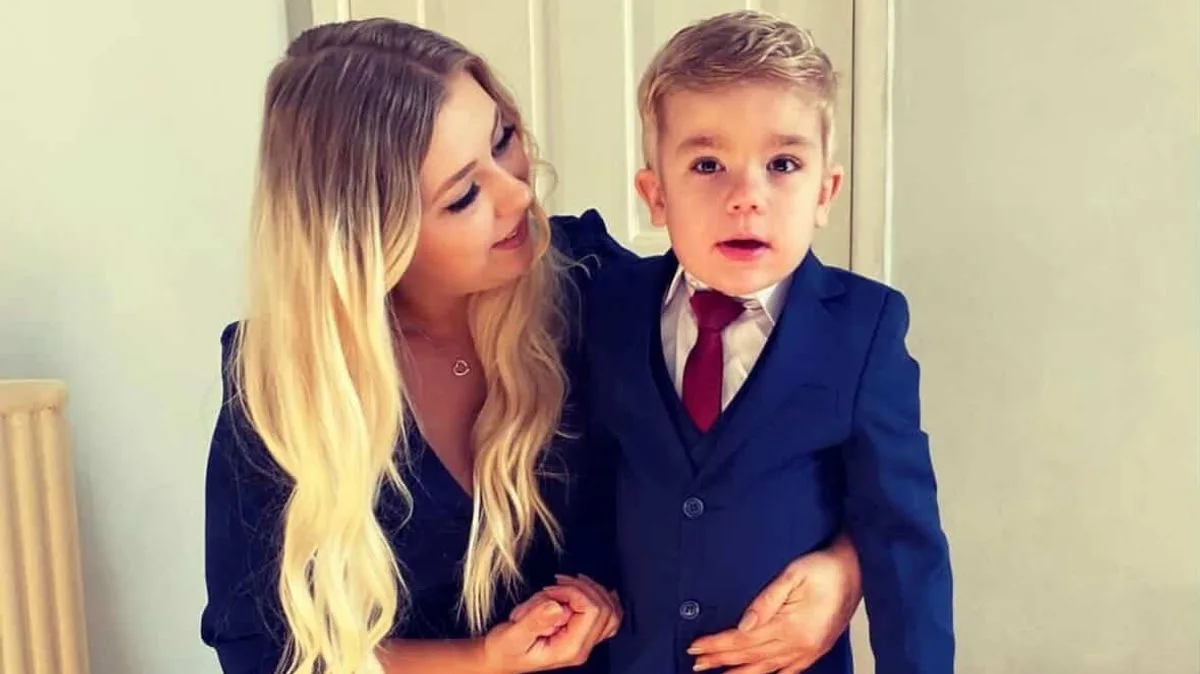
An eight-year-old boy from Gateshead is 'fading every day' after being diagnosed with a rare form of childhood dementia at just three years old. His mother, Georgia Nonas, has spoken of the heartbreaking moment doctors told her to take her son home and 'give him all her love'.

A Mother's Heartbreak

Georgia, 29, first noticed something was wrong when Cody Carroll was two years old. He began suffering from recurring ear infections and hearing loss, which led to him being fitted with hearing aids. However, Georgia grew increasingly concerned when she observed other troubling signs, including the fact that Cody, who had started to speak, suddenly became mute.

Although Cody was initially diagnosed with autism, his parents and medical professionals suspected there was something more at play. One doctor pointed out his 'coarse features'—such as thick eyebrows and a prominent forehead—which can be indicative of Sanfilippo syndrome. This rare disease, commonly referred to as childhood dementia, causes severe intellectual disability and typically leads to death in the teenage years.

Wide Pickt banner — collaborative shopping lists app for Telegram, phone mockup with grocery list

Reflecting on the diagnosis, Georgia said: 'It was the worst day of my life. I felt numb and was very much in denial. Myself, Cody's dad, Callin, and my mum sat in the room when they confirmed it, and it was silent. I didn't process it for a long time.'

She added: 'I remember sitting at a family BBQ a few days later and I couldn't hold a conversation. I was completely zoned out. It was like in the movies when all you hear is ringing in your ears and you can't hear the noise around you.'

The Reality of Sanfilippo Syndrome

Sanfilippo syndrome is a genetic disorder that prevents the body from properly breaking down certain sugars, leading to their accumulation in the brain and spinal cord. This build-up causes progressive damage, robbing children of their ability to communicate, eat, walk, and ultimately leads to brain damage. There is currently no cure.

Cody was diagnosed with type A, the most severe form, and has a life expectancy of mid-to-late teenage years. Since his diagnosis in July 2021, his condition has continued to deteriorate. He now relies on a wheelchair, can no longer swallow solid foods, suffers from muscular and joint pain, and has difficulty sleeping. He also experiences epilepsy, a common complication of the syndrome.

Georgia explained: 'Cody's body is missing an enzyme, which means his body has a lot of waste it can't process, and this builds up on his spinal cord and brain. It's progressive—over time, the damage caused by the waste takes away his ability to communicate, eat, and walk, and it causes brain damage. The doctors told me to take him home and give him all my love.'

Living with Anticipatory Grief

Georgia described the daily challenges of caring for Cody. 'Daily life can be hard for Cody—his sleep, communication, mobility, and even eating is affected. As a parent, it's incredibly difficult to see your child in pain. I'm constantly on edge, wondering when the next seizure is coming.'

She also spoke of the 'anticipatory grief' that comes with such a diagnosis. 'Anticipatory grief is a big part of being a parent to a child with Sanfilippo—you start grieving your child the day you get that diagnosis. It's a gut punch at random times in the day. I'm watching my child fade away every single day, and it's enough to break a person.'

Raising Awareness and Hope for the Future

Georgia has been sharing Cody's story on social media to raise awareness of Sanfilippo syndrome, a condition she had never heard of before her son's diagnosis. She hopes that by highlighting the early signs, other families might receive a faster diagnosis and access to supportive therapies.

'I feel it's important to share Cody's story because, before his diagnosis, we had never heard of it. When I went looking for a community online, I saw children who looked just like Cody—I couldn't believe it. I feel like if someone sees Cody's story and thinks, 'Oh, my child has those features', it can lead to an earlier diagnosis—which is so important so we can get them support and therapies to make their lives more manageable.'

Pickt after-article banner — collaborative shopping lists app with family illustration

Despite the grim prognosis, Georgia remains hopeful. She is waiting for the FDA to approve UX111, a gene therapy in America that could slow the progression of the disease. 'It isn't a 'cure' in the traditional sense, but it is a way to slow down the clock. Our biggest wish is to get him to that treatment so we can hold onto the boy he is today for as long as possible—to keep his smile, his laugh, and his spark from being taken away too soon.'

Georgia is currently in talks with the MPS team in Manchester to determine if Cody would be eligible for the treatment. 'Hope is all we can hang onto at the moment,' she said.

Making Memories

In the meantime, Georgia is determined to make the most of every moment with her son, whom she describes as 'the most loving little boy'. She has booked a trip to Disneyland Paris in July to create lasting memories. 'Cody is the light of my life. I want to travel and explore the world with him. We have to make the most of Cody's time, so I just want to make as many memories as possible!'




