

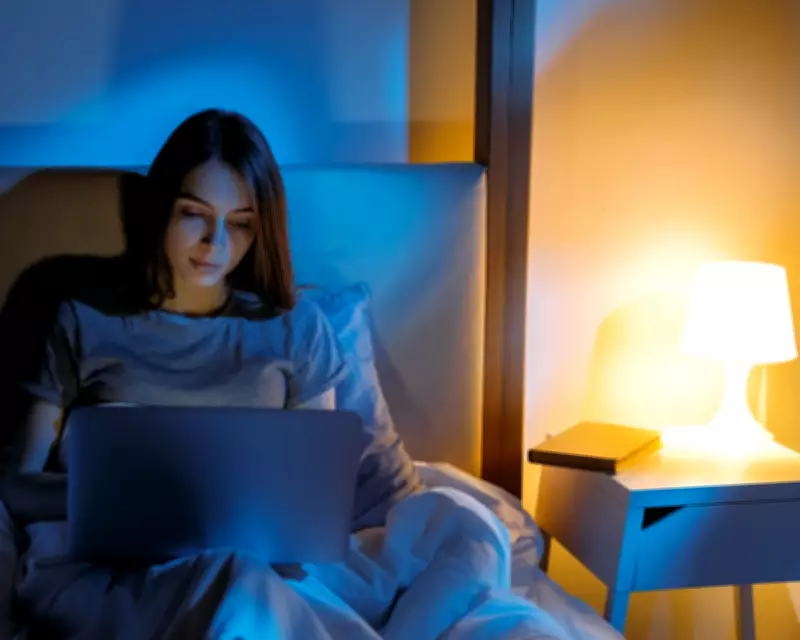
In a digital age where productivity and relaxation often clash, a new trend dubbed "bedtime stacking" has emerged, capturing the attention of social media enthusiasts. Coined by TikToker Linnéa Pham in January, this practice involves going to bed early, around 8:30 pm, but with a pile of tasks to complete before drifting off. While proponents extol its virtues as a cosy way to manage chores, sleep experts caution that it may lead to a sleep disaster.
What Is Bedtime Stacking?
Bedtime stacking is a trend popularised on platforms like TikTok, where individuals, predominantly young women, bring a stack of items to bed. This typically includes a laptop, iPad, e-reader, moisturiser, snacks, TV remote, planner, and gratitude journal. The idea is to work through these tasks in bed, creating a bed-based form of habit stacking or a productive version of bed rotting.
The Appeal and the Reality
On the surface, bedtime stacking appears cosy and efficient, blending self-care with productivity. It leans into maximalism and the "messy cool girl" trend, as noted by Newsweek, making it a stylish choice for those seeking to optimise their evenings. However, this practice contradicts established sleep science. Bringing screens to bed exposes users to blue light, which interferes with circadian rhythms and disrupts sleep hygiene. Eating in bed can attract pests like insects or rodents, compromising both sleep and cleanliness.

Expert Warnings and Health Implications
Sleep specialists emphasise that beds should be reserved primarily for sleep and intimacy. A regular bedtime is crucial for sound rest, and retiring early solely for stacking chores undermines this routine. The trend promotes an unrealistic goal of being simultaneously relaxed and busy, which is neither desirable nor plausible. Poor sleep hygiene can lead to fatigue, reduced cognitive function, and long-term health issues.
Social Media and Cultural Impact
Bedtime stacking has gained traction through viral social media posts, reflecting broader trends in work-life balance and digital culture. While it offers a sense of community and shared experience online, it also highlights the pressure to be constantly productive, even during leisure time. Critics argue that watching others engage in bedtime stacking on TikTok might be an even less fulfilling way to spend an evening.
In summary, while bedtime stacking may seem like a cosy solution to daily chores, it poses significant risks to sleep quality and overall wellbeing. Experts advise maintaining clear boundaries between rest and activity to ensure healthy sleep patterns.






