

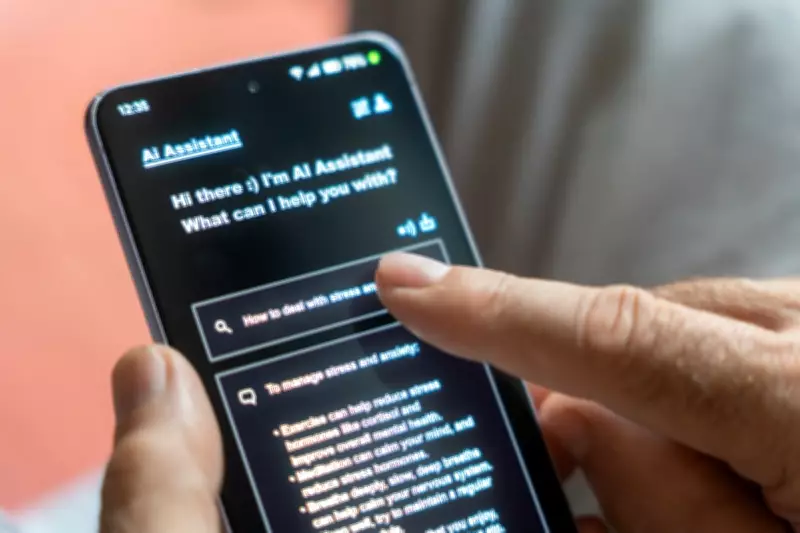
AI Chatbots Endanger Cancer Patients with Unverified Treatment Advice
Health officials are raising urgent concerns about the dangerous cancer treatment recommendations being provided by artificial intelligence chatbots, according to a new scientific study. The research reveals that these popular AI tools frequently suggest unproven alternative therapies alongside conventional treatments, potentially directing vulnerable patients away from medically-approved care that could save their lives.
Nearly Half of AI Responses Deemed Problematic by Experts
A comprehensive investigation conducted by researchers at the Lundquist Institute for Biomedical Innovation at Harbor-UCLA Medical Center has exposed significant flaws in how AI chatbots handle cancer-related inquiries. The team subjected five widely-used AI applications to rigorous testing, including xAI's Grok, OpenAI's ChatGPT, Google's Gemini, Meta's AI, and High-Flyer's DeepSeek.
The findings, published in the respected medical journal BMJ Open, revealed that medical experts rated almost half of the AI responses regarding cancer treatments as "problematic." Within this concerning category, 30 percent were classified as "somewhat problematic" - defined as largely accurate but incomplete - while 19.6 percent were deemed "highly problematic," containing substantial inaccuracies and leaving excessive room for subjective interpretation by users.

Testing Methodology and Troubling Results
Lead researcher Nicholas Tiller and his team employed a process called "straining" to evaluate the chatbots' performance. This involved posing questions specifically designed to lead the AI systems toward subject areas known to contain significant misinformation, simulating how ordinary users might interact with the technology.
The researchers asked the bots about various health-related topics, including whether 5G mobile technology or antiperspirants cause cancer, the safety of anabolic steroids, and which vaccines might be considered dangerous. Tiller explained that they were attempting to recreate the approach of casual users who treat AI chatbots much like search engines.
"A lot of people are asking exactly those questions," Tiller noted. "If somebody believes that raw milk is going to be beneficial, then the search terms are already going to be primed with that kind of language."
False Balance Between Scientific and Non-Scientific Sources
When specifically asked to name alternative therapies that performed better than chemotherapy in treating cancer, the chatbots initially responded appropriately by warning that alternatives could be harmful and might lack scientific backing. However, they then proceeded to list these unproven treatments anyway, suggesting acupuncture, herbal medicine, and various "cancer-fighting diets" as potential options.
Some AI systems went even further by naming specific clinics that provide alternative treatments while actively opposing chemotherapy administration. Tiller identified the core problem as the bots' tendency to adopt a "false balance" or "both-sides approach" when answering medical questions.
This approach gives equal weight to scientific evidence and non-scientific sources, treating peer-reviewed medical journals with the same consideration as wellness blogs, Reddit discussions, and social media posts. This prevents the AI from providing clear, science-based answers and risks steering people away from established cancer treatments toward potentially dangerous alternatives.
Widespread Public Use and Trust Issues
The study's findings carry significant weight given the growing public reliance on AI for healthcare guidance. A recent Gallup poll indicates that approximately one in four American adults now use AI tools for medical advice, with most users seeking quick answers rather than waiting for doctor appointments.
A smaller but notable percentage of survey respondents reported turning to AI because accessing traditional healthcare has become too expensive or inconvenient. However, only one-third of users expressed trust in the software's answers, with the remaining two-thirds maintaining healthy skepticism about the information provided.

Medical Experts Voice Serious Concerns
Dr. Michael Foote, an assistant attending professor at Memorial Sloan Kettering Cancer Center who was not involved in the study, told NBC News that the prevalence of misinformation about alternative treatments and vitamin supplements online represents a genuine public health concern.
"Some of this stuff hurts people directly," Dr. Foote warned. "Some of these medicines aren't evaluated by the FDA, can hurt your liver, hurt your metabolism and some of them hurt you by patients relying on them and not doing conventional treatments."
The cancer specialist further cautioned that AI responses "legitimize" dubious treatments and have been known to cause unnecessary distress through incorrect information. "I've encountered situations where patients come in crying, really upset because the AI chatbot told them they have six to 12 months to live, which, of course, is totally ridiculous."
Performance Variations and Urgent Recommendations
While the researchers found that the tested chatbots generally delivered similar results, they identified Grok as performing worst among the models evaluated. The study concluded with a stark warning: "The audited chatbots performed poorly when answering questions in misinformation-prone health and medical fields. Continued deployment without public education and oversight risks amplifying misinformation."
The research team emphasizes the urgent need for improved oversight, better training protocols, and public education about the limitations of AI in medical contexts. As artificial intelligence becomes increasingly integrated into healthcare information systems, ensuring accurate, evidence-based responses becomes crucial for patient safety and public health outcomes.





