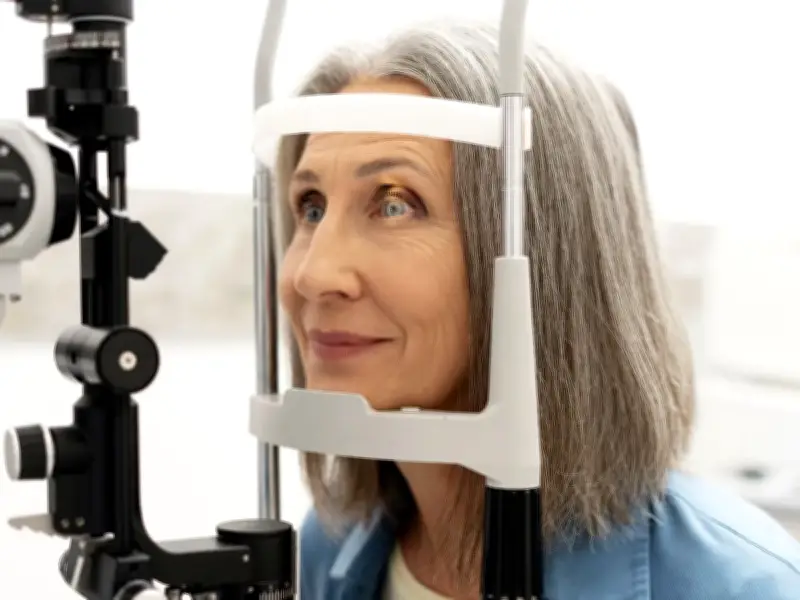
An optometrist has warned that clear vision does not guarantee healthy eyes, as some serious eye conditions can develop silently and cause permanent damage before symptoms become noticeable.
Clear vision can hide serious eye conditions
Purvi Thomson, head of optometry at eye clinic OCL Vision, said: “One of the most dangerous misconceptions about eye health is that clear vision means everything is healthy.
“You can read the smallest line on an eye chart and still have an eye condition beginning in the background. Some diseases develop slowly enough that the brain adapts to the changes, so the person may not notice what they are losing.”
New research from Eye Health UK has revealed that more than 14 million people are skipping their routine vision tests. An optometrist does not just check if you need glasses - they examine the overall health of your eyes and can catch damage occurring before you have realised.
Glaucoma: the silent thief of sight
One of the most important examples of this is glaucoma, because it develops gradually and can cause significant damage before you notice it.
Purvi explained: “Glaucoma is sometimes described as a silent thief of sight because early damage frequently causes no pain or obvious blurring.
“Sight already lost to glaucoma cannot usually be restored, but treatment can help protect the vision that remains. That is why detecting it before symptoms become noticeable is so valuable.”
Regular eye exams can also reveal subtle changes that could be associated with cataracts, retinal conditions and wider health issues.
When to book an eye test
Purvi said: “Do not wait until words become blurry or driving becomes difficult. If your last test was more than two years ago, arrange one even if your sight appears unchanged.
“People with diabetes, a close family history of glaucoma or other established risk factors should follow the testing schedule recommended by their healthcare professional.”
Symptoms that need an immediate eye appointment
Sudden symptoms that require an urgent eye appointment include loss of vision, a dark curtain or shadow across vision, a sudden increase in eye flashes or floaters, and painful red eyes.
Purvi added: “Most eye-test results will not reveal anything frightening. The purpose is to spot a problem early, when there is often more that can be done to protect somebody’s sight.”