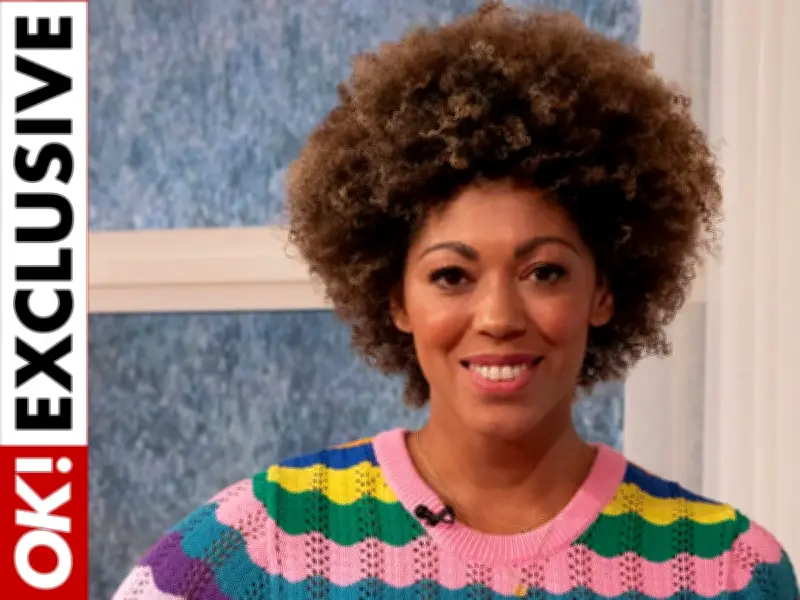
Dr Zoe Williams, the GP and This Morning presenter, has shared her top tips for getting a good night's sleep in an exclusive interview with The Mirror. The 46-year-old, who regularly offers health advice on the ITV show alongside Cat Deeley and Ben Shepard, has teamed up with Mind and Scottish Action for Mental Health (SAMH) ahead of World Mental Health Day.
Why sleep matters
Research found that Brits experience sleep difficulties almost three nights a week on average. Almost one in five have dealt with them for more than a decade, while two thirds (66%) have simply accepted poor sleep as part of life. Six in 10 say they are "just tired" when something else was affecting how they really felt.
Dr Zoe's four tips
Early mornings: "I always say that a good night's sleep actually starts first thing in the morning," Dr Zoe said. She recommends getting outside and getting natural daylight in your eyes to anchor your body clock, even if it's just standing outside with slippers on while the kettle boils.
Be mindful throughout the day: "Punctuate the day with moments where you let the stress response come down," she advised. This can include breathing techniques, stopping to eat food mindfully, and allowing the nervous system to return to baseline.
A boring bedroom: "Make your bedroom as much like a cave as possible: it should be dark, it should be cool, it should be quiet, and it should be boring!" Dr Zoe shared. She recalled a period of insomnia at university, noting that while you can choose to eat healthfully and exercise, "you can't tell your brain to switch off and go to sleep."
Come to your senses: The hour before sleep is "really, really key." Dr Zoe advises getting rid of screens and having something your brain recognises every day, using the senses. This could be a bath, a hot drink, a certain type of tea, a pillow spray, or reading.
Why sleep issues are more common now
Dr Zoe explained: "Perhaps it's more prevalent because our lives are busier than they've ever been before. We're cramming in a lot more, and therefore we don't necessarily have time throughout the day for our system to recover from the stress."
She also pointed to screens and social media keeping people constantly "on," unlike decades ago when TV had four channels and radio ended at a certain time. "Now, there is the opportunity to be constantly on," she noted, adding that sleep involves both the opportunity to sleep and how well we sleep within that window.
Dr Zoe stressed that a bad night's sleep now and again is normal, but people should take notice when it persists or changes from their normal pattern. She insisted there is no "magic number" for hours of sleep needed, as everyone is different and worrying about a target can create more stress.
Rosie Weatherley, Information Content Manager at Mind, said: "Feeling tired is common. Sometimes it can mean you had a one-off, rough nights sleep. But it can also be a symptom of worries, stress or difficulties with our mental health." She added that while not every bad night's sleep signals a mental health problem, asking how someone is feeling can open up the conversation, and support is available if poor sleep persists.
As part of Dreams' partnership with Mind and SAMH, Dr Zoe Williams, Dreams Sleep Expert, is highlighting the link between sleep and mental wellbeing. Further information is available through the Dreams x Mind Relaxation Hub and Mind and SAMH's services.