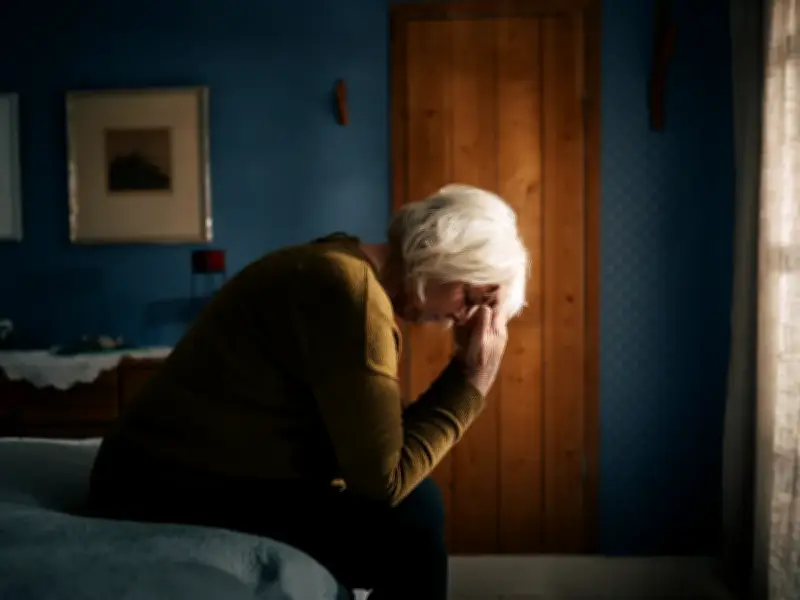
A doctor has explained how to distinguish between common symptoms that could be mistaken for dementia or depression. Memory loss, confusion, and personality changes can be distressing for families, but Dr Rupa Parmar, GP and Medical Director at Midland Health, says not every case of forgetfulness or brain fog indicates dementia.
In some cases, the underlying cause may be depression or pseudodementia, a treatable condition that can imitate dementia and provoke the same worry and fear. Dr Parmar said: “It’s easy to assume a loved one is developing dementia. But in some cases, these symptoms may be a sign of depression, rather than irreversible damage.”
“In older adults, depression can lead to symptoms that mimic dementia, such as memory problems, slowed thinking, lack of concentration, and mood changes. This is usually referred to as pseudodementia, a cognitive decline that looks like dementia but is driven by depression, rather than by brain degeneration. The good news is that there are important clues to help you tell them apart.”
Key differences between dementia and pseudodementia
One key difference lies in how quickly symptoms appear. Generally, dementia develops slowly over the years, with a gradual decline that becomes noticeable over time. Depression-related memory problems, on the other hand, usually appear much more suddenly, sometimes over weeks or months, and may seem to come and go.
With pseudodementia, symptoms are often worse in the morning, while dementia symptoms usually worsen in the evening or at night. This is known as sundowning, when confusion and agitation become more noticeable. In the early stages, families may not even realise anything is wrong, as the person may be able to hide or compensate for small lapses until they become too regular to ignore.
Self-awareness and motivation as clues
Those with depression usually worry and are more conscious about their forgetfulness, while people with dementia may not realise the extent of their memory loss or be completely unaware of mistakes. In some cases, they may become defensive when this is brought to their attention.
Depression can rob people of energy and interest. For example, people with depression may have difficulty concentrating, appear disinterested, or give up easily on tasks. But with dementia, people may try to respond, making confident guesses, but struggle to recall information. Dementia can also impair writing, speaking, and motor skills, which is not usually the case with depression.
Importance of a correct diagnosis
Dr Parmar said: “Misdiagnosing dementia when depression is the root problem can lead to lost opportunities for improvement. It’s also worth noting that depression in older adults may increase the risk of developing dementia in the future. Thankfully, when depression is treated effectively through therapy, lifestyle support, or medication, concentration and memory can return.”
“If you or a loved one is experiencing memory problems, confusion, or slowing, don’t just assume it’s dementia. It’s important to pause and consider whether mood, motivation, or depression may be involved.”
“It’s crucial to see a specialist as soon as possible for a full evaluation, including mood screening, memory tests, and possibly brain imaging or blood tests to rule out medical causes. After all, a correct diagnosis can change the path forward.”