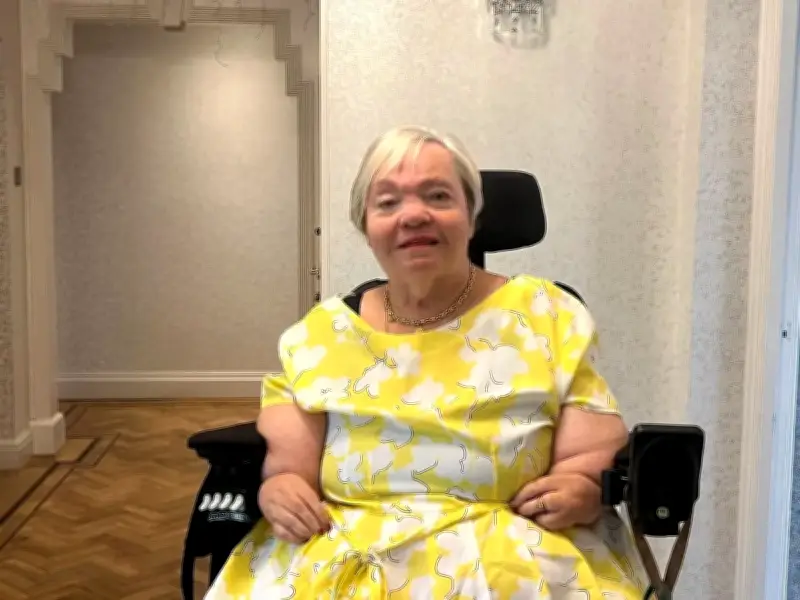
Teresa Smith BEM, who was given just two minutes to live when she was born on October 12, 1960, is calling for greater awareness of the effects of Thalidomide. Born at home in Bedford Road in Walton, she weighed just over two pounds and had exceptionally short limbs. A nurse and doctor were confused after her delivery, and she was placed in her dad's woollen coat pocket to keep warm before being rushed to Alder Hey Hospital, where she survived.
Oldest female survivor in Liverpool
Teresa, who now lives in Birkdale, believes she is the oldest female Thalidomide survivor in Liverpool. Thalidomide was created by the German company Grunenthal and rolled out in the 1950s as a medication for pregnant women suffering from morning sickness. Babies whose mothers took the drug were born with serious disabilities including shortened arms and legs, blindness, deafness, heart problems and brain damage, and in some instances died. Thalidomide stopped being used in 1961. While the exact number of affected families in Merseyside is unknown, it is believed to be in the hundreds.
Calls for education in schools and hospitals
Teresa is eager to ensure the impact of the drug is not lost to time. She told the ECHO: "I want this to be on the curriculum in schools. I want a museum where we can put the data, so the children can understand the effects. Also, for the wider community about inclusiveness, for family members that are disabled, they should be included in everything that they could possibly be." She added that accessibility is still very poor, although she acknowledged that Liverpool is striving to do more.

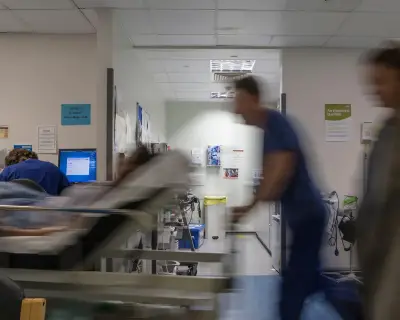
Teresa also believes greater understanding is needed among professionals. She said: "I've been having some medical issues myself, and some of the doctors and nurses don't even know what Thalidomide is. And I've been astounded. I think that needs to be taught even more in the hospitals as well. We have a lot of young people wanting to train as medics, people who are ambulance paramedics. It has got to be highlighted a little more."
Plane flight to raise funds for neonatal unit
Teresa is hoping to overcome another hurdle in the coming weeks to help vulnerable babies born in Merseyside. She said: "I'm flying a plane over the Women's Hospital with a pilot. My aim is to try and raise £5,000, and I think that's only a little puddle in the road, but it's something that I can contribute." She is raising money for the neonatal unit at Liverpool Women's Hospital to buy vein viewers, handheld medical devices that act as a magnifying glass to help staff locate the veins of premature babies accurately, lessening the pain caused by constant needles.
Looking ahead to her flight across Liverpool on October 3, Teresa said she is looking forward to it but also wondering if she is mad, hoping people will be supportive and give generously. She said the thought of the babies she will be helping will keep her going, noting that premature babies face extra difficulties and that the sooner they receive the best care, the better. She added that having two family members born prematurely brought home the impact of surgeries and hospital visits. She said: "When I take the journey, I think what'll be rushing through my mind is how I was classed as not going to be productive at all within society. They all said to my mother I was going to be brain-damaged, to put me in a home."