

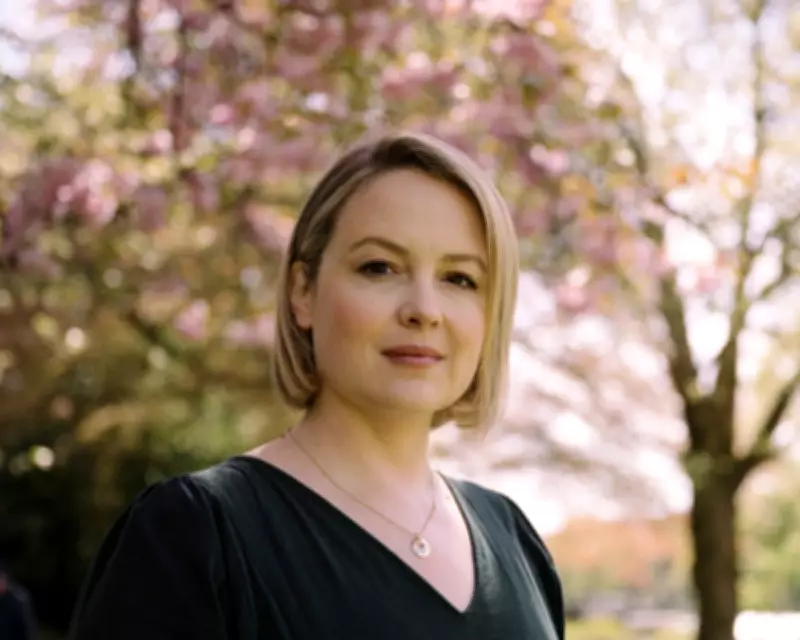
Welsh actor Kimberley Nixon, best known for roles in Fresh Meat and Angus, Thongs and Perfect Snogging, has written a deeply personal memoir about her experience with perinatal obsessive-compulsive disorder (OCD). The book, She Seems Fine to Me, is published on 7 May, and Nixon admits she is terrified of the reaction. 'Is it really brave or is it really stupid?' she asks. 'In my head, I've written a book about what a horrible person I was and put it out in the world.'
The memoir coincides with Maternal Mental Health Awareness Week and pulls no punches in describing the disturbing thoughts that plagued Nixon after the birth of her son during the Covid-19 pandemic. 'The nature of this – the content, the detail – is so taboo,' she says. 'You keep it hidden, and that made me worse and stopped me getting better for a long time.'
A Descent into Darkness
Nixon and her husband had been trying for a baby for four years before turning to IVF. The pregnancy was fraught with anxiety, heightened by lockdown restrictions that meant she attended scans alone and faced the possibility of giving birth without her partner. When her son was born, he was immediately taken to special care for suspected sepsis, while Nixon herself required a blood transfusion. The separation triggered a spiral of catastrophic thinking. 'As soon as they lifted him up and showed me, it was like somebody flipped a switch in my brain. The lights went out,' she recalls.

At home, Nixon became hypervigilant, plagued by intrusive thoughts about harm befalling her baby – from hypothermia to dog attacks to kidnapping. She also feared she herself might be a danger to him. 'You can't live like that,' she says. 'After four months, I started thinking: 'Oh my God, maybe there is a way out.'' She began planning her suicide.
Finding Help and Recovery
Nixon eventually sought exposure and response prevention (ERP) therapy, the gold standard for OCD, paying £100 per session out of her own savings. She criticizes the lack of support from perinatal mental health services, noting that phone consultations with different strangers made it nearly impossible to open up. 'It's really hard to talk about the darkest time of your life over the phone to a stranger,' she says.
Her husband's unwavering support was crucial. 'He believed in me where I didn't,' she says. 'Even in my OCD-addled brain, I knew I could trust him.' Another breakthrough came when she began posting about her struggles on Instagram. The overwhelming response from other mothers – some decades postpartum – made her feel less alone. 'Mental illness thrives in the dark,' she reflects. 'Opening up was the biggest fuck you to OCD I'd ever done.'
Life After OCD
Recovery has been gradual. It took 18 months before Nixon stopped wishing she was dead, and two years to begin trusting herself. Last June, she was also diagnosed with autism and ADHD, which helped her understand her thought processes. 'I can't ever go back to being the person I was,' she says, 'but I'm so much happier for it.' Her one-woman comedy show, Baby Brain, is now on tour, and she hopes her book will help others. 'If I can say it out loud and let it wash over me, it'll be the biggest step in my recovery yet.'
She Seems Fine to Me: Behind the Scenes of Birth, Babies and My Broken Brain is published on 7 May. For support, contact Samaritans on 116 123 (UK) or visit befrienders.org for international helplines.






