

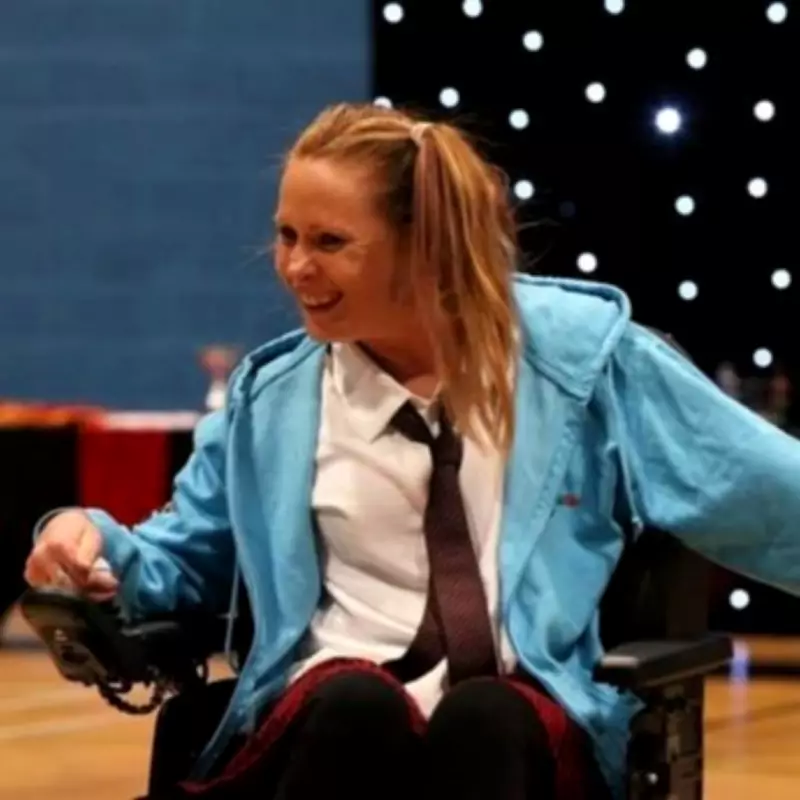
Disabled Mum Steph Sandy Confronts Societal Prejudice Through Dance and Resilience
Steph Sandy, a 42-year-old mother from Coventry, lives a life filled with love for her husband Richard, 38, and their children Libby, 11, and Bertie, 9. As avid Coventry City fans, family outings to football matches are cherished moments. However, these joyful occasions are often marred by the intrusive stares and attitudes of strangers, who question how a woman in a wheelchair can possibly be a mother.
Steph has cerebral palsy, a lifelong condition affecting muscle control, movement, and balance, requiring her to use a wheelchair. Despite this, she has forged an impressive path as one of the UK's first physically disabled individuals to graduate university with a degree in dance, leading to a career as a dancer and choreographer.
Medical Doubts and Parenting Challenges
Steph's determination to embrace motherhood faced early opposition, even from medical professionals. When she sought advice before pregnancy, a doctor responded not with medical guidance but with skepticism, asking, "How will you look after the baby?" This reaction highlighted widespread assumptions that disabled individuals are incapable of parenting.

Her pregnancies were difficult, involving hyperemesis gravidarum (severe sickness) and caesarean sections, yet she managed them capably. During her first pregnancy, hospital staff unexpectedly referred her to a Referrals and Assessment Unit at 35 weeks, implying concerns about her ability to care for her child, though the case was quickly dropped. Similar intrusions occurred post-birth, such as a carer pushing past Steph to snatch a crying Bertie, undermining her maternal role.
Artistic Expression and Advocacy
Refusing to be deterred, Steph now works with the disability charity Sense in their Advisory Arts Group, supported by Arts Council England, helping disabled people express themselves through art. She has choreographed a dance titled "Mother Like No Other", which vividly portrays her parenting experiences.
The performance includes scenes where wheelchair-using dancers attempt to care for a baby, only to be overtaken by non-disabled dancers who snatch the child away. Another segment captures the chaotic emotions of motherhood—sadness, anger, frustration, love, and nurturing—all colliding in a frantic display before a collapse, mirroring the realities of being a disabled mum.
Navigating Daily Life and Societal Barriers
Steph's cerebral palsy affects movement and coordination, but she has adapted ingeniously. With Libby, she used a special carrier for safe lifting and modified bottles with handles for feeding. By Bertie's arrival, she was a seasoned pro, though messy, as she recalls both being "covered in food" during early solid feedings.
Parenting hurdles extended beyond the home. Steph couldn't take her children out alone until they were seven or eight, and forming friendships with other parents was challenging until Bertie started school. At a primary school careers day, children initially ignored Steph, causing Libby to cry as she confronted the prejudice her mother faces.
Family Unity and Ongoing Advocacy
Steph and Richard have built a stable, loving home, tackling obstacles together. Their relationship itself draws unwarranted scrutiny, with people often surprised that Richard, who does not have a disability, is with her, questioning "why are they together?" Yet, after 15 years since meeting in a pub, their bond remains strong.
Even family activities like football matches reveal systemic oversights. When Bertie wanted to attend his first Coventry City game, arranging seating together was complicated, as children aren't typically expected to sit next to wheelchair users. Steph emphasizes that disabled parents are frequently overlooked in family-oriented settings, advocating for greater inclusion.
Through her dance and daily resilience, Steph Sandy continues to challenge misconceptions, proving that disability does not define capability in motherhood or life.






