

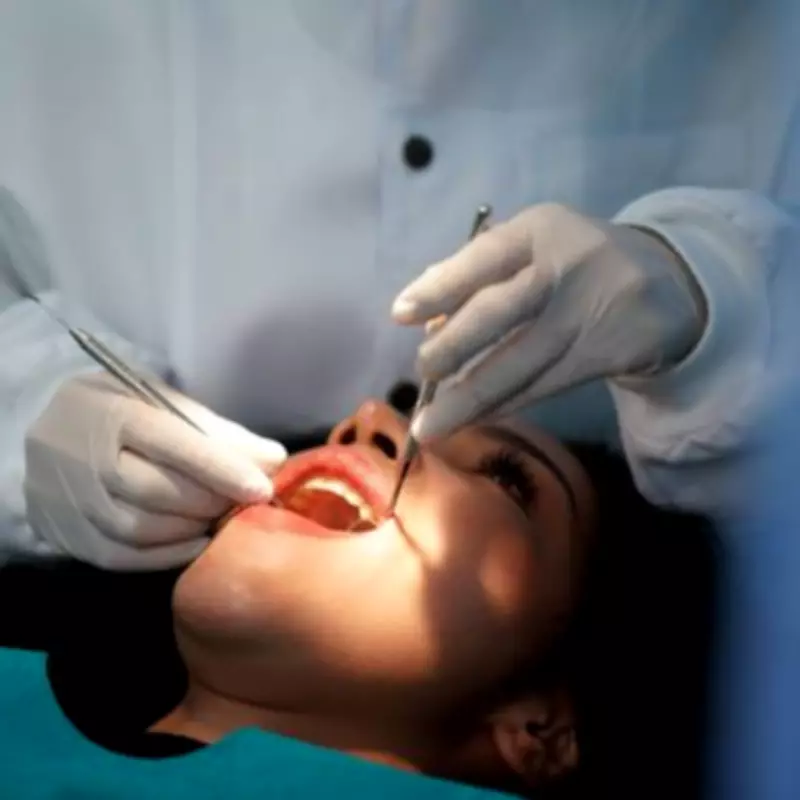
Major Dental Policy Shift to Improve Access for Thousands of Patients
In a significant update to dental care provision, thousands of patients across England are set to gain improved access to dentist appointments following a critical change in how "urgent" care is defined. This move comes as ministers have openly criticised what they describe as an "absurd situation" where individuals suffering from rotting teeth or painful infections have been unable to secure the vital treatment they desperately need.
The Scale of the Unmet Demand
Official figures reveal a staggering backlog, with approximately 900,000 urgent dental appointments remaining untaken by patients. This alarming statistic is directly attributed to stringent rules that previously limited the scope of treatment classified as urgent. Under the new regulations, which come into force immediately, the definition of "urgent" appointments will be substantially broadened to encompass all forms of dental care, thereby eliminating previous clinical restrictions.
Health Minister Stephen Kinnock emphasised the urgency of the situation in an exclusive statement: "Nobody should be pushed to such a state of desperation that they’re forced to pull their own teeth out, but there are far too many cases of this happening and it’s totally unacceptable. The idea that a patient in this terrible position may not qualify for an ‘urgent’ appointment is clearly nonsensical, so we’re acting to rectify this absurd situation."

Context of the Dental Crisis
The policy change arrives against a backdrop of a deepening crisis in NHS dentistry. Most dental practices in England are currently not accepting new NHS patients, leaving millions without access to routine or emergency dental services. This shortage has driven some individuals to resort to dangerous DIY dentistry methods at home, including attempts to extract their own teeth.
Since April, Integrated Care Boards (ICBs) have commissioned close to one million urgent appointments. However, a mere 100,000 of these have been utilised, highlighting the severe impact of the narrow clinical definition that previously governed urgent care eligibility. This definition was limited to cases involving severe dental pain, dental trauma, or issues with fractured, loose, or displaced fillings.
Future Measures and Sector Response
Looking ahead, from April, high street dentists will be mandated to offer a minimum number of urgent or unscheduled appointments. This requirement could extend to patients who are new to a practice, further enhancing access to NHS dental services. Recent data indicates some progress, with the NHS delivering an additional 1.8 million courses of dental treatment in the first seven months of 2025/26 compared to the period leading up to the general election.
Nevertheless, the British Dental Association (BDA) has cautioned that activity levels remain millions of treatments below pre-pandemic benchmarks. The association has called for sustained investment and comprehensive reform of dental contracts to address the systemic issues.
Shiv Pabary, chair of the BDA’s general dental practice committee, stated: "After years of savage cuts, ending this crisis will hinge on promised reform being backed by sustainable funding. The Government must build on this progress with urgency and ambition."
Echoing the need for preventive measures, Chief Dental Officer for England Jason Wong added: "Widening access to urgent appointments means more patients will be seen quickly and get the care they need before problems escalate. By working closely with government and the dental sector to bring in these changes, we are making prevention a priority and helping people maintain good oral health."






